

As consumers become more environmentally conscious, businesses are under increasing pressure to adopt eco-friendly product labeling and sustainable packaging materials. The shift toward greener practices is not just about compliance or image—it’s a response to real demand for transparency, ethical sourcing, and reduced environmental impact. This article explores the latest developments in sustainable labeling, material innovation, and the evolving expectations of both brands and buyers.
Companies across industries are rethinking how they design, print, and apply labels to minimize waste and communicate their environmental commitments. From compostable substrates to digital printing advancements, the landscape is rapidly changing. For a deeper dive into how packaging design is evolving, see the evolution of luxury packaging printing and how it intersects with sustainability.
Key Drivers Behind Sustainable Labeling Practices
The movement toward eco-friendly product labeling is shaped by a combination of regulatory changes, consumer preferences, and technological advancements. Governments worldwide are tightening rules on packaging waste, requiring clearer environmental claims and more responsible sourcing. At the same time, shoppers are scrutinizing labels for information about recyclability, compostability, and the use of renewable resources.
Brands that embrace these changes not only reduce their environmental footprint but also strengthen trust with their audience. Transparency—such as clear recycling instructions or third-party certifications—can set a product apart on crowded shelves.
Innovative Materials for Sustainable Labels
One of the most significant trends in eco-friendly product labeling is the adoption of alternative materials that minimize environmental impact. Traditional petroleum-based plastics are being replaced by options such as:
- Biodegradable films: Made from plant-based sources like corn starch or cellulose, these break down more easily after use.
- Recycled paper: Sourced from post-consumer waste, reducing the need for virgin pulp and lowering energy consumption.
- Compostable adhesives: Glues that decompose along with the label, ensuring the entire package remains eco-friendly.
- Water-based inks: These reduce the release of volatile organic compounds (VOCs) during printing, making the process safer and cleaner.
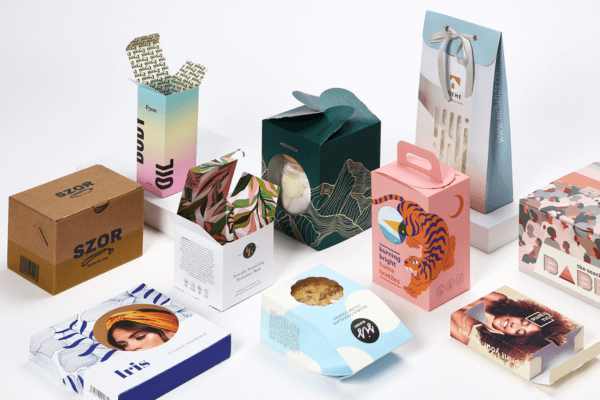
Design and Printing Techniques Supporting Green Initiatives
Advances in printing technology are making it easier for companies to adopt sustainable labeling. Digital printing, for example, allows for shorter runs and less waste, while also enabling customization and variable data. This flexibility supports on-demand production, which reduces overstock and obsolete inventory.
For those interested in the latest methods, innovative food packaging printing techniques offer insights into how new processes are supporting sustainability goals. Additionally, the use of eco-certifications and QR codes on labels can help consumers verify claims and access more information about a product’s environmental impact.
Regulatory and Certification Developments
Compliance is a critical aspect of sustainable labeling. Regulations such as the EU Packaging and Packaging Waste Directive and the US Federal Trade Commission’s Green Guides are pushing brands to substantiate environmental claims and avoid misleading language. Certifications like FSC (Forest Stewardship Council) or compostability marks provide third-party verification, giving consumers confidence in a product’s sustainability.
Brands must stay updated on evolving rules and standards to ensure their labels meet both legal and consumer expectations. This is especially important as more countries introduce extended producer responsibility (EPR) schemes, which hold manufacturers accountable for the entire lifecycle of their packaging.
Smart Labels and Digital Transparency
Another emerging area in trends in eco-friendly product labeling is the integration of smart technologies. Labels embedded with NFC chips or QR codes can connect consumers to digital content, such as recycling instructions, sourcing information, or carbon footprint data. This approach not only reduces the need for excessive text or graphics on the label itself but also supports a more interactive and informative experience.
For a broader look at how technology is shaping packaging, see the article on what is smart packaging technology and its applications in sustainability and consumer engagement.
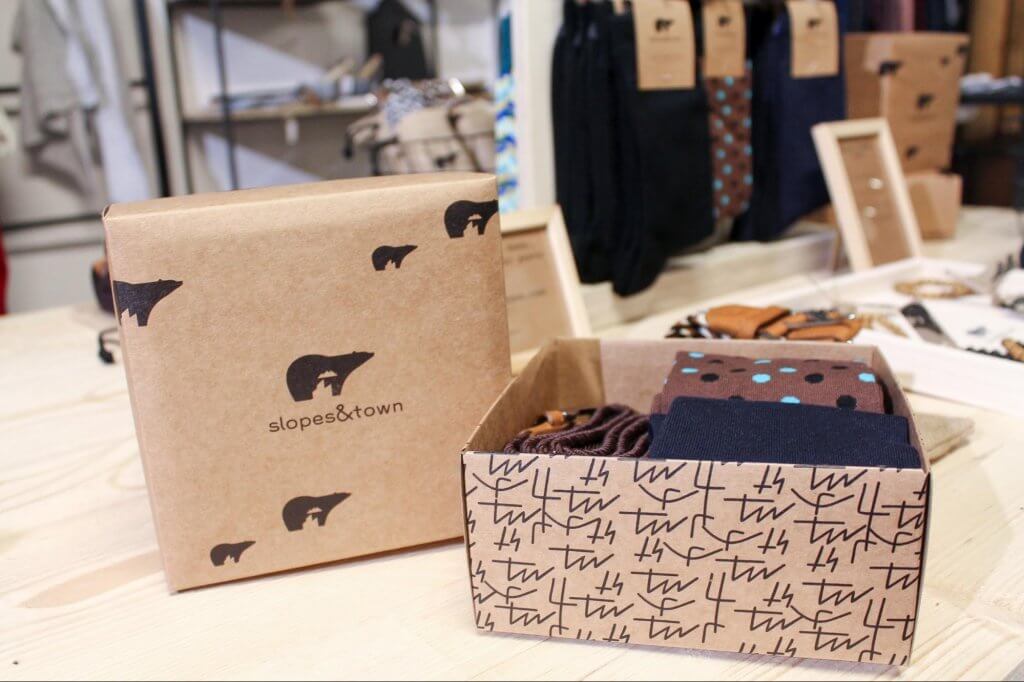
Consumer Expectations and Brand Communication
Today’s buyers are informed and selective, expecting brands to back up environmental claims with real action. Clear, honest labeling is essential. This includes not only the use of sustainable materials but also straightforward messaging about recyclability, compostability, and the brand’s broader environmental initiatives.
Companies that invest in transparent communication and responsible sourcing often see increased loyalty and a stronger market position. For a comprehensive approach to implementing these practices, the guide on how to sustainable packaging printing provides actionable steps for businesses at any stage of their sustainability journey.
Looking Ahead: The Future of Sustainable Labeling
The push for greener labeling is expected to accelerate as new technologies and materials become mainstream. Artificial intelligence, automation, and data-driven design will further optimize the production process, reducing waste and enabling even greater customization. For a forward-looking perspective, explore the future of printing, AI, and eco-friendly production and how these factors are shaping industry standards.
As brands and consumers continue to prioritize sustainability, the adoption of innovative labeling solutions will remain a key differentiator. Staying informed about the latest developments and best practices is essential for any business looking to lead in this space.
Frequently Asked Questions
What materials are most commonly used in sustainable product labels?
The most popular materials include recycled paper, biodegradable films made from plant sources, and compostable adhesives. Many companies are also switching to water-based inks to minimize environmental impact.
How can consumers verify the environmental claims on a product label?
Look for third-party certifications such as FSC, compostability marks, or recycling symbols. QR codes or smart labels can also provide direct access to sourcing and sustainability information.
What are the main benefits for brands adopting eco-friendly labeling?
Brands benefit from increased consumer trust, compliance with regulations, and a reduced environmental footprint. Sustainable labeling can also differentiate products in a competitive market and support broader corporate responsibility goals.
Are there new printing technologies supporting sustainable labeling?
Yes, digital printing and on-demand production are reducing waste and enabling more efficient use of materials. Advances in ink and adhesive formulations are also making it easier to produce labels that are both functional and environmentally friendly.
Where can I learn more about packaging and labeling trends?
For additional insights, see resources on packaging printing trends 2026 and related innovations in the industry.