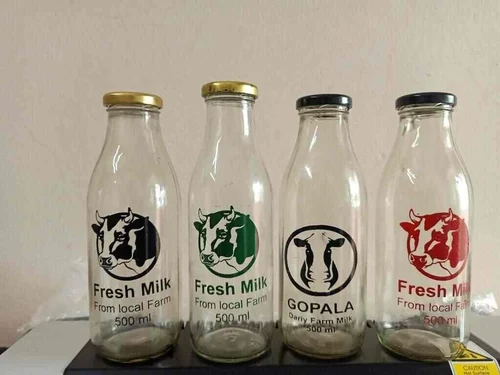

The world of glass decoration and manufacturing is rapidly evolving, with smart glass printing technology leading the way in delivering innovative, high-quality, and customizable solutions. From intricate branding on bottles to advanced architectural applications, these modern techniques are transforming how glass is used and perceived across industries. As businesses and designers seek greater flexibility and precision, understanding the latest advancements in this field is essential for staying ahead.
Whether you’re a packaging specialist, product designer, or simply interested in the future of glass, this article explores the core methods, benefits, and applications of next-generation glass printing. For those looking to avoid pitfalls, it’s worth reviewing common mistakes in glass printing to ensure the best results from your projects.
Understanding Modern Glass Printing Methods
Today’s smart glass printing technology encompasses a range of advanced methods that go far beyond traditional screen printing. The most notable techniques include:
- UV Digital Printing: Utilizes ultraviolet-curable inks and high-resolution printers to deliver vibrant, durable images directly onto glass surfaces. This method is ideal for short runs, personalization, and complex designs.
- Screen Printing: A classic approach, still widely used for high-volume production. It involves pushing ink through a mesh stencil onto the glass, suitable for bold graphics and solid colors.
- Etching and Sandblasting: These processes create frosted or textured effects by removing the top layer of glass, often used for decorative or privacy applications.
- Digital Ceramic Printing: Involves fusing ceramic inks into the glass at high temperatures, resulting in permanent, fade-resistant imagery ideal for architectural uses.
Each method offers unique advantages in terms of durability, color accuracy, and design flexibility. The choice depends on the intended application, production volume, and desired finish.
Key Features of Next-Generation Glass Printing
Recent developments in smart glass printing have introduced several features that set them apart from older techniques:
- High Resolution & Detail: Digital processes can reproduce fine lines, gradients, and photographic images with exceptional clarity.
- Customization: Variable data printing allows each piece of glass to be uniquely personalized, supporting limited editions and bespoke branding.
- Eco-Friendly Inks: Many systems now use low-VOC, water-based, or UV-curable inks, reducing environmental impact.
- Enhanced Adhesion: Advanced primers and ink formulations ensure long-lasting prints that resist scratching, washing, and fading.
- Versatility: Newer printers can handle curved, irregular, or textured surfaces, opening up creative possibilities for packaging and décor.
For a deeper dive into the technical aspects, resources like UV digital printing on glass provide detailed insights into the machinery and processes behind these innovations.
Applications Across Industries
The impact of advanced glass printing is visible in a wide range of sectors:
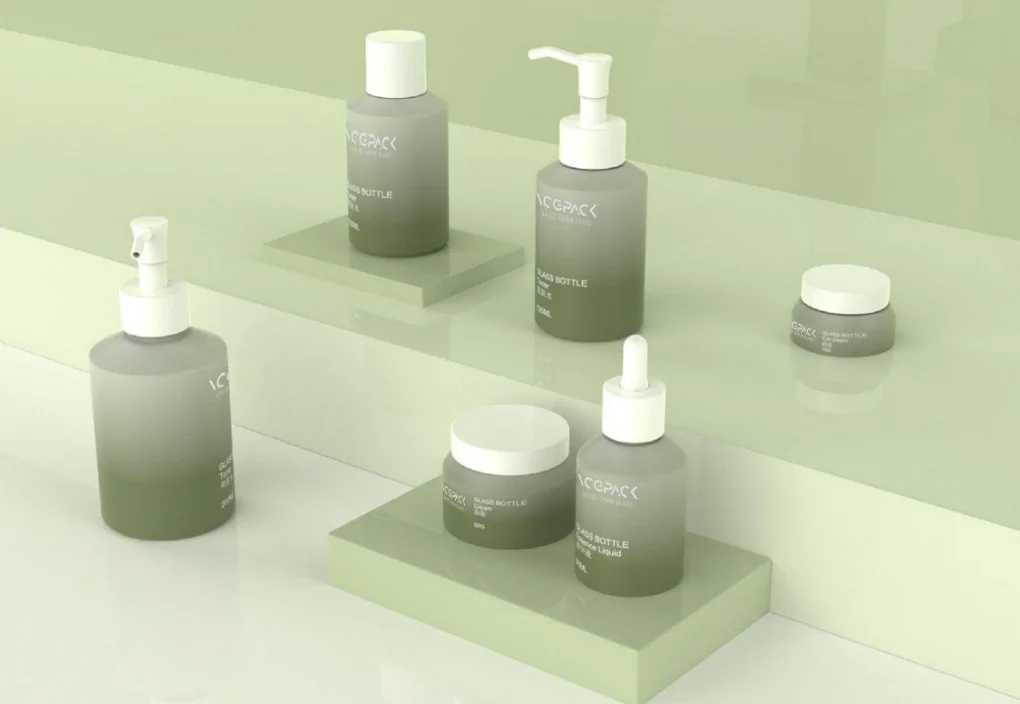
- Packaging: Cosmetic, beverage, and food brands use printed glass bottles and jars for distinctive shelf appeal and anti-counterfeiting measures.
- Interior Design: Custom-printed panels, partitions, and backsplashes bring unique artistry to residential and commercial spaces. Explore more in high end interior glass applications for luxury homes.
- Electronics: Precision coatings and graphics are essential for touchscreens, smart devices, and display panels. Learn about smart device glass printing for more on this topic.
- Branding & Displays: Retailers and event organizers leverage printed glass for signage, promotional displays, and interactive installations. See how brands benefit from branding opportunities with printed glass.
- Art & Architecture: Artists and architects incorporate printed glass into facades, windows, and public art, merging function with visual impact. Discover creative uses of printed glass for unique interiors.
Benefits of Adopting Smart Glass Printing Solutions
Switching to modern glass printing offers a range of advantages for manufacturers, designers, and end-users:
- Speed & Efficiency: Digital workflows reduce setup time, making it cost-effective for both small batches and large runs.
- Design Freedom: No need for physical screens or plates, enabling rapid prototyping and frequent design changes.
- Durability: Advanced inks and curing methods ensure prints withstand handling, cleaning, and exposure to sunlight.
- Brand Differentiation: Unique graphics and personalization help products stand out in competitive markets.
- Sustainability: Reduced waste and eco-friendly materials contribute to greener production practices.
These benefits are especially valuable in industries where product appearance and longevity are critical to brand perception and customer satisfaction.

Challenges and Considerations
While the advantages are significant, there are also challenges to keep in mind when implementing advanced glass printing:
- Surface Preparation: Glass must be meticulously cleaned and sometimes pre-treated to ensure ink adhesion.
- Equipment Investment: High-end digital printers and curing systems can require substantial upfront costs.
- Design Limitations: Some techniques may have restrictions on color vibrancy or coverage, especially on dark or tinted glass.
- Technical Expertise: Operators need training to manage digital workflows, color management, and maintenance.
By understanding these factors, companies can make informed decisions and maximize the value of their investment in smart glass printing.
Future Trends in Glass Printing Innovation
The future of glass decoration is bright, with several trends shaping the next wave of solutions:
- Integration with Smart Devices: Printed glass is increasingly used for touch panels, sensors, and interactive displays.
- Functional Inks: New formulations offer antimicrobial, conductive, or solar-reflective properties.
- On-Demand Customization: Advances in digital printing allow for real-time personalization at the point of sale or manufacture.
- Augmented Reality (AR) Applications: Printed codes and graphics can trigger AR experiences, enhancing product engagement.
As these trends continue, businesses that adopt and adapt to new technologies will be best positioned to capture emerging opportunities.
Frequently Asked Questions
What is the difference between UV digital printing and traditional screen printing on glass?
UV digital printing uses specialized printers and UV-curable inks to create high-resolution images directly on glass, allowing for intricate designs and rapid customization. Screen printing, on the other hand, relies on physical stencils and is better suited for large runs of simple graphics. Digital methods offer more flexibility, while screen printing remains cost-effective for certain high-volume applications.
How durable are prints created with smart glass printing technology?
Modern glass printing solutions use advanced inks and curing processes that result in highly durable, scratch-resistant, and fade-proof prints. When properly applied, these prints can withstand washing, handling, and exposure to sunlight, making them suitable for both indoor and outdoor use.
Can smart glass printing be used on curved or irregular surfaces?
Yes, many of today’s digital and screen printing systems are designed to handle curved, textured, or non-flat glass surfaces. Specialized fixtures and adaptable print heads enable precise application on bottles, jars, and even complex architectural elements.