
Museum display glass printing has transformed the way institutions present artifacts, artwork, and historical objects. By integrating advanced printing techniques directly onto glass surfaces, museums can create visually striking displays that both protect and enhance the viewing experience. This guide explores how printed glass elevates exhibit presentation, the available technologies, and best practices for curators and designers.
As museums strive to engage visitors and preserve valuable collections, the demand for innovative display solutions continues to grow. Printed glass offers a unique combination of durability, customization, and aesthetic appeal. Whether highlighting ancient artifacts or modern art, the right glass printing approach can make a significant impact.
For those interested in exploring related applications, consider reading about high end interior glass applications to discover how similar techniques are used in luxury environments.
Understanding Glass Printing for Museum Displays
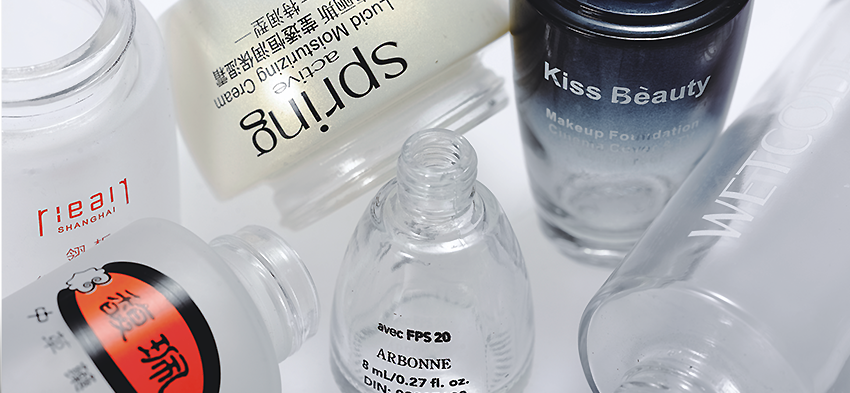
Printed glass is created by applying specialized inks, films, or etching techniques onto glass panels. In the context of museums, this process enables the integration of interpretive graphics, branding, and decorative elements directly onto protective enclosures or display cases. The result is a seamless blend of function and visual storytelling.
There are several methods commonly used for printing on glass in museum environments:
- UV digital printing – Provides high-resolution images and vibrant colors, suitable for both text and graphics.
- Screen printing – Ideal for bold designs, patterns, and opaque effects.
- Etching and sandblasting – Used for subtle, frosted finishes and tactile details.
- Ceramic frit printing – Fuses pigments into the glass during tempering, ensuring long-lasting results.
Each technique offers distinct advantages depending on the display’s purpose, lighting conditions, and desired level of interactivity.
Benefits of Printed Glass in Exhibit Presentation
Integrating museum display glass printing into exhibit design provides a range of benefits:
- Enhanced protection – Printed graphics can be combined with UV-blocking or anti-reflective coatings, safeguarding artifacts from light damage and fingerprints.
- Custom branding – Museums can incorporate logos, exhibit titles, or donor recognition directly onto the glass, reinforcing institutional identity.
- Interpretive storytelling – Text, images, and diagrams printed on glass allow for layered narratives without obstructing the view of the objects inside.
- Flexible aesthetics – From subtle frosted patterns to bold, full-color imagery, printed glass adapts to any curatorial vision.
- Easy maintenance – Durable inks and coatings resist scratching and fading, making cleaning and upkeep straightforward.
These advantages make glass printing a preferred choice for both permanent and temporary exhibitions.
Popular Applications in Museums and Galleries
The versatility of printed glass allows for a wide range of uses within cultural institutions. Some common applications include:
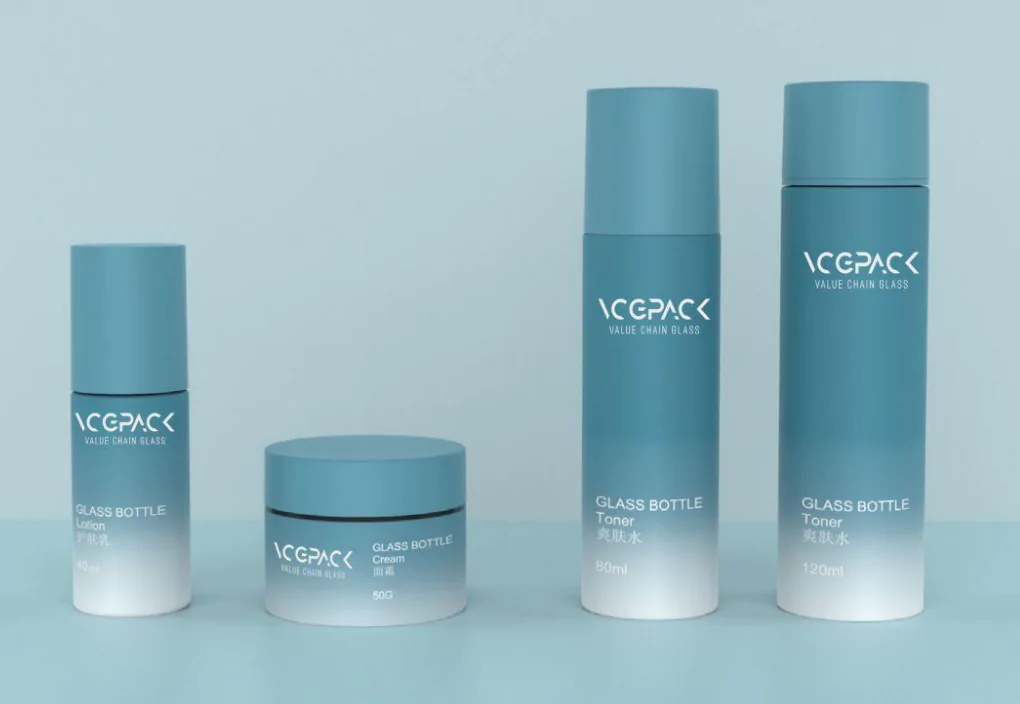
- Display case panels – Graphics, interpretive text, and branding elements can be printed onto the glass of display cases, providing context without distracting from the objects.
- Wayfinding and signage – Directional information and exhibit labels printed on glass help visitors navigate the space.
- Interactive touchscreens – Printed overlays on glass can be combined with digital displays for interactive learning experiences.
- Architectural features – Walls, partitions, and balustrades featuring printed designs add visual interest to museum interiors.
For inspiration on how printed glass can be used creatively, see creative uses of printed glass for unique interiors.
Choosing the Right Printing Method for Your Exhibit
Selecting the appropriate printing technique depends on several factors:
- Type of display – Is the glass part of a case, a wall, or a freestanding element?
- Level of detail – UV digital printing is best for high-resolution images, while screen printing excels with bold, simple graphics.
- Durability requirements – For long-term installations, ceramic frit or etched glass may be preferable due to their resistance to wear.
- Budget and timeline – Some methods require specialized equipment or longer lead times.
Consulting with experienced glass printers and fabricators can help ensure the best results for your specific project. For those new to the process, learning about common mistakes in glass printing can help avoid costly errors.
Best Practices for Museum Display Glass Printing
To maximize the impact and longevity of printed glass in exhibits, consider the following best practices:
- Collaborate early – Involve glass printing specialists during the design phase to ensure feasibility and optimal results.
- Test samples – Review printed glass samples under exhibit lighting to verify color accuracy and legibility.
- Prioritize conservation – Use low-emission inks and coatings to minimize off-gassing and protect sensitive artifacts.
- Plan for maintenance – Specify scratch-resistant finishes and provide staff with appropriate cleaning guidelines.
- Document specifications – Maintain detailed records of materials and processes for future reference and potential repairs.
For additional insights into branding and display opportunities, explore branding opportunities with printed glass in public-facing environments.
Emerging Trends and Innovations
The field of museum display glass printing continues to evolve. Recent innovations include:
- Smart glass integration – Incorporating switchable or interactive glass panels for dynamic displays.
- Augmented reality overlays – Printed markers on glass that trigger digital content via mobile devices.
- Sustainable materials – Use of eco-friendly inks and recycled glass substrates.
For those interested in the intersection of technology and glass, the article on smart device glass printing provides a look at precision coatings for digital displays.
Additionally, for a deeper understanding of the technical process, the guide to glass printing techniques offers a comprehensive overview of available methods and their applications.
Frequently Asked Questions
What types of glass can be used for museum display printing?
Most commonly, tempered or laminated glass is used due to its strength and safety features. These types can be printed using UV, ceramic, or screen printing methods, depending on the exhibit’s requirements.
How durable are printed graphics on museum glass?
When produced with high-quality inks and proper curing or firing processes, printed graphics are highly durable, resistant to fading, and can withstand regular cleaning. Ceramic frit printing, in particular, offers exceptional longevity.
Can printed glass be updated or changed for new exhibits?
Some printing methods, such as removable films or overlays, allow for updates between exhibitions. Permanent techniques like ceramic frit or etching are best suited for long-term installations.
Conclusion
Museum display glass printing provides museums and galleries with a powerful tool to enhance exhibits, protect collections, and engage visitors. By leveraging the right techniques and collaborating with experienced professionals, institutions can create displays that are both functional and visually compelling. As technology advances, the possibilities for creative and interactive glass applications in the cultural sector will continue to expand.