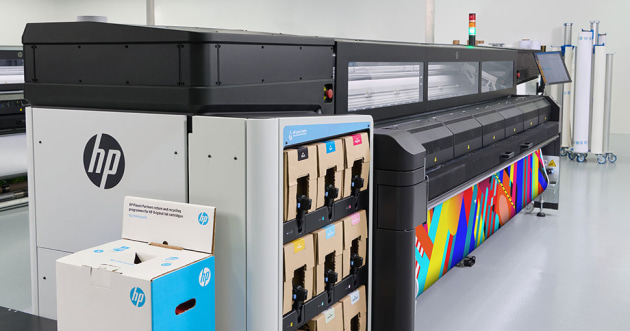

As the print industry evolves, environmental responsibility has become a key consideration for brands and print providers alike. Choosing sustainable materials for latex printing not only helps reduce environmental impact but also supports growing consumer demand for eco-friendly products. With latex printing technology offering water-based inks and low emissions, pairing it with the right substrates is essential for a truly green approach.
This article explores a range of eco-conscious substrates compatible with latex printing, practical tips for selection, and the benefits of making sustainable choices. If you’re interested in broader innovations in print, you may also want to learn about what is digital prototyping for packaging and how it can speed up production.
Why Choose Eco-Friendly Substrates for Latex Printing?
The move toward environmentally responsible materials in latex printing is driven by several factors. First, there is a growing awareness of the environmental impact of traditional PVC-based and non-recyclable substrates. Second, many clients now expect their print projects to align with sustainability goals. Using greener substrates can help reduce waste, lower carbon emissions, and support circular economy initiatives.
Latex printing technology itself is designed to be more sustainable, using water-based inks that emit fewer volatile organic compounds (VOCs). When paired with substrates that are recyclable, biodegradable, or made from renewable resources, the environmental benefits multiply.
Types of Sustainable Substrates Compatible with Latex Printing
There is a wide variety of sustainable materials for latex printing available today. Below are some of the most popular options, each offering unique benefits and applications.
- Recycled Paper and Cardboard: These substrates are made from post-consumer or post-industrial waste and are widely recyclable after use. They are ideal for posters, packaging, and indoor signage.
- Biodegradable Films: Made from plant-based polymers such as PLA (polylactic acid), these films break down naturally and are suitable for short-term graphics, window displays, and event signage.
- Recyclable Polypropylene (PP): Polypropylene is a versatile plastic that can be recycled multiple times. Many PP films and boards are now designed specifically for latex printing, offering durability for banners and displays.
- Natural Fiber Textiles: Cotton, linen, and jute fabrics are renewable and biodegradable. They work well for soft signage, backdrops, and décor applications.
- PVC-Free Banners: These alternatives to traditional vinyl banners are often made from polyester or other non-chlorinated plastics, making them easier to recycle and less harmful to produce.
- Wood-Based Boards: FSC-certified plywood, MDF, and chipboard offer a sturdy, renewable option for display graphics and retail signage.

Key Benefits of Using Green Substrates in Latex Printing
Adopting eco-friendly substrates for latex printing projects offers several advantages:
- Reduced Environmental Impact: Lower landfill waste and fewer harmful emissions contribute to a healthier planet.
- Improved Brand Image: Businesses that prioritize sustainability can enhance their reputation and appeal to environmentally conscious customers.
- Regulatory Compliance: Many regions now require or incentivize the use of recyclable and non-toxic materials in commercial printing.
- Innovation and Differentiation: Offering sustainable print solutions can set your business apart in a competitive market.
For a deeper dive into the advantages of this technology, see this overview of latex printing benefits with HP.
How to Select the Right Sustainable Material for Your Project
Choosing the best substrate depends on your project’s requirements, budget, and end-of-life considerations. Here are some factors to weigh:
- Application: Determine if the print will be used indoors or outdoors, short-term or long-term, and whether flexibility or rigidity is needed.
- Print Quality: Ensure the material is compatible with latex inks and delivers the desired color vibrancy and sharpness.
- End-of-Life: Consider whether the substrate can be recycled, composted, or reused after its initial use.
- Certifications: Look for materials with recognized eco-labels such as FSC, PEFC, or third-party recycled content certifications.
- Cost: While sustainable options may sometimes cost more upfront, they can deliver long-term value through brand enhancement and regulatory compliance.
Trends and Innovations in Eco-Conscious Print Media
The market for sustainable materials for latex printing continues to grow, driven by both technological advances and consumer expectations. Some notable trends include:
- Development of New Bioplastics: Manufacturers are introducing innovative plant-based films that offer similar performance to traditional plastics but with a lower environmental footprint.
- Closed-Loop Recycling: Some suppliers now offer take-back programs, ensuring used substrates are collected and recycled into new products.
- Transparency and Traceability: Brands increasingly demand clear information about the origin and lifecycle of their print materials.
- Integration with Digital Workflows: As digital prototyping and cloud-based color management become more common, it’s easier to test and optimize sustainable substrates before full production. For more on this, see the benefits of cloud-based color management for global brands.
Best Practices for Sustainable Latex Printing Projects
To maximize the benefits of eco-friendly substrates, consider the following best practices:
- Test Compatibility: Always run print tests to ensure the substrate works well with your latex printer and ink set.
- Educate Clients: Share the environmental advantages of sustainable substrates with your customers to build trust and encourage adoption.
- Minimize Waste: Use digital prototyping and precise job planning to reduce offcuts and misprints.
- Document Sustainability Claims: Keep records of certifications and recycling instructions to support your green marketing efforts.
Frequently Asked Questions
What types of eco-friendly substrates are most popular for latex printing?
Common choices include recycled paper, biodegradable films, PVC-free banners, and natural fiber textiles. The best option depends on your application, durability needs, and environmental goals.
Are sustainable substrates as durable as traditional materials?
Many modern eco-friendly substrates offer comparable durability to conventional options, especially for indoor and short-term outdoor use. Always check manufacturer specifications for weather resistance and longevity.
How can I be sure a substrate is truly sustainable?
Look for certifications such as FSC, PEFC, or third-party recycled content labels. Ask suppliers for documentation and consider the material’s end-of-life options, such as recyclability or compostability.
Conclusion
Selecting sustainable materials for latex printing is a practical way to reduce environmental impact while meeting the expectations of modern consumers and businesses. By understanding the available options and best practices, print providers and brands can deliver high-quality results that align with their sustainability goals. As the industry continues to innovate, staying informed about new materials and technologies will ensure your projects remain both effective and environmentally responsible.