
Eco solvent ink has become a popular choice in the world of large-format and commercial printing, offering a balance between vibrant print quality and reduced environmental impact. If you’re exploring options for signage, banners, vehicle wraps, or other durable graphics, understanding which machines are compatible with this type of ink is essential. This article provides a comprehensive overview of devices that support eco solvent ink, the benefits of using these inks, and what to consider when choosing the right printer for your needs.
As print technology evolves, professionals are looking for solutions that deliver both performance and sustainability. Eco solvent printers are at the forefront of this shift, making them a smart investment for businesses aiming to minimize their ecological footprint without sacrificing quality. For those interested in related innovations, you might also want to learn about what is digital prototyping for packaging and how it can speed up production.
Understanding Eco Solvent Ink Technology
Before diving into which machines are compatible, it’s important to clarify what eco solvent ink is and why it’s preferred in certain applications. Eco solvent inks are made with a milder solvent base compared to traditional solvent inks, resulting in lower emissions of volatile organic compounds (VOCs). This makes them safer for both operators and the environment.
These inks are designed to adhere to a wide range of uncoated and coated materials, including vinyl, canvas, and certain plastics. The result is prints that are both weather-resistant and vibrant, suitable for indoor and outdoor use. For a deeper dive into the advantages and applications of this ink type, see this detailed guide on eco solvent ink.
Types of Printers Compatible with Eco Solvent Ink
Not all printing equipment is engineered to work with eco solvent formulations. The following categories highlight the most common types of machines that support these inks:
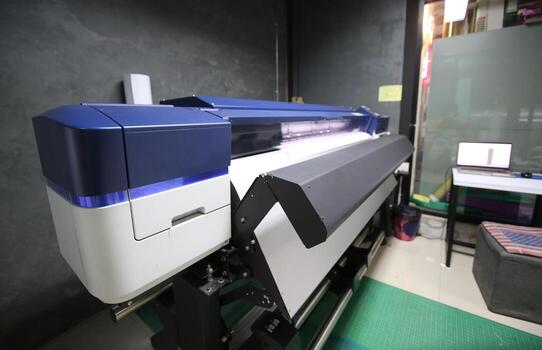
- Wide-Format Inkjet Printers: These are the primary devices for eco solvent printing, ideal for producing banners, posters, and vehicle graphics.
- Roll-to-Roll Printers: Designed to handle flexible media on rolls, these printers are widely used in the sign and graphics industry.
- Hybrid Printers: Some hybrid models can switch between eco solvent and other ink types, offering versatility for different projects.
Manufacturers often specify which ink types are supported, so always check the product documentation or consult with a supplier before purchasing or refilling a machine.

Popular Brands and Models Supporting Eco Solvent Ink
Several leading manufacturers produce machines specifically designed for eco solvent printing. Here are some well-known brands and their notable models:
- Roland: The VersaCAMM and TrueVIS series are widely recognized for their reliability and print quality with eco solvent inks.
- Mimaki: The JV and CJV series are popular choices for sign makers and print shops seeking vibrant, long-lasting results.
- Mutoh: The ValueJet line is known for its robust construction and compatibility with a range of eco solvent formulations.
- Epson: Certain SureColor models are built to handle eco solvent inks, especially for professional graphics and signage.
These brands offer a variety of sizes and features, so it’s important to match the model to your specific production needs and budget.
Key Features to Consider When Choosing an Eco Solvent Printer
Selecting the right equipment involves more than just ink compatibility. Here are important factors to evaluate:
- Print Width: Consider the maximum media width you’ll need for your typical projects.
- Print Speed: Faster machines can boost productivity, but may come at a higher cost.
- Resolution: Higher resolution delivers sharper images, which is crucial for detailed graphics.
- Media Handling: Look for features like automated take-up reels or multi-roll support if you handle high volumes.
- Software Compatibility: Ensure the printer works with your preferred design and RIP software.
It’s also wise to consider after-sales support, availability of replacement parts, and the reputation of the manufacturer.
Benefits of Using Eco Solvent Printers
There are several advantages to choosing a machine that supports eco solvent ink:
- Reduced Environmental Impact: Lower VOC emissions make these printers safer for operators and the planet.
- Durable Prints: The output is resistant to water, UV light, and abrasion, making it ideal for outdoor applications.
- Versatility: Compatible with a wide range of substrates, including vinyl, banners, and specialty films.
- Cost Efficiency: Longer-lasting prints mean fewer reprints and lower maintenance costs over time.
These advantages make eco solvent printers a smart choice for businesses looking to balance quality, durability, and sustainability.
Applications for Eco Solvent Printing Equipment
Devices that use eco solvent ink are widely used in many industries. Common applications include:
- Outdoor Signage: Billboards, banners, and building wraps benefit from the weather-resistant properties of these inks.
- Vehicle Graphics: Car wraps and decals require inks that can withstand exposure to the elements.
- Retail Displays: Point-of-sale materials and window graphics often utilize eco solvent prints for their vivid colors and durability.
- Custom Wallpaper and Decor: Interior designers use these printers for bespoke wall coverings and art.
The flexibility of eco solvent printing makes it a valuable tool for both commercial and creative projects.
Maintenance and Best Practices for Eco Solvent Printers
To keep your equipment running smoothly, regular maintenance is essential. Here are some best practices:
- Routine Cleaning: Clean print heads and ink lines as recommended by the manufacturer to prevent clogs.
- Proper Storage: Store ink cartridges in a cool, dry place and use them before their expiration date.
- Use Genuine Supplies: Whenever possible, use original or approved third-party inks to ensure compatibility and print quality.
- Software Updates: Keep your printer’s firmware and software up to date for optimal performance.
Following these guidelines will help extend the life of your printer and maintain consistent output quality.
Frequently Asked Questions
Can I Convert a Regular Inkjet Printer to Use Eco Solvent Ink?
Most standard inkjet printers are not designed to handle eco solvent formulations. Attempting to convert a non-compatible device can damage the print head and void warranties. It’s best to use models specifically built for this purpose.
What Are the Main Differences Between Eco Solvent and Latex Printers?
Eco solvent printers use a mild solvent base, while latex printers use water-based inks cured with heat. Latex machines generally offer faster drying times and lower odor, but eco solvent devices often provide superior adhesion on certain media types.
How Long Do Eco Solvent Prints Last Outdoors?
With proper media and lamination, eco solvent prints can last up to 3–5 years outdoors, depending on exposure to sunlight and weather conditions. Regular maintenance and using high-quality inks can further extend durability.
Are There Any Health or Safety Concerns with Eco Solvent Inks?
These inks emit significantly fewer VOCs than traditional solvents, making them safer for indoor use and reducing health risks for operators. However, it’s still important to ensure adequate ventilation in the print area.
For more insights into print technology and trends, you might also be interested in exploring the benefits of cloud-based color management for global brands.