
Cold foil printing is transforming the way brands add metallic finishes to packaging, labels, and promotional materials. This innovative process offers a fast, cost-effective alternative to traditional hot foil stamping, delivering eye-catching results with fewer limitations. Whether you’re a packaging designer, print buyer, or business owner, understanding how cold foil works—and what it can do for your products—can help you make more informed decisions about your next print project.
In this guide, we’ll break down the basics of cold foil application, compare it to other metallic printing methods, and explore the main benefits and potential drawbacks. You’ll also find insights into cost factors, sustainability considerations, and how this technology fits into the future of print and packaging.
If you’re interested in how digital technologies are speeding up packaging production, check out our guide on what is digital prototyping for packaging for more on rapid prototyping and workflow improvements.
Understanding the Cold Foil Printing Process
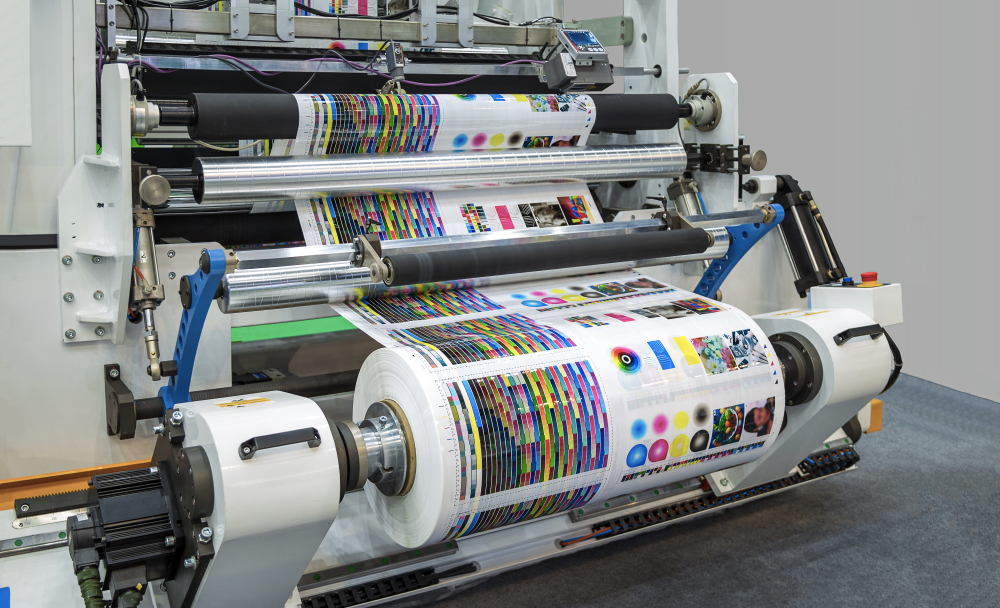
The core idea behind cold foil printing technology is simple: it uses a standard printing press to transfer a thin layer of metallic foil onto a substrate, such as paper or film, without the need for heat. This process relies on UV-curable adhesives and precise registration to achieve detailed, high-quality metallic effects.
Here’s a step-by-step overview of how cold foil is applied:
- A UV-curable adhesive is printed onto the substrate in the desired pattern using a standard printing plate.
- Metallic foil is pressed onto the adhesive while both are still on the press.
- UV lamps cure the adhesive instantly, bonding the foil to the substrate only where the adhesive was applied.
- The unused foil is removed, leaving behind sharp, metallic graphics or text.
This inline process allows for rapid production speeds and seamless integration with other printing techniques, such as offset or flexographic printing.
Comparing Cold Foil to Hot Foil Stamping
While both cold foil and hot foil stamping add metallic effects, their methods and results differ in several key ways:
- Heat vs. No Heat: Hot foil stamping uses heated dies to press foil onto a substrate, while cold foil relies on UV-curable adhesives and no heat.
- Speed and Flexibility: Cold foil can be applied inline during printing, making it faster and more suitable for short runs or variable data. Hot foil is typically an offline process, requiring separate tooling and setup.
- Detail and Registration: Cold foil excels at fine details and tight registration, especially for intricate designs or small text. Hot foil can sometimes struggle with very fine lines or complex graphics.
- Substrate Compatibility: Cold foil works best on coated papers and films, while hot foil can be used on a wider range of materials, including textured stocks.
For brands seeking fast turnaround and high-impact visuals, cold foil offers a compelling alternative to traditional metallic embellishments.
Key Benefits of Cold Foil Printing
Adopting cold foil printing technology brings several advantages for both printers and brand owners:
- High-Speed Production: The inline process means metallic effects can be added without slowing down the press, supporting tight deadlines and large volumes.
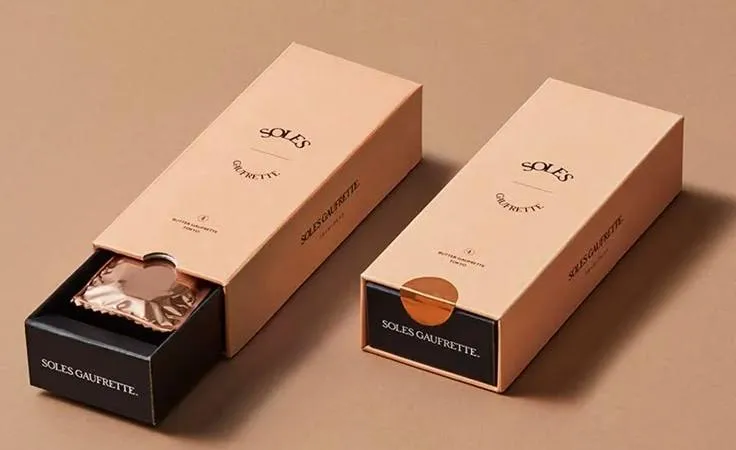
- Design Versatility: Cold foil can be overprinted with transparent inks, enabling a wide spectrum of metallic colors and gradients. This flexibility opens up creative possibilities for packaging and labels.
- Cost-Effectiveness: With no need for custom dies or lengthy setup, cold foil is more affordable for short runs and frequent design changes.
- Precision and Detail: The adhesive application allows for crisp edges and intricate patterns, ideal for premium branding.
- Reduced Waste: Because foil is only applied where adhesive is printed, there’s less material waste compared to some traditional methods.
These benefits make cold foil a popular choice in industries like cosmetics, food and beverage, pharmaceuticals, and luxury goods.
Potential Drawbacks and Limitations
Despite its many advantages, cold foil printing does have some limitations to consider:
- Substrate Restrictions: It performs best on smooth, coated surfaces. Uncoated or textured papers may not achieve optimal adhesion or visual effect.
- Durability: While cold foil is suitable for most packaging and label applications, it may be less durable than hot foil on items subject to heavy abrasion.
- Initial Investment: Printers need UV curing capabilities and compatible presses, which can require upfront investment if not already in place.
Understanding these factors can help you decide if cold foil is the right choice for your project or if another metallic process might be better suited.

Cost Factors for Cold Foil Applications
One of the main reasons brands choose cold foil is its cost efficiency, especially for shorter runs or projects requiring frequent design changes. Here’s what influences the price of a cold foil job:
- Run Length: Cold foil is economical for both short and long runs, but the savings are most noticeable on smaller quantities compared to hot foil stamping.
- Design Complexity: Highly detailed or large foil areas may use more adhesive and foil, affecting material costs.
- Press Setup: If a printer already has UV curing and compatible presses, setup costs are minimal. Otherwise, initial investments may be higher.
- Foil Type: Specialty foils (such as holographic or colored metallics) can increase material expenses.
Overall, cold foil offers a balance of quality and affordability, making it accessible for a wide range of brands and applications.
Cold Foil and Sustainability
As sustainability becomes a top priority in packaging, many brands are evaluating the environmental impact of decorative processes. Cold foil printing has some notable advantages:
- Reduced Energy Use: The process operates at room temperature, consuming less energy than hot foil stamping.
- Less Waste: Only the required foil is transferred, minimizing excess material.
- Recyclability: Most cold foil applications do not hinder the recyclability of paper or board substrates, provided the foil coverage is not excessive.
For more on sustainable print technologies, see our article on the benefits of cloud-based color management for global brands.
Trends and the Future of Metallic Printing
With the demand for premium packaging and shelf impact on the rise, cold foil is expected to play a growing role in the print and packaging industry. Advances in foil materials, adhesives, and press technology are making it easier to achieve unique effects—such as holographic finishes and multi-color metallics—at scale.
According to industry experts, metallic embellishments will remain a key differentiator for brands seeking to stand out. For a look at where print and packaging are headed, explore this analysis of future trends in print and packaging.
If you’re interested in other innovative finishing techniques, you may also want to read about what is holographic lamination for eye-catching print effects or learn about what is electron beam curing in printing for advanced curing solutions.
Frequently Asked Questions
How does cold foil printing differ from hot foil stamping?
Cold foil uses UV-curable adhesive and no heat, applying metallic foil inline during the printing process. Hot foil stamping requires heated dies and is typically a separate, offline process. Cold foil is faster, more flexible, and better for detailed designs, while hot foil can be used on a wider range of substrates.
Is cold foil suitable for all types of packaging?
Cold foil works best on smooth, coated papers and films. It may not adhere as well to uncoated or heavily textured materials. For most folding cartons, labels, and flexible packaging, it delivers excellent results, but testing is recommended for specialty stocks.
Does cold foil printing increase the cost of packaging?
While adding metallic effects does increase production costs compared to standard printing, cold foil is generally more affordable than hot foil stamping for short runs or projects with frequent design changes. The absence of custom dies and the inline process help keep costs manageable.
Can cold foil be combined with other print effects?
Yes, cold foil can be overprinted with transparent inks to create a wide range of metallic colors and gradients. It’s also compatible with embossing, spot varnishes, and other finishing techniques for added impact.
Is cold foil environmentally friendly?
Cold foil printing is considered more sustainable than some traditional methods due to lower energy use and reduced waste. Most cold foil applications do not affect the recyclability of paper substrates, provided the foil coverage is moderate.