


Understanding what is HP latex ink made of is essential for print professionals, designers, and anyone considering latex printing technology. HP latex inks have become a popular choice in the wide-format printing industry due to their environmental advantages, versatility, and print quality. However, the actual makeup of these inks is often misunderstood or oversimplified. This article provides a detailed look at the components, chemistry, and performance factors that define HP latex ink, helping you make informed decisions for your printing needs.
If you are interested in how digital innovation is transforming packaging, you might also find our guide on what is digital prototyping for packaging useful.
Breaking Down the Main Ingredients in HP Latex Ink
The term “latex” in HP latex ink can be misleading. Unlike natural rubber latex, HP’s formulation is water-based and contains a blend of synthetic polymers, pigments, and specialized additives. The primary components include:
- Water: Acts as the main carrier, making up 60–65% of the total volume. This allows for low odor and easy cleanup.
- Pigments: Provide color and durability. These are finely ground particles that remain suspended in the liquid.
- Polymeric Binders: Synthetic latex particles (acrylic or polyurethane-based) that form a flexible film, encapsulating the pigment on the substrate.
- Humectants: Help retain moisture, preventing the ink from drying out in the printhead.
- Surfactants: Improve wetting and flow, ensuring even coverage on various materials.
- Coalescing Agents: Assist in film formation during the curing process, enhancing adhesion and finish.
- Preservatives and Biocides: Prevent microbial growth during storage.
How HP Latex Ink Differs from Other Ink Technologies
Compared to solvent, eco-solvent, or UV-curable inks, HP latex ink stands out for its water-based composition and environmental profile. Traditional solvent inks rely on volatile organic compounds (VOCs) as carriers, which can be hazardous and require special ventilation. In contrast, HP latex ink emits extremely low levels of VOCs, making it safer for indoor environments and more sustainable.
The synthetic latex in HP’s formula is engineered to coalesce at relatively low temperatures (typically 60–110°C), allowing prints to dry quickly and adhere to a wide range of substrates. This flexibility is a key reason why latex printing is favored for banners, wallcoverings, vehicle wraps, and more.
Detailed Composition Table: What Goes Into HP Latex Ink?
| Component | Typical Function | Approximate Proportion (%) |
|---|---|---|
| Water | Main carrier, enables low odor and easy cleanup | 60–65 |
| Pigments | Color, UV resistance, image permanence | 10–15 |
| Synthetic Latex Polymer | Film formation, flexibility, adhesion | 10–20 |
| Humectants | Moisture retention, printhead reliability | 3–5 |
| Surfactants | Wetting, flow, substrate compatibility | 1–3 |
| Coalescing Agents | Film formation, finish quality | 1–2 |
| Preservatives/Biocides | Storage stability, microbial resistance | <1 |
Environmental and Safety Considerations
One of the main advantages of HP latex ink is its eco-friendly profile. The water-based formula means there are minimal hazardous air pollutants (HAPs) and almost no odor, making it suitable for sensitive indoor applications such as hospitals, schools, and retail spaces. HP latex prints are also certified for various environmental standards, including UL ECOLOGO and GREENGUARD GOLD.
The absence of heavy metals and the use of non-flammable, non-combustible ingredients further enhance safety during both printing and handling. For businesses seeking sustainable solutions, latex ink technology offers a compelling alternative to traditional solvent-based approaches.

Performance Benefits of HP Latex Ink Composition
The unique blend of ingredients in HP latex ink provides several practical benefits:
- Versatility: Prints adhere to a broad range of materials, including vinyl, textiles, paper, and films.
- Durability: The cured latex film is resistant to scratches, water, and UV exposure, making it suitable for both indoor and outdoor use.
- Color Vibrancy: High-quality pigments and optimized binders deliver vivid, consistent color output.
- Fast Drying: The water-based carrier evaporates quickly, and the latex particles coalesce efficiently under heat, reducing turnaround times.
- Low Maintenance: The absence of aggressive solvents means less wear on printheads and easier maintenance.
These qualities make HP latex ink a preferred option for businesses seeking reliable, high-impact graphics with minimal environmental impact.
Comparing HP Latex Ink to Other Printing Technologies
When evaluating what is HP latex ink made of versus other ink types, it’s helpful to consider the differences in chemistry and application:
- Solvent Inks: Use petroleum-based carriers and require special ventilation. They offer strong adhesion but emit VOCs and have longer drying times.
- UV-Curable Inks: Harden instantly under UV light, suitable for rigid substrates but can be less flexible and may emit some hazardous byproducts.
- Aqueous (Dye/Pigment) Inks: Water-based but typically not as durable or versatile as latex formulations.
- HP Latex Inks: Combine the environmental benefits of water-based inks with the performance and flexibility needed for demanding graphics applications.
For a more detailed comparison of print technologies, you might also be interested in our article on what is electron beam curing in printing.
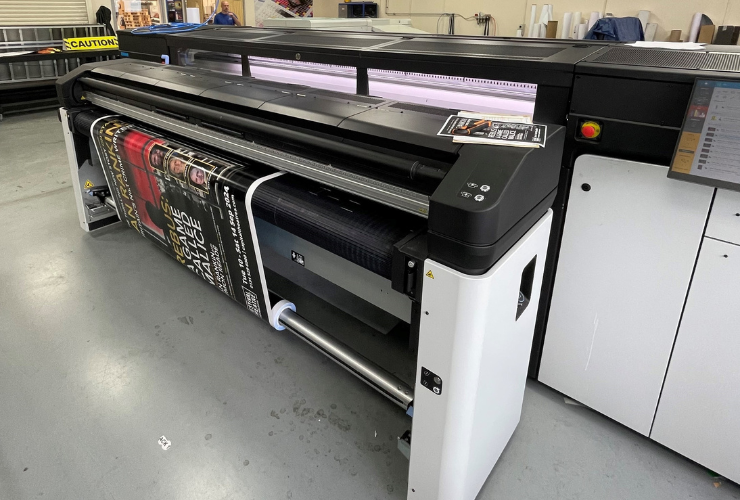
Expert Insights: Why the Composition Matters
The precise formulation of HP latex ink is the result of years of research and development. By balancing pigment load, polymer type, and additive selection, HP has created an ink that meets the demands of commercial print environments while supporting sustainability goals. The chemistry not only affects print quality and durability but also impacts operational costs, safety, and the range of possible applications.
For businesses evaluating whether latex printing is the right fit, it’s important to consider both the technical and environmental aspects of the ink. For a broader look at how latex printers compare to other options, see this comprehensive guide to latex printers and their business benefits.
FAQ: Common Questions About HP Latex Ink Composition
Is HP Latex Ink Safe for Indoor Use?
Yes, HP latex ink is designed to be safe for indoor environments. Its water-based formula emits extremely low levels of VOCs and is certified for use in sensitive spaces like hospitals, schools, and restaurants.
Does HP Latex Ink Contain Natural Rubber or Allergens?
No, despite the name, HP latex ink does not contain natural rubber latex or common allergens. The “latex” refers to synthetic polymer particles that form the ink’s film.
How Does the Ink Cure and Adhere to Different Materials?
During printing, heat is applied to evaporate water and coalesce the synthetic latex particles, forming a flexible, durable film that adheres to a wide range of substrates. This process ensures strong adhesion and fast drying.
What Makes HP Latex Ink Environmentally Friendly?
The water-based composition, low VOC emissions, and absence of hazardous air pollutants make HP latex ink a sustainable choice. Many HP latex inks are also certified by third-party environmental standards.
Conclusion
Knowing what is HP latex ink made of helps print professionals and buyers understand its unique advantages in quality, safety, and sustainability. Its blend of water, pigments, synthetic polymers, and specialized additives delivers reliable performance for a wide range of applications. As the printing industry continues to evolve, HP latex ink remains a leading solution for those seeking both high-quality results and environmental responsibility.




