
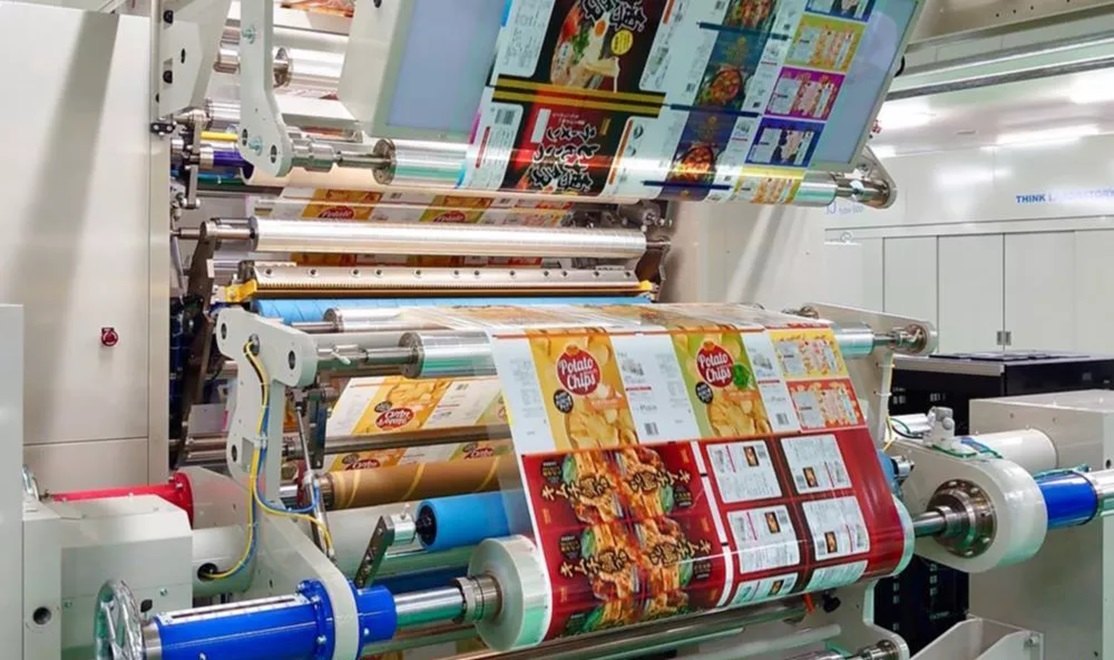

Efficient ink usage is a critical factor in modern printing, especially for businesses aiming to balance production costs with environmental responsibility. Whether you manage packaging, commercial print runs, or specialty graphics, understanding how to optimize ink coverage for cost and sustainability can lead to significant savings and a reduced ecological footprint. This guide explores practical strategies, industry best practices, and the latest technologies that help print professionals achieve both economic and environmental objectives.
As the packaging and print sector evolves, companies are increasingly adopting digital tools and sustainable processes. If you’re interested in how digital innovation is transforming packaging workflows, you may want to read about what is digital prototyping for packaging and how it can speed up production while minimizing waste.
Understanding Ink Coverage and Its Impact
Ink coverage refers to the percentage of a printed area covered by ink. High coverage typically means more vibrant colors and denser images, but it also leads to increased ink consumption and potentially higher costs. For businesses focused on sustainability, excessive ink use can also mean greater environmental impact due to more frequent cartridge changes, higher energy use, and increased waste.
Optimizing ink coverage isn’t just about using less ink—it’s about achieving the desired print quality with the minimum amount of resources. This balance is essential for companies looking to remain competitive and responsible in today’s market.
Key Strategies for Reducing Ink Usage
There are several proven methods to help print professionals and businesses lower ink consumption while maintaining quality:
- Color Management: Implementing robust color management systems ensures accurate color reproduction with less ink. Solutions like cloud-based color management can standardize output and reduce unnecessary ink use. Learn more about the benefits of cloud-based color management for global brands.
- Image Optimization: Adjusting images for optimal contrast and brightness can reduce the amount of ink required without sacrificing visual impact. Software tools can help automate this process across large print runs.
- Screening Techniques: Using advanced halftone screening or stochastic screening methods can create the illusion of solid colors with less ink, improving efficiency and sustainability.
- Paper Selection: The type of substrate affects ink absorption. Selecting papers with optimized coatings can minimize ink bleed and enhance print sharpness, allowing for lower coverage rates.
Balancing Print Quality and Sustainability
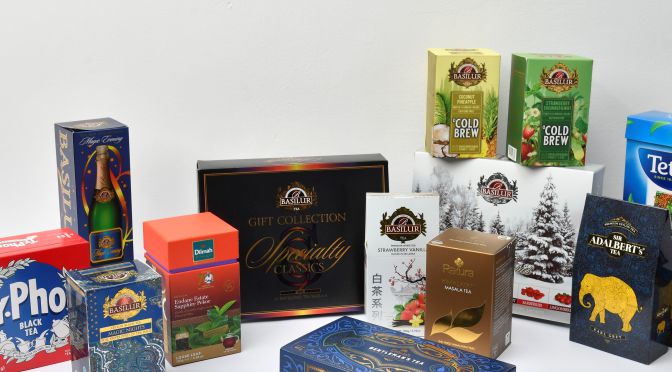
One of the main challenges in optimizing ink coverage is maintaining print quality. Clients expect vibrant, consistent results, but excessive ink can cause issues such as smudging, longer drying times, and even substrate deformation. Here are some ways to strike the right balance:
- Set Ink Limits: Most RIP (Raster Image Processor) software allows users to set maximum ink limits for each job. This prevents over-inking and ensures consistent output across different media types.
- Proofing and Prototyping: Conducting digital proofs and prototypes can help identify areas where ink usage can be reduced without visible quality loss. For more on this, explore the advantages of digital prototyping in packaging.
- Monitor and Adjust: Regularly reviewing print samples and adjusting settings based on feedback can help maintain quality while reducing resource use.
Technologies and Tools for Efficient Ink Management
Modern printing technologies offer a range of solutions for optimizing ink usage:
- Automated Ink Optimization: Many digital presses and large-format printers now include built-in software that automatically adjusts ink laydown based on image content and substrate.
- Electron Beam Curing: For certain applications, electron beam curing can reduce the need for heavy ink coverage by improving adhesion and vibrancy. To learn more about this technology, see what is electron beam curing in printing.
- Moisture-Resistant Coatings: Using innovative coatings can help prevent ink bleed and allow for lower coverage without sacrificing durability. Discover more in the article on innovations in moisture-resistant paper coatings.
Industry Trends: Digital Printing and Sustainability
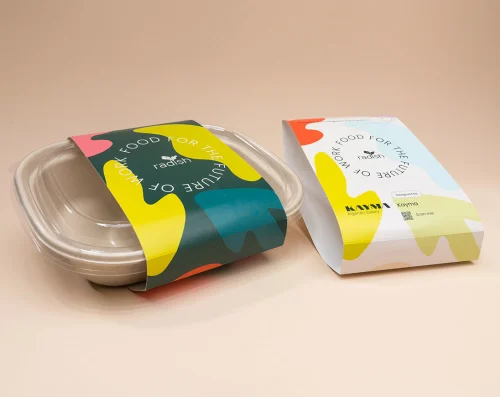
The shift toward digital printing has opened new opportunities for optimizing ink usage. Digital presses offer precise control over ink laydown, variable data printing, and the ability to run shorter, targeted print jobs—all of which contribute to reduced waste and lower costs. According to industry reports, the market for digitally printed packaging is growing rapidly, with sustainability as a key driver. For more insights, see this analysis of the digital print for packaging market.
In addition, the adoption of eco-friendly inks, such as water-based or vegetable-based formulations, further supports sustainability goals. These inks typically have lower VOC emissions and can be easier to remove during recycling processes.
Practical Tips for Print Professionals
For those looking to implement ink optimization strategies, consider these actionable steps:
- Audit Your Current Processes: Review recent print jobs to identify areas of excessive ink use or waste.
- Train Your Team: Ensure that operators understand how to adjust settings and use software tools to minimize ink consumption.
- Collaborate with Suppliers: Work with ink and substrate suppliers to select products that support both cost efficiency and environmental responsibility.
- Monitor Results: Track ink usage and print quality over time, making adjustments as needed to stay aligned with your goals.
Integrating Ink Optimization with Broader Sustainability Initiatives
Optimizing ink coverage is just one part of a comprehensive sustainability strategy. Businesses can further reduce their environmental impact by:
- Choosing recycled or certified sustainable substrates.
- Implementing energy-efficient equipment and processes.
- Reducing packaging size and weight to minimize material use.
- Exploring tactile printing and other innovative techniques to enhance product appeal without excessive ink. For more, see what is tactile printing.
Frequently Asked Questions
What is the most effective way to reduce ink usage without sacrificing print quality?
The most effective approach combines robust color management, optimized image preparation, and advanced screening techniques. By carefully calibrating equipment and using software tools, print professionals can achieve vibrant results with less ink.
How does ink optimization contribute to sustainability?
Reducing ink coverage lowers the consumption of raw materials, decreases waste from cartridges and packaging, and often results in less energy use during printing and drying. These factors collectively support environmental goals and can improve a company’s sustainability profile.
Are there specific technologies that help manage ink more efficiently?
Yes, modern digital presses, automated ink optimization software, and innovative curing and coating technologies all play a role in efficient ink management. Additionally, cloud-based color management and digital prototyping tools help standardize output and reduce unnecessary ink use.




