Minimalist packaging design has become a defining trend in the world of branding and product presentation. It focuses on simplicity, clarity, and the intentional use of space, color, and typography to create packaging that is both visually appealing and highly functional. As brands compete for consumer attention, this approach offers a refreshing alternative to cluttered, over-designed packaging. In this guide, we’ll explore the core principles, advantages, and actionable strategies for implementing a minimalist approach in packaging design.
Understanding the fundamentals of this design philosophy can help businesses create packaging that stands out on shelves, communicates brand values, and meets the evolving expectations of modern consumers. For those interested in related trends, you might also want to learn about trends in wood-grain and natural textures on print for a broader perspective on packaging innovation.

Defining Minimalist Packaging: Key Elements and Philosophy
At its core, minimalist packaging is about stripping away the unnecessary and focusing on what truly matters. This design style uses limited color palettes, clean lines, ample white space, and concise messaging. The goal is to communicate the product’s purpose and brand identity with as little visual noise as possible.
- Simple Color Schemes: Often, only one or two colors are used, creating a calm and harmonious appearance.
- Uncluttered Layouts: Elements are spaced out, allowing each component—such as the logo or product name—to stand out.
- Clear Typography: Easy-to-read fonts are chosen for clarity and impact.
- Limited Graphics: Imagery is used sparingly, if at all, and only to enhance the message.
This approach is not about being plain or boring. Instead, it’s about intentionality—every design choice serves a purpose, and nothing is added without reason.
Why Brands Are Embracing Minimalist Packaging Strategies
The shift toward minimalist design in packaging is driven by several factors. Consumers today are bombarded with visual information, making it harder for brands to capture attention. Minimalist packaging cuts through the noise, offering a sense of calm and sophistication. Here are some of the main reasons brands are adopting this approach:
- Enhanced Shelf Impact: Simple designs can stand out among busy, colorful competitors.
- Clear Brand Messaging: With fewer distractions, the brand’s core message is communicated more effectively.
- Modern and Premium Perception: Minimalist packaging is often associated with quality and luxury.
- Sustainability: Using fewer materials and inks can reduce environmental impact, aligning with eco-conscious values.
For brands looking to stay ahead, understanding what is minimalist packaging design and its benefits is crucial for both differentiation and consumer appeal.
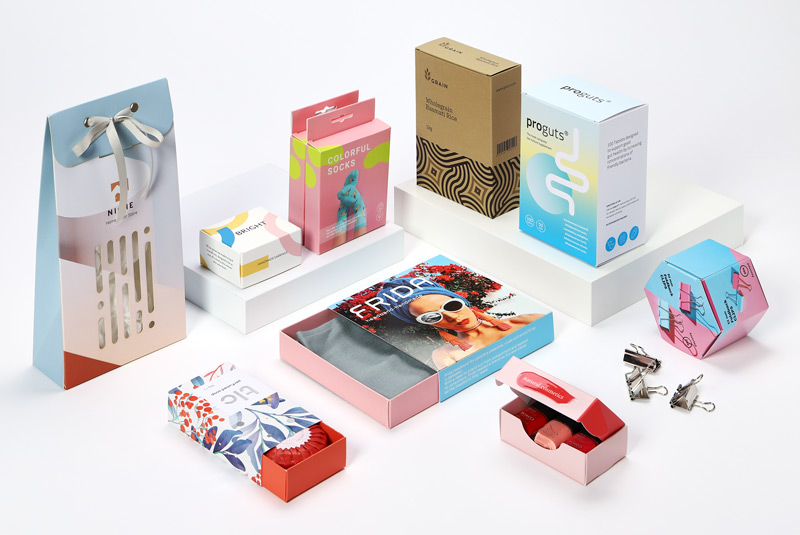
Benefits of Minimalist Packaging for Businesses and Consumers
Adopting a minimalist approach to packaging offers tangible advantages for both brands and their customers. Some of the most notable benefits include:
- Cost Efficiency: Fewer design elements and less ink usage can lower production costs.
- Environmental Friendliness: Minimalist packaging often uses less material, supporting sustainability initiatives.
- Improved User Experience: Clear labeling and simple opening mechanisms make products easier to use.
- Stronger Brand Recognition: Consistent, uncluttered designs help consumers quickly identify products on shelves.
- Versatility: Minimalist designs can adapt easily to different product lines or seasonal campaigns.
These advantages make minimalist packaging a smart choice for brands aiming to balance aesthetics, functionality, and environmental responsibility.
Best Practices for Creating Effective Minimalist Packaging
To succeed with a minimalist design strategy, brands should follow a set of best practices that ensure both visual appeal and practical function. Here are some guidelines to consider:
- Prioritize Essential Information: Only include details that are necessary for the consumer—such as product name, usage instructions, and legal requirements.
- Use High-Quality Materials: When the design is simple, the quality of the packaging material becomes more noticeable and important.
- Maintain Consistency: Use the same color palette, typography, and layout across all products to build a cohesive brand image.
- Leverage Negative Space: Don’t be afraid to leave areas blank; white space can enhance focus and elegance.
- Test with Real Users: Gather feedback to ensure the design communicates the intended message and is easy to use.
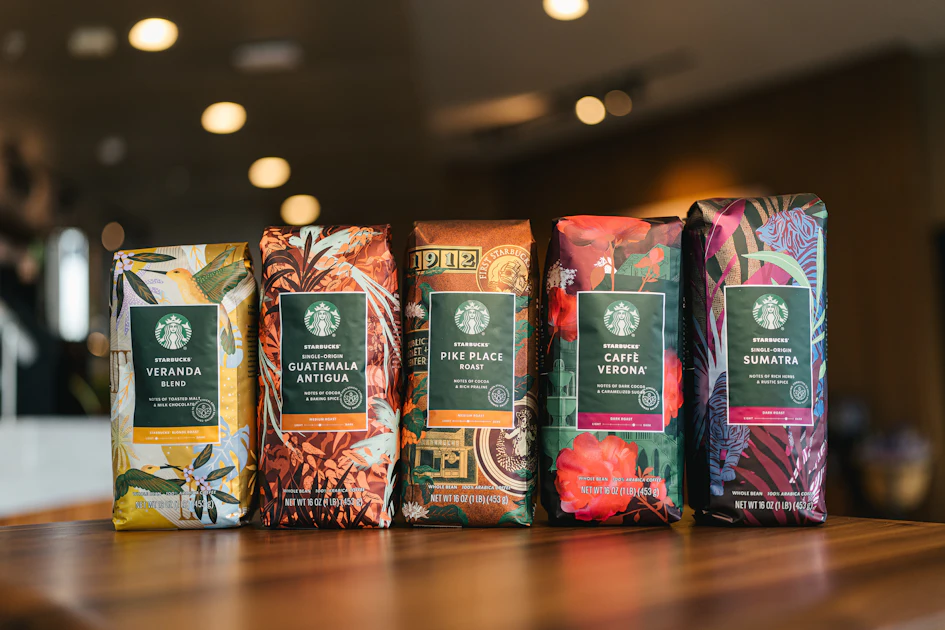
Brands can also draw inspiration from industry leaders and case studies. For example, Starbucks has successfully used minimalist packaging to elevate its product lines, as seen in the image below.
Common Mistakes to Avoid in Minimalist Packaging
While the minimalist approach offers many benefits, there are pitfalls to watch out for:
- Over-Simplification: Removing too much information can confuse consumers or fail to meet regulatory requirements.
- Poor Material Choices: Low-quality materials can make simple designs look cheap rather than elegant.
- Lack of Brand Personality: Minimalism should still reflect the brand’s unique identity—avoid generic or bland designs.
- Ignoring Functionality: Packaging should remain practical and protective, not just visually appealing.
By staying mindful of these challenges, brands can create packaging that is both beautiful and effective.
Minimalism and the Future of Packaging
The movement toward minimalist packaging is expected to continue as consumers demand more sustainable and thoughtful design. Advances in printing technology, such as those discussed in the future of flexible packaging and digital printing, are making it easier for brands to experiment with minimalist concepts while maintaining high quality and customization.
For those interested in eco-friendly production, exploring resources like the guide to solvent-free printing processes can provide additional insights into sustainable packaging practices.
Frequently Asked Questions
How does minimalist packaging impact brand perception?
Minimalist packaging often conveys a sense of sophistication, quality, and modernity. By focusing on essential elements and clean design, brands can position themselves as premium and trustworthy in the eyes of consumers.
Is minimalist packaging always more sustainable?
While minimalist packaging tends to use fewer materials and less ink, true sustainability depends on the choice of materials and production methods. Brands should pair minimalist design with eco-friendly materials and responsible manufacturing for the best results.
Can minimalist packaging work for any product category?
Minimalist design principles can be adapted for a wide range of products, from cosmetics to electronics to food. The key is to balance simplicity with the need for clear communication and effective protection of the product.
Minimalist packaging design is more than just a trend—it’s a strategic approach that can help brands connect with consumers, reduce costs, and support sustainability. By following best practices and staying mindful of common pitfalls, businesses can create packaging that is both visually striking and highly effective.