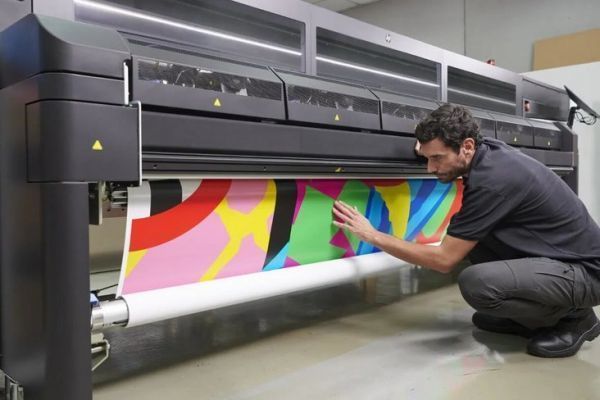

The world of digital printing has seen remarkable progress in recent years, especially with the evolution of latex ink chemistry. These innovations are transforming how print providers approach sustainability, color quality, and substrate versatility. As businesses and consumers alike demand greener solutions and sharper results, the science behind latex inks continues to push boundaries, offering new opportunities for the print industry.
Understanding the latest breakthroughs in this area is crucial for anyone involved in printing, packaging, or graphic production. Whether you’re a print shop owner, designer, or simply interested in eco-friendly technologies, exploring the chemistry behind modern latex inks reveals why they are quickly becoming the standard for a wide range of applications.
For those seeking more sustainable print practices, our guide to solvent-free printing processes offers practical insights into alternatives that complement the latest latex ink technologies.
Understanding the Science Behind Latex Ink Formulations
At the core of recent advancements in latex ink chemistry is the development of water-based dispersions that replace traditional solvent-based systems. Latex inks are composed of pigment particles suspended in water, stabilized by polymer latexes. When printed and heated, the water evaporates, and the latex particles coalesce, forming a durable film that adheres to a wide variety of surfaces.
Key components in these formulations include:
- Polymer latexes: These are the backbone, providing flexibility and adhesion.
- Pigments: High-performance pigments deliver vibrant, fade-resistant colors.
- Additives: Surfactants, humectants, and coalescing agents optimize printability and drying speed.
Modern latex inks are engineered to balance rapid drying with excellent durability. The result is a print that resists scratching, water, and UV exposure, making it suitable for both indoor and outdoor applications.
Key Innovations Driving Modern Latex Ink Performance
Several breakthroughs in latex ink chemistry have enabled manufacturers to meet the growing demands of the print market. Some of the most impactful innovations include:
- Enhanced pigment encapsulation: New encapsulation techniques improve pigment dispersion, resulting in smoother gradients and more consistent color reproduction.
- Lower curing temperatures: Advances in polymer design have reduced the energy required for ink curing, allowing for printing on heat-sensitive materials without compromising adhesion or finish.
- Eco-friendly additives: The shift toward biodegradable and non-toxic additives further reduces the environmental impact of latex inks.
- Improved scratch and chemical resistance: Modern formulations offer greater resilience, extending the lifespan of printed graphics even in demanding environments.
These improvements make latex inks a compelling choice for signage, wall coverings, vehicle wraps, and textiles, among many other uses.
Environmental Benefits and Sustainability Factors
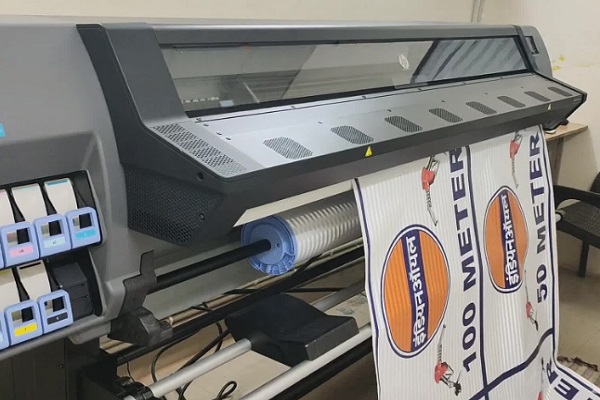
One of the most significant advantages of the latest latex ink chemistry developments is their positive impact on the environment. Unlike solvent-based inks, latex formulations emit extremely low levels of volatile organic compounds (VOCs), making them safer for operators and end-users. This reduction in harmful emissions aligns with global efforts to create more sustainable manufacturing processes.
Additional sustainability benefits include:
- Water-based composition: Reduces the need for hazardous chemicals and simplifies clean-up.
- Recyclable prints: Many substrates printed with latex inks can be recycled, supporting circular economy initiatives.
- Odorless output: Prints are suitable for sensitive environments such as schools, hospitals, and retail spaces.
For companies seeking to minimize their ecological footprint, latex ink technology offers a practical path forward. Those interested in related sustainable packaging innovations may also find value in exploring innovations in oxygen scavenger labels for extended shelf life.
Applications and Compatibility with Modern Substrates
The versatility of today’s latex inks is a direct result of ongoing research into polymer and pigment interactions. These inks are now compatible with a broader range of substrates than ever before, including:
- Paper and cardboard
- Self-adhesive vinyl
- Textiles and fabrics
- Wallcoverings
- Backlit films and banners
Print providers can confidently offer solutions for both rigid and flexible materials, opening new markets and creative possibilities. The ability to print on specialty media without sacrificing quality or durability is a testament to the progress made in latex ink science.
Comparing Latex Ink Chemistry to Other Printing Technologies
Latex inks are often compared to solvent, eco-solvent, and UV-curable inks. Each technology has its strengths, but latex stands out for its balance of performance and environmental responsibility. Here’s how they differ:
| Property | Latex Ink | Solvent/Eco-Solvent | UV-Curable |
|---|---|---|---|
| VOC Emissions | Very Low | Moderate to High | Low |
| Substrate Compatibility | Wide Range | Limited (mainly vinyl) | Wide Range |
| Durability | High | High | Very High |
| Odor | Odorless | Noticeable | Minimal |
| Environmental Impact | Favorable | Less Favorable | Moderate |
For a deeper dive into specialty printing methods, see our article on what is sublimation printing for specialty packaging.
Future Directions and Ongoing Research
The pace of innovation in latex ink chemistry shows no signs of slowing. Researchers are exploring new polymer blends, pigment technologies, and curing methods to further enhance print quality and sustainability. Some areas of active development include:
- Bio-based polymers to reduce reliance on petroleum-derived materials
- Smart additives for improved printhead maintenance and longer shelf life
- Expanded color gamuts for photographic and fine art reproduction
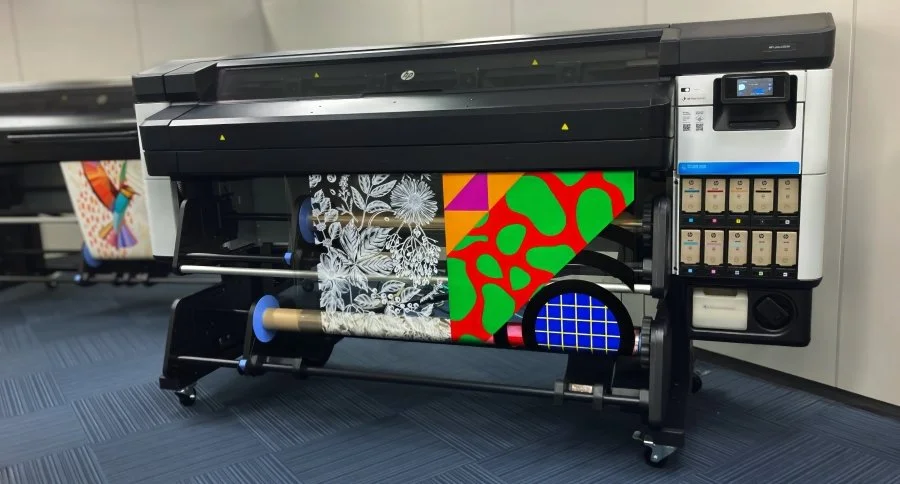
Industry leaders like HP are at the forefront, regularly updating their latex printing technology to meet evolving market needs.
Frequently Asked Questions
What makes latex inks more environmentally friendly than solvent-based inks?
Latex inks are water-based and emit very low levels of VOCs, making them safer for both operators and the environment. They also use fewer hazardous chemicals and are often compatible with recyclable substrates.
Can latex inks be used on all types of materials?
Modern latex inks are formulated to work on a wide variety of substrates, including paper, vinyl, textiles, and specialty films. However, it’s always best to check compatibility with specific materials before large-scale production.
How do latex inks compare in durability to other ink types?
Latex inks offer excellent durability, including resistance to scratching, water, and UV exposure. They are well-suited for both indoor and outdoor applications, often matching or exceeding the performance of solvent and UV-curable inks.
Conclusion
The ongoing evolution of latex ink chemistry is reshaping the print industry by delivering vibrant, durable, and eco-conscious results. As research continues, print providers and end-users can expect even greater performance, versatility, and sustainability from future generations of latex inks. Staying informed about these innovations ensures you can make the best choices for your printing needs and environmental goals.