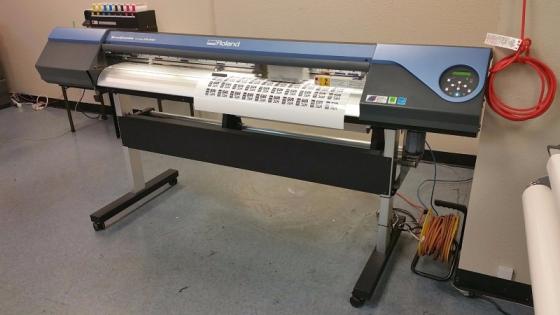

The landscape of eco solvent printing market trends is evolving rapidly as sustainability, print quality, and cost-effectiveness become top priorities for businesses and print service providers. Over the next two years, the sector is expected to see significant shifts driven by new technologies, changing customer preferences, and stricter environmental regulations. Understanding these developments is essential for anyone involved in large-format printing, packaging, signage, or advertising.
This article explores the most important changes shaping the eco solvent printing sector, including advances in ink chemistry, equipment upgrades, and the increasing demand for greener solutions. For those interested in related sustainable print methods, our guide to solvent-free printing processes provides practical insights into alternatives and complementary technologies.
Key Drivers Behind the Growth of Eco Solvent Printing
Several factors are fueling the expansion of eco solvent printing market trends for 2024 and 2025. The push for reduced environmental impact is one of the most significant. Eco solvent inks emit fewer volatile organic compounds (VOCs) compared to traditional solvent inks, making them a preferred choice for indoor and outdoor applications where air quality and safety are concerns.
Additionally, the versatility of eco solvent printers—capable of handling a wide range of substrates including vinyl, canvas, and banner materials—has broadened their appeal. As businesses seek more sustainable and flexible print solutions, manufacturers are responding with equipment that offers improved efficiency, lower energy consumption, and enhanced print resolution.
Technological Innovations Shaping the Sector
Recent advancements are transforming the capabilities of eco solvent printers. Modern machines now feature faster print speeds, automated maintenance routines, and improved color management systems. These upgrades not only reduce downtime but also ensure consistent, high-quality output.
Ink formulations have also seen notable progress. Newer eco solvent inks offer greater scratch resistance, longer outdoor durability, and a wider color gamut. This makes them suitable for demanding applications such as vehicle wraps, outdoor signage, and exhibition graphics. These innovations are helping businesses meet customer expectations for both sustainability and performance.
Emerging Applications and Market Segments
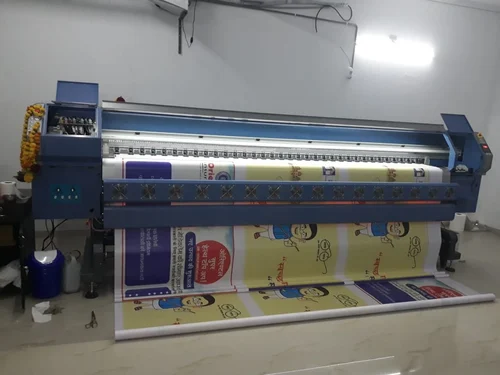
The adoption of eco solvent printing is expanding beyond traditional signage and banners. In 2024 and 2025, expect to see increased use in packaging, custom wallpaper, floor graphics, and specialty labels. The ability to print on diverse materials without compromising environmental standards is opening new revenue streams for print shops and packaging converters.
For those interested in advanced print quality on unconventional substrates, learning how to achieve photographic quality on corrugated flutes can provide a competitive edge, especially as brands seek unique packaging solutions.
Environmental Regulations and Sustainability Initiatives
Governments and industry bodies worldwide are implementing stricter environmental regulations, particularly regarding VOC emissions and waste management. Eco solvent technology is well-positioned to help businesses comply with these requirements. Many manufacturers are also introducing recycling programs for ink cartridges and offering printers with lower power consumption.
Print buyers are increasingly prioritizing sustainability in their procurement decisions. Certifications and eco-labels are becoming important differentiators, encouraging print service providers to adopt greener practices and promote their environmental credentials.
Competitive Landscape and Market Outlook
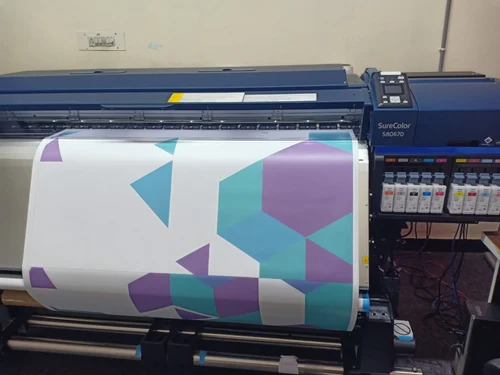
The competitive environment is intensifying as established brands and new entrants vie for market share. Companies are differentiating themselves through innovation, customer service, and sustainability initiatives. Strategic partnerships between printer manufacturers, ink suppliers, and media producers are becoming more common, resulting in integrated solutions that streamline workflows and enhance print quality.
According to industry analysts, the demand for eco-friendly printing solutions will continue to rise, with Asia-Pacific and North America leading the way. The growth is supported by investments in infrastructure, increased awareness of environmental issues, and the expanding range of applications for eco solvent technology.
Benefits of Adopting Eco Solvent Printing Solutions
Businesses that embrace eco solvent printing benefit from several key advantages:
- Reduced environmental impact due to lower VOC emissions and safer ink formulations.
- Enhanced versatility for printing on a wide variety of materials, both indoor and outdoor.
- Cost savings through improved ink efficiency and reduced maintenance requirements.
- High-quality, durable prints that meet the demands of modern marketing and branding.
For a deeper look at the advantages, see this overview of the major benefits of eco solvent printers, which covers technical, operational, and environmental perspectives.
Challenges and Considerations for 2024–2025
Despite the many benefits, there are challenges to consider. Initial investment costs for advanced eco solvent printers can be higher than for conventional models. Additionally, while eco solvent inks are less hazardous, proper handling and disposal are still necessary to maintain compliance and workplace safety.
Another consideration is the pace of technological change. Print service providers must stay informed about the latest developments to remain competitive and avoid obsolescence. Ongoing training and investment in new equipment may be required to fully leverage the latest features and capabilities.
Integrating Eco Solvent Printing With Other Sustainable Practices
Many businesses are combining eco solvent technology with other sustainable printing methods to further reduce their environmental footprint. For example, integrating digital workflows, using recycled substrates, and optimizing print runs can all contribute to greener operations. Those exploring the future of print and packaging aesthetics may also find value in the latest trends in futuristic and sci-fi packaging aesthetics, which often intersect with sustainability goals.
FAQ
What makes eco solvent printing more sustainable than traditional solvent printing?
Eco solvent inks are formulated with milder solvents that emit fewer VOCs, making them safer for operators and the environment. They also allow for printing in less-ventilated spaces and are often compatible with recyclable or biodegradable substrates.
Are eco solvent prints as durable as those produced with standard solvent inks?
Yes, modern eco solvent inks offer excellent durability, including resistance to UV light, water, and abrasion. They are suitable for both indoor and outdoor applications, with lifespans comparable to traditional solvent prints.
How can businesses transition to eco solvent printing?
Transitioning involves evaluating current equipment, researching compatible printers and inks, and training staff on new workflows. Many suppliers offer trade-in programs and technical support to help businesses make the switch smoothly and efficiently.
Can eco solvent technology be used for specialty packaging?
Absolutely. The flexibility of eco solvent printers makes them ideal for custom labels, flexible packaging, and even specialty substrates. For more information on specialty packaging techniques, explore our article on what is sublimation printing for specialty packaging.
Conclusion
The next two years will be pivotal for the eco solvent printing sector as sustainability, innovation, and market demand continue to shape its direction. By staying informed about the latest eco solvent printing market trends, businesses can position themselves for growth, meet evolving customer expectations, and contribute to a more sustainable future for the print industry.