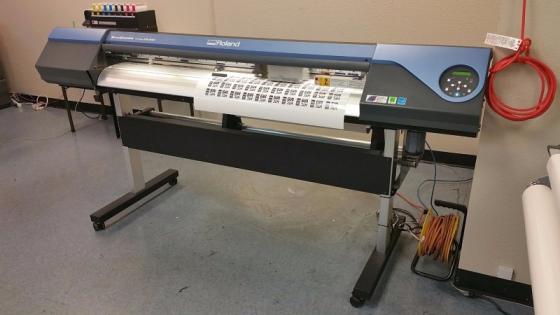

Eco solvent inks have become a popular choice in the printing industry, especially for those seeking more environmentally friendly solutions. As businesses and individuals look for alternatives to traditional solvent inks, questions often arise about the safety of these newer options. Understanding how safe is eco solvent ink for everyday use is essential for anyone involved in printing, signage, or even home-based creative projects.
In this article, we’ll explore the composition of eco solvent inks, their health and environmental impact, and the best practices for safe handling. We’ll also compare them with other ink types and address common concerns, helping you make informed decisions for your workspace or business.
For those interested in advanced print quality, you may also want to read our guide on how to achieve photographic quality on corrugated flutes.
Understanding Eco Solvent Ink Composition
Eco solvent inks are formulated with a blend of mild, biodegradable solvents and pigments. Unlike traditional solvent inks, which use aggressive chemicals, these alternatives are designed to reduce harmful emissions and odors. The main ingredients typically include:
- Mild organic solvents (often derived from plant sources)
- Pigments for color
- Resins and additives for adhesion and durability
This composition allows eco solvent inks to bond well with a variety of substrates while minimizing the release of volatile organic compounds (VOCs). As a result, they are often marketed as a safer and greener option for both indoor and outdoor printing applications.
Health and Safety Considerations for Daily Use
One of the most common questions is how safe is eco solvent ink when used regularly in offices, print shops, or homes. Compared to traditional solvent inks, eco solvent varieties emit significantly fewer VOCs, which are known to cause respiratory irritation and other health issues with prolonged exposure.
Key safety advantages include:
- Lower odor: Eco solvent inks produce minimal smell, making them suitable for indoor environments.
- Reduced toxicity: The solvents used are less aggressive, lowering the risk of acute health effects.
- Minimal skin and eye irritation: While direct contact should still be avoided, the risk is lower than with harsher chemicals.
Despite these benefits, it’s important to follow standard safety practices. Always use inks in well-ventilated areas, wear gloves when handling cartridges or refills, and avoid ingesting or inhaling ink particles. Proper storage and disposal are also crucial to prevent accidental exposure.
Environmental Impact and Indoor Air Quality
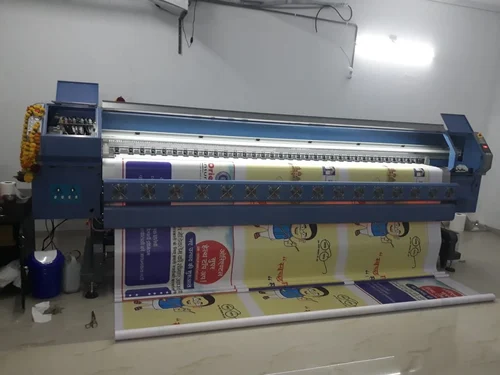
Eco solvent inks are often chosen for their reduced environmental footprint. Their biodegradable solvents break down more easily, and the lower VOC content means less air pollution during printing. This is particularly important for print shops located in urban areas or within buildings where ventilation may be limited.
Using these inks can help maintain better indoor air quality, which is beneficial for both workers and customers. However, it’s still recommended to use air filtration systems or open windows when operating large-format printers for extended periods.
For those looking to further minimize environmental impact, consider exploring solvent-free options as discussed in our practical guide to solvent-free printing processes.
Comparing Eco Solvent to Other Ink Types
When evaluating how safe is eco solvent ink compared to other printing technologies, it helps to look at the alternatives:
| Ink Type | VOC Emissions | Odor | Indoor Suitability | Typical Use |
|---|---|---|---|---|
| Traditional Solvent | High | Strong | Poor | Outdoor banners, billboards |
| Eco Solvent | Low | Mild | Good | Indoor/outdoor signage, decals |
| Water-Based | Very Low | Minimal | Excellent | Posters, fine art, packaging |
| UV-Curable | Low | Minimal | Good | Rigid substrates, specialty prints |
Eco solvent inks strike a balance between durability and safety, making them a practical choice for many applications. While water-based inks are the safest for indoor use, they may not offer the same outdoor longevity as eco solvent formulations.
Best Practices for Safe Handling and Use
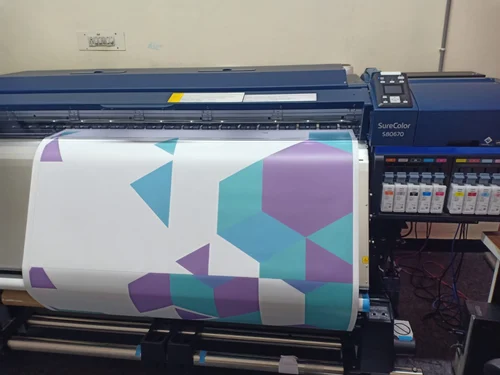
Even though eco solvent inks are safer than traditional alternatives, following proper handling procedures is key to maintaining a healthy workspace. Here are some practical tips:
- Ventilation: Ensure your printing area is well-ventilated, especially during long print runs.
- Personal protective equipment: Wear gloves when changing ink cartridges or cleaning spills.
- Storage: Keep ink containers tightly sealed and store them away from direct sunlight and heat sources.
- Disposal: Follow local regulations for disposing of ink cartridges and waste.
- Spill response: Clean up any spills promptly with appropriate materials and avoid skin contact.
By adhering to these practices, you can further reduce any potential risks associated with daily use of eco solvent inks.
Benefits Beyond Safety
Aside from health and environmental considerations, eco solvent inks offer several practical advantages. They are known for their strong color vibrancy, excellent durability, and compatibility with a wide range of media. This makes them ideal for producing long-lasting graphics, vehicle wraps, and indoor displays.
For a deeper look at the advantages, you can check out this overview of the major benefits of eco solvent printers.
As technology evolves, eco solvent inks continue to improve in terms of both performance and safety, making them a reliable choice for businesses and hobbyists alike.
Frequently Asked Questions
Are eco solvent inks safe for use in homes or schools?
Yes, eco solvent inks are generally considered safe for use in well-ventilated home or educational environments. Their low VOC emissions and mild odor make them suitable for indoor applications, but it’s still important to follow basic safety guidelines and supervise use around children.
Can eco solvent ink cause allergic reactions?
Allergic reactions to eco solvent inks are rare, but possible, especially for individuals with chemical sensitivities. Wearing gloves and avoiding direct skin contact can help minimize any risk. If irritation occurs, discontinue use and consult a healthcare professional.
How do eco solvent inks compare to water-based inks in terms of safety?
Water-based inks are typically the safest option, as they contain minimal solvents and emit virtually no VOCs. However, eco solvent inks offer a good compromise between safety and outdoor durability, making them a practical choice for many commercial and creative projects.
Conclusion
Eco solvent inks represent a significant step forward in balancing print quality, durability, and safety. While no chemical product is entirely risk-free, these inks are designed to minimize health hazards and environmental impact. By understanding their composition, following safe handling practices, and staying informed about the latest developments, users can confidently incorporate eco solvent inks into their daily routines—whether in a busy print shop or a creative home studio.