
As digital printing continues to evolve, many businesses and creative professionals are exploring new ways to produce vibrant, durable prints on a variety of surfaces. One common question is whether eco solvent ink is suitable for printing on fabric materials. Understanding the compatibility, benefits, and limitations of this ink type is crucial for anyone considering textile printing, whether for banners, apparel, or promotional items.
This article provides a practical overview of how eco solvent inks interact with different fabrics, what results you can expect, and how this technology compares to other textile printing solutions. For those interested in broader applications, you can also learn more in our eco solvent ink large format printing guide.
Understanding Eco Solvent Ink Technology
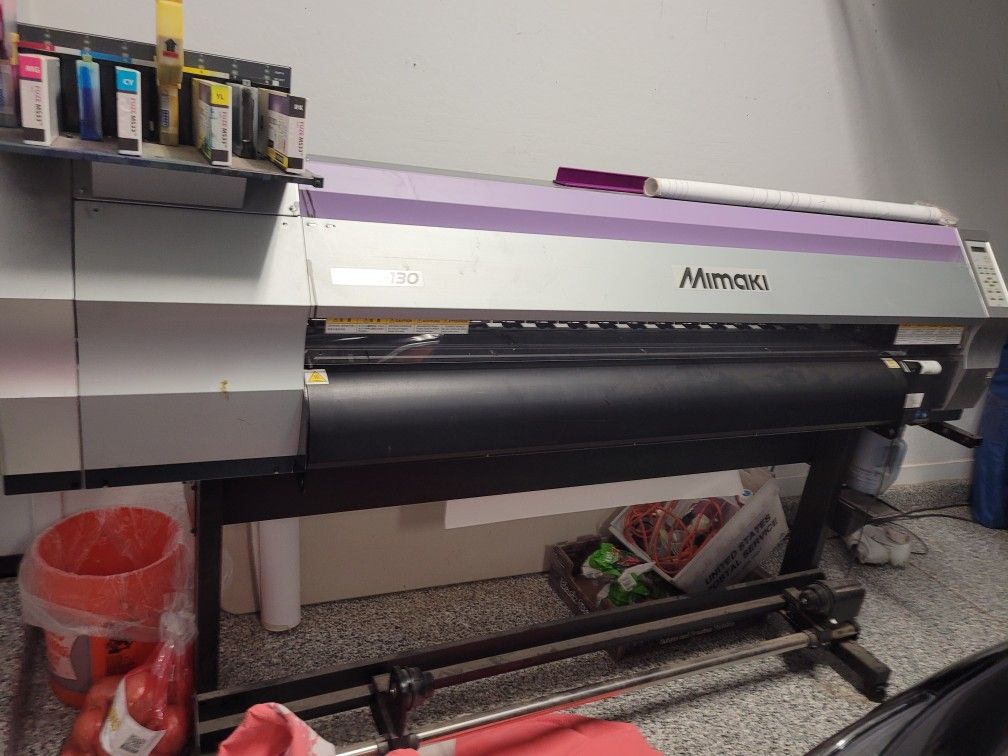
Before diving into textile applications, it’s important to know what sets eco solvent ink apart. These inks are formulated with mild, biodegradable solvents that emit fewer volatile organic compounds (VOCs) than traditional solvent inks. This makes them a more environmentally friendly option for wide-format and commercial printing.
Eco solvent inks are primarily designed for use with coated substrates such as vinyl, banners, and certain plastics. Their popularity stems from their ability to produce sharp, vivid images while being less harmful to the environment and safer for indoor use.
How Eco Solvent Ink Interacts with Fabric Materials
The main concern when considering can eco solvent ink print on fabric is the ink’s ability to adhere and remain durable on textile fibers. Unlike dye-sublimation or direct-to-garment (DTG) inks, eco solvent formulations are not specifically engineered for natural fabrics like cotton or silk. Instead, they work best on synthetic materials that have been specially coated to accept solvent-based inks.
Here’s a closer look at how this ink performs on various fabric types:
- Coated Polyester: Many printable textiles for banners and displays are polyester-based and coated to accept eco solvent inks. The coating allows for good color reproduction and durability, making these fabrics suitable for indoor and outdoor signage.
- Uncoated Fabrics: On untreated cotton, linen, or other natural fibers, eco solvent ink tends to sit on the surface and may not bond well. This can lead to poor washability and fading.
- Specialty Fabrics: Some manufacturers offer textiles with a solvent-receptive layer, expanding the possibilities for printing with eco solvent inks. Always check material specifications before printing.
Advantages of Using Eco Solvent Ink on Textiles
While not traditionally used for garment printing, eco solvent ink does offer some unique benefits for fabric applications, especially in the signage and display market:
- Vivid Colors: The ink produces sharp, high-contrast images on compatible fabrics, making it ideal for banners, flags, and soft signage.
- Weather Resistance: Prints made with eco solvent ink on coated textiles are generally resistant to water and UV exposure, suitable for outdoor use.
- Eco-Friendly: Lower VOC emissions make this ink a more sustainable choice compared to traditional solvent inks.
- Versatility: With the right substrate, eco solvent printers can handle a range of flexible materials beyond just paper or vinyl.
For a deeper dive into the technical side of calibration and achieving optimal print quality, see our eco solvent ink print calibration resource.
Limitations and Considerations for Fabric Printing
Despite its advantages, there are important limitations to keep in mind when using eco solvent ink for textile printing:
- Material Compatibility: Only fabrics with a solvent-receptive coating will yield durable, high-quality results. Printing on uncoated textiles can result in poor ink adhesion and rapid fading.
- Wash Durability: Even on coated fabrics, prints may not withstand repeated washing as well as those produced with dye-sublimation or DTG methods.
- Hand Feel: The ink can leave a noticeable layer on the fabric surface, which may affect softness and flexibility.
- Limited Apparel Use: For clothing and items that require frequent washing, other printing technologies are generally preferred.
Best Practices for Printing on Fabric with Eco Solvent Ink
To achieve the best possible results when using eco solvent ink on textiles, consider the following recommendations:
- Select the Right Fabric: Always choose fabrics specifically coated for solvent ink compatibility. Consult with your supplier to ensure the material is suitable for your printer and ink type.
- Test Before Production: Run test prints on a small section of the fabric to evaluate color vibrancy, adhesion, and wash resistance.
- Optimize Printer Settings: Adjust print profiles, temperature, and drying times to match the fabric’s characteristics. For workflow tips, check our eco solvent ink rip workflow guide.
- Post-Processing: Some prints may benefit from additional heat-setting or lamination to improve durability.
Applications and Industry Use Cases
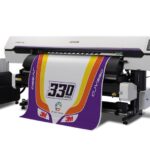
The use of eco solvent ink on textiles is most common in the production of soft signage, trade show graphics, and custom banners. These applications take advantage of the ink’s weather resistance and color quality on coated polyester fabrics. For industrial and commercial uses, our eco solvent ink industrial applications and eco solvent ink commercial printing articles provide further insights.
For a broader perspective on the benefits and practical uses of this technology in advertising and backlit displays, see this in-depth overview of eco solvent printing for backlit banner fabric.
FAQ: Eco Solvent Ink and Textile Printing
What fabrics are compatible with eco solvent ink?
The best results are achieved on polyester-based textiles that have a special coating designed to accept solvent inks. Uncoated natural fabrics like cotton or silk are generally not suitable, as the ink may not adhere well or withstand washing.
Is eco solvent ink suitable for printing on t-shirts?
While technically possible with coated synthetic fabrics, eco solvent ink is not recommended for t-shirts or garments that require frequent washing. Direct-to-garment or dye-sublimation printing typically offers better wash durability and a softer feel.
How durable are eco solvent prints on fabric?
On properly coated textiles, prints are resistant to water and UV exposure, making them suitable for banners and displays. However, wash resistance is limited compared to other textile printing methods, so these prints are better suited for signage than for apparel.
Can eco solvent ink be used for outdoor fabric banners?
Yes, when printed on coated polyester fabrics, eco solvent ink produces durable, weather-resistant graphics ideal for outdoor banners and flags.
Conclusion
Eco solvent ink offers a practical solution for printing on certain fabric materials, particularly those designed for signage and display. The key to success lies in choosing the right coated textiles and understanding the limitations regarding washability and hand feel. For most apparel and uncoated fabrics, alternative printing technologies remain the preferred choice. By following best practices and selecting compatible materials, you can achieve vibrant, long-lasting prints for a range of soft signage and promotional applications.