

The world of large-format printing has evolved rapidly, with latex technology emerging as a leading choice for businesses and creatives who demand vibrant, accurate color reproduction. One of the most crucial aspects to consider when evaluating print quality is the color gamut in latex printing. This term refers to the range of colors that a latex printer can produce, directly impacting the visual impact and fidelity of printed graphics.
Whether you’re producing signage, fine art, or packaging prototypes, understanding how color gamut works in latex-based systems helps you achieve consistent, high-quality results. This article explores the science behind color reproduction in latex printers, practical considerations for maximizing color output, and how these factors compare to other printing technologies.
For those interested in related innovations, our article on what is digital prototyping for packaging offers insights into how digital workflows are transforming print production.
What Is Color Gamut and Why Does It Matter?
In printing, color gamut describes the subset of colors that a device—like a latex printer—can reproduce. The broader the gamut, the more vivid and accurate the output. This is especially important for applications requiring brand color consistency, photo-realistic graphics, or high-impact visuals.
Latex printers use water-based inks that are cured with heat, offering a unique combination of environmental friendliness and color vibrancy. However, the achievable gamut depends on several factors, including ink formulation, media type, and printer calibration.
How Latex Printing Technology Influences Color Range
The color gamut in latex printing is shaped by the interaction between latex inks and the chosen substrate. Unlike solvent or UV-curable inks, latex inks sit closer to the surface of the media, allowing for more light reflection and, in many cases, a wider range of visible colors.
Key factors affecting color range in latex printing include:
- Ink Chemistry: Modern latex inks are engineered for high pigment density, which helps achieve deeper reds, blues, and greens.
- Media Compatibility: The type of paper, vinyl, fabric, or specialty substrate can enhance or limit the achievable color spectrum.
- Printer Calibration: Regular color profiling and calibration ensure that the printer operates at its maximum color potential.
- Print Modes: Higher resolution and multi-pass printing can increase color accuracy and smooth gradients.
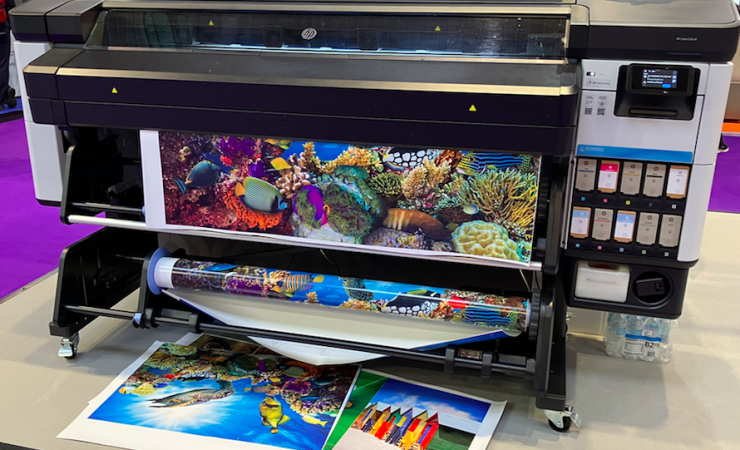
Comparing Latex Color Gamut to Other Print Technologies
When evaluating latex against other print methods, it’s helpful to consider how the color range stacks up:
- Solvent Printers: These can sometimes achieve slightly broader gamuts, especially on uncoated media, but may lack the eco-friendliness and odor-free operation of latex.
- UV-Curable Printers: UV systems offer excellent color vibrancy on rigid substrates, but latex often outperforms on flexible media and textiles.
- Aqueous Inkjet: Traditional water-based inkjets can produce a wide gamut on coated papers, but latex offers better durability and versatility across substrates.
For a deeper dive into the science behind latex technology, see this comprehensive explanation of latex printing.
Maximizing Color Gamut in Your Latex Prints
To get the most from your latex printer, consider these practical steps:
- Use ICC Profiles: Always use the correct ICC color profiles for your printer, ink, and media combination. This ensures accurate color mapping and maximizes the available gamut.
- Monitor Calibration: Regularly calibrate your monitor using a dedicated device. This helps ensure what you see on screen matches your final output.
- Printer Maintenance: Keep your printer in top condition with routine cleaning and software updates to maintain color consistency.
- Test Swatches: Print color charts to visually confirm the range and accuracy of colors before running large jobs.

Applications That Benefit from Wide Color Gamut in Latex Printing
A broad color range is especially valuable in industries where color accuracy and vibrancy are critical. Some key applications include:
- Retail Graphics: Vivid point-of-sale displays and window graphics demand precise color matching to attract attention.
- Fine Art Reproduction: Artists and photographers rely on latex printing for faithful reproduction of subtle tones and gradients.
- Brand Packaging Prototypes: Accurate color is essential for packaging mockups, especially for global brands with strict guidelines. For more on this, see our article on the benefits of cloud-based color management.
- Interior Décor: Wallpaper, textiles, and custom furnishings benefit from the flexibility and color fidelity of latex technology.
Challenges and Considerations
While latex printing offers impressive color capabilities, there are some challenges to keep in mind:
- Media Limitations: Not all substrates are optimized for latex inks. Always test new materials before committing to a full run.
- Environmental Factors: Humidity and temperature in the print environment can affect ink curing and color consistency.
- Cost of Calibration: Investing in calibration tools and color management software is essential for maintaining a wide and accurate gamut.
Staying updated on the latest techniques and technologies, such as what is holographic lamination, can further enhance your print offerings.
Frequently Asked Questions
How does latex printing achieve a wide color gamut?
Latex printers use advanced ink formulations and precise curing technology to produce a broad spectrum of colors. The water-based latex inks sit close to the media surface, allowing for greater light reflection and more vibrant hues compared to some other ink types.
Can latex printers match brand colors accurately?
Yes, with proper calibration and the use of ICC profiles, latex printers can closely match most brand colors. It’s important to use high-quality media and maintain your equipment for the best results.
What types of media work best for maximizing color range?
Coated papers, vinyl, and specialty textiles designed for latex inks typically provide the widest color gamut. Always consult your printer’s media guide and perform test prints to ensure compatibility.
Is latex printing environmentally friendly compared to solvent or UV?
Latex inks are water-based and contain fewer volatile organic compounds (VOCs) than solvent or UV-curable inks, making them a more environmentally responsible choice for many applications.
Conclusion
Mastering the color gamut in latex printing is essential for anyone seeking to produce high-impact, color-accurate graphics. By understanding the factors that influence color range and implementing best practices in calibration and media selection, you can unlock the full potential of your latex printer. For those exploring additional advancements in print technology, topics like what is electron beam curing in printing and how to design packaging for Gen Z consumers offer further insights into the evolving landscape of digital print.