The evolution of latex printing technology has transformed the landscape of wide-format digital printing. As new generations of latex printers have emerged, print providers and businesses have gained access to improved print quality, faster production speeds, and more sustainable solutions. Understanding the distinctions between these generations is essential for anyone considering an upgrade or seeking to optimize their print operations.
In this article, we’ll be comparing latex printing generations to highlight the key advancements, practical differences, and the impact these changes have on workflow, cost, and output. Whether you’re managing a print shop or evaluating new equipment, knowing how each generation stacks up can help you make informed decisions.
For those interested in related innovations, you may also want to explore what is digital prototyping for packaging and how it’s speeding up production cycles in the print industry.
Understanding the Evolution of Latex Printing
Latex printing was introduced as an alternative to solvent and UV-curable ink technologies, offering a water-based, odorless, and more environmentally friendly solution. Over the years, manufacturers have released several generations of latex printers, each bringing new features and improvements. The main areas of advancement include ink formulation, printhead technology, drying systems, and media compatibility.
The earliest latex printers focused on delivering eco-friendly prints with reduced volatile organic compounds (VOCs). Subsequent generations have built on this foundation, pushing the boundaries of speed, color accuracy, and substrate versatility.
Key Differences Between Latex Printer Generations
When comparing latex printing generations, it’s helpful to break down the main differences across several categories:
- Print Quality: Later generations deliver higher resolution, smoother gradients, and more vibrant colors due to improved printhead design and ink chemistry.
- Production Speed: Newer models offer faster throughput, enabling higher volumes without sacrificing quality.
- Media Versatility: Each generation expands the range of compatible substrates, from vinyl and textiles to specialty films and papers.
- Environmental Impact: Advancements in ink formulation and curing systems have reduced energy consumption and improved recyclability.
- Ease of Use: Modern latex printers feature automated maintenance, intuitive interfaces, and remote monitoring capabilities.
First Generation: Laying the Foundation
The initial wave of latex printers introduced water-based latex inks as a safer alternative to solvent-based systems. These early machines were praised for their reduced odor and lower environmental footprint. However, they had some limitations:
- Slower print speeds compared to solvent printers
- Limited media compatibility, especially with heat-sensitive materials
- Basic color gamut and resolution
Despite these challenges, first-generation latex printers set the stage for a shift toward greener printing and opened the door for future innovation.
Second Generation: Enhanced Performance and Flexibility
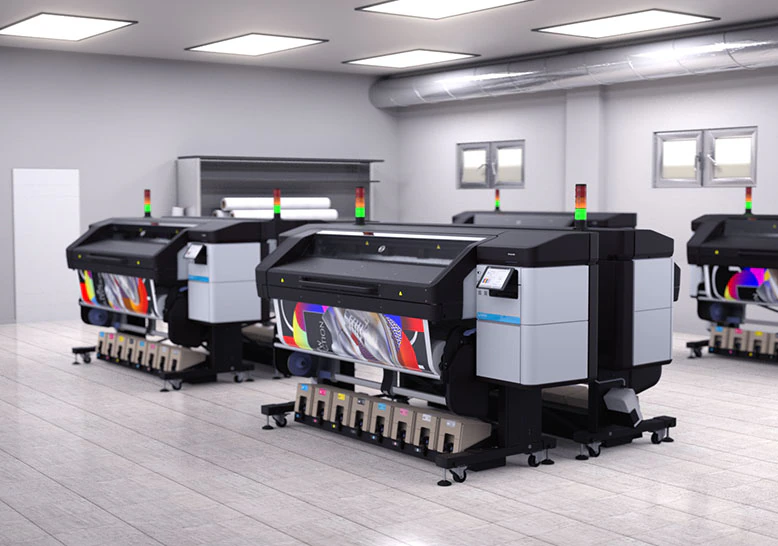
The second generation of latex printers addressed many of the shortcomings of their predecessors. Key improvements included:
- Faster drying and curing, allowing for increased print speeds
- Expanded media support, including more delicate and heat-sensitive substrates
- Wider color gamut and improved image sharpness
- Reduced maintenance requirements and longer printhead life
These advancements made latex printing more competitive with established technologies, especially for applications like vehicle wraps, wall coverings, and outdoor signage.
Third Generation and Beyond: Smart Printing and Sustainability
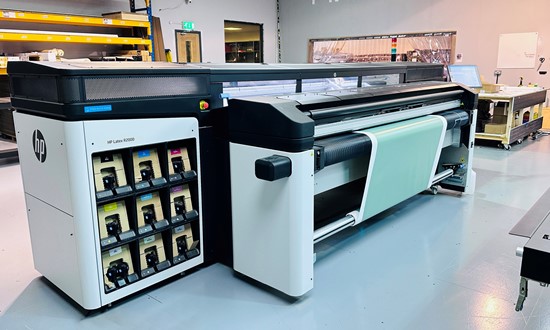
The latest latex printers incorporate smart features and further sustainability enhancements. Some of the most notable developments include:
- Automated calibration and color management for consistent results
- Remote monitoring and predictive maintenance tools
- Even lower energy consumption and recyclable ink cartridges
- Support for a broader range of eco-certified media
- Advanced printhead technology for ultra-fine detail and smooth gradients
These innovations have made latex printing a top choice for businesses prioritizing environmental responsibility and operational efficiency. For a deeper dive into color management, see our article on the benefits of cloud-based color management for global brands.
How to Choose the Right Latex Printer Generation
Selecting the best latex printer depends on your business needs, application types, and budget. Here are some factors to consider when evaluating different generations:
- Volume Requirements: High-volume shops benefit from newer models with faster speeds and automation.
- Media Types: If you print on a wide variety of substrates, later generations offer greater flexibility.
- Sustainability Goals: The latest printers are the most energy-efficient and support more eco-friendly materials.
- Budget: Older models may be more affordable but could lack advanced features and efficiency.
- Support and Maintenance: Consider the availability of service and spare parts for older machines.
For a side-by-side look at how latex compares with other technologies, see this detailed comparison of latex vs. UV printing.
Applications and Industry Impact
The ongoing improvements in latex printing have expanded its use across multiple sectors:
- Retail graphics and point-of-sale displays
- Outdoor and indoor signage
- Textile and soft signage
- Vehicle graphics and wraps
- Wallpaper and décor
As print buyers increasingly demand sustainable and high-quality solutions, the latest latex printers are well-positioned to meet these expectations. For those interested in specialty finishing, you might also want to learn about what is holographic lamination and its role in creating eye-catching print effects.
Comparing Latex Printing Generations: Summary Table
| Generation | Key Features | Best For |
|---|---|---|
| First | Eco-friendly, basic color, limited media, slower speeds | Entry-level, low-volume, basic signage |
| Second | Faster, wider color gamut, more media options | General signage, wraps, higher volume |
| Third & Later | Smart features, best color, automation, sustainability | High-volume, demanding color, eco-conscious brands |
Frequently Asked Questions
What are the main advantages of newer latex printer generations?
Newer latex printers offer improved print quality, faster production, greater media compatibility, and enhanced sustainability. They often include smart features like automated calibration and remote monitoring, reducing manual intervention and downtime.
Is it worth upgrading from an older latex printer?
Upgrading can be worthwhile if you need higher productivity, better color accuracy, or want to expand your range of printable materials. The latest models also help reduce energy costs and environmental impact, which can be important for meeting customer and regulatory demands.
How does latex printing compare to UV printing?
Both technologies have their strengths. Latex printing is known for its eco-friendliness and versatility, while UV printing excels with rigid substrates and instant curing. For a comprehensive analysis, see this comparison of latex and UV printing.
What maintenance is required for modern latex printers?
Modern latex printers are designed for ease of maintenance, with automated cleaning cycles and predictive alerts. Regularly checking ink levels, replacing cartridges, and periodic calibration help ensure consistent performance.
Conclusion
The progression of latex printing generations has brought significant benefits to the print industry, from sustainability to productivity. By understanding the differences between each generation, businesses can choose the right equipment to meet their needs and stay competitive in a rapidly evolving market. For those looking to further enhance their print workflow, exploring topics like what is electron beam curing in printing can provide additional insights into the latest advancements in print technology.