
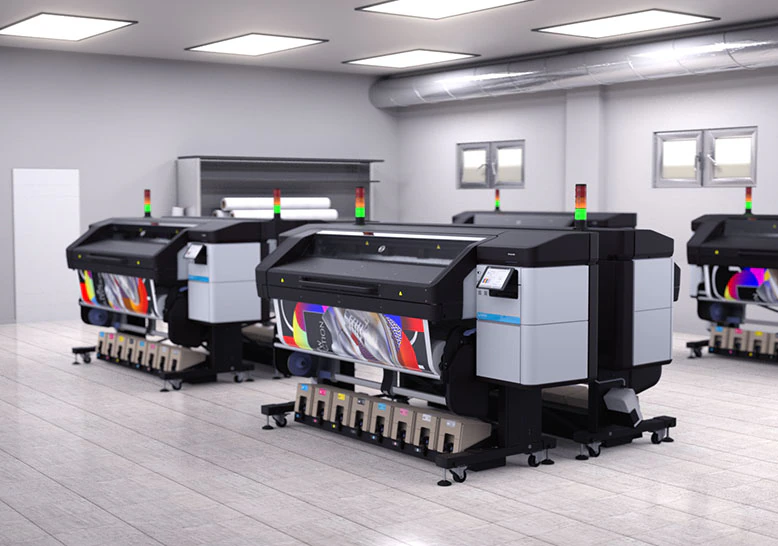

The printing industry is undergoing rapid transformation, and latex technology is at the forefront of this evolution. As sustainability, versatility, and efficiency become top priorities for businesses and print providers, the future of latex printing is attracting significant attention. This article explores the latest developments, market trends, and what lies ahead for latex-based print solutions.
From eco-friendly inks to expanding applications and smarter workflows, latex printing is reshaping how brands approach signage, packaging, and décor. For those interested in related innovations, understanding what is digital prototyping for packaging can further illuminate how print technology is advancing across sectors.
Key Drivers Shaping the Next Era of Latex Printing
Several factors are influencing the direction of latex print technology. Environmental regulations, customer demand for safer materials, and the need for flexible production are all pushing manufacturers to innovate. The adoption of water-based latex inks is a direct response to these pressures, offering lower emissions and reduced odor compared to traditional solvent-based alternatives.
Additionally, the ability to print on a wide range of substrates—from vinyl and textiles to paper and film—makes latex systems highly adaptable. This flexibility is essential for print service providers looking to diversify their offerings and respond quickly to market changes.
Emerging Trends in Latex Printing Technology
As we look ahead, several trends are expected to define the future of latex printing:
- Eco-Conscious Materials: The shift toward sustainable printing is accelerating. Manufacturers are developing recyclable and biodegradable media compatible with latex inks, reducing environmental impact throughout the product lifecycle.
- Automation and Workflow Integration: Modern latex printers are increasingly equipped with smart features, such as automated maintenance, remote monitoring, and seamless integration with design software. These advancements help reduce downtime and improve productivity.
- Expanded Application Range: Latex technology is no longer limited to banners and outdoor signage. It is now used for interior décor, vehicle wraps, wallpaper, and even packaging prototypes, thanks to its versatility and high-quality output.
- Health and Safety Improvements: With water-based formulations and low VOC emissions, latex printing is safer for operators and end-users. This is especially important for indoor graphics and environments with strict air quality standards.
Market Evolution and Growth Opportunities
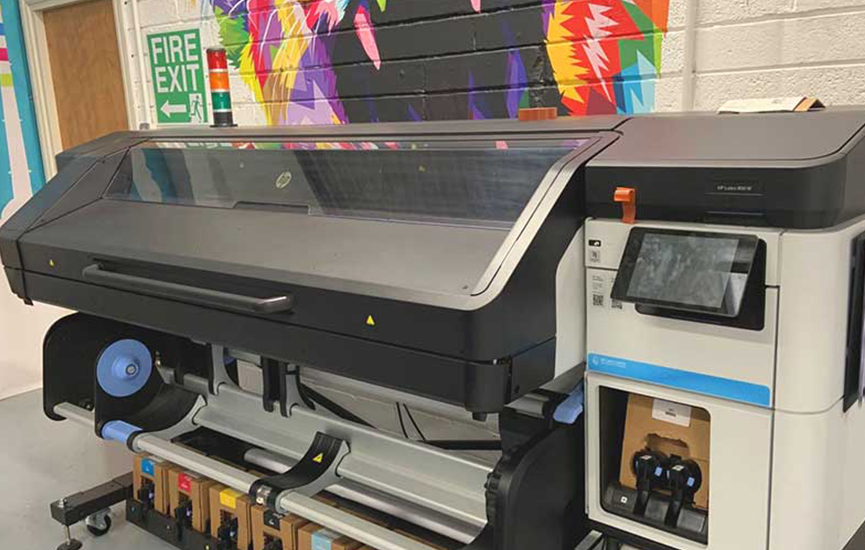
The global market for latex printing is expected to grow steadily over the next decade. According to industry analysts, increased demand for sustainable print solutions and the rise of customized, short-run jobs are fueling this expansion. Print service providers are investing in latex technology to stay competitive and meet evolving customer needs.
In addition to signage and graphics, new sectors are adopting latex printing. For example, the packaging industry is leveraging latex for prototyping and short-run production, while interior designers are using it for custom wall coverings and furnishings. This diversification is opening up fresh revenue streams and helping businesses adapt to changing market dynamics.
Comparing Latex Printing to Other Technologies
When evaluating print technologies, latex stands out for its balance of quality, versatility, and environmental performance. Compared to solvent and UV-curable systems, latex offers faster drying times, reduced odor, and compatibility with a broader range of substrates. While solvent inks may still be preferred for certain outdoor applications, latex is gaining ground due to its safety and sustainability profile.
For a deeper dive into the advantages and drawbacks of latex versus other print methods, the article exploring the pros and cons of latex printing provides a comprehensive overview.
How Sustainability Is Driving Innovation
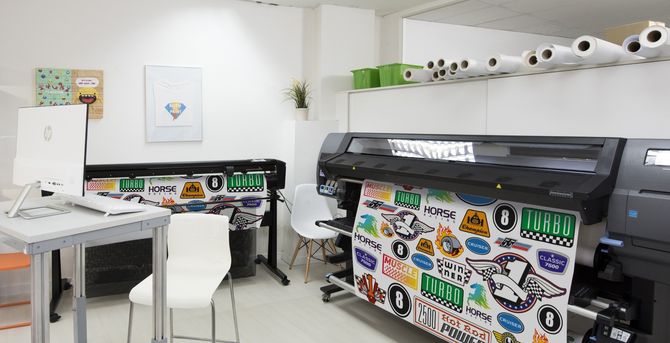
Environmental responsibility is a top concern for both print buyers and producers. Latex printing’s water-based inks and reduced hazardous emissions make it a preferred choice for eco-conscious organizations. Many brands now request certifications such as GREENGUARD or ECOLOGO for their printed materials, which latex technology can help achieve.
Beyond inks, manufacturers are also focusing on energy-efficient hardware and recyclable media. This holistic approach to sustainability is not only good for the planet but also enhances brand reputation and meets regulatory requirements in sensitive markets.
Expanding Applications and Creative Possibilities
The versatility of latex printing is unlocking new creative opportunities. Designers and marketers can experiment with unique textures, finishes, and substrates, from canvas and fabrics to metallic films. This adaptability is especially valuable for producing eye-catching retail displays, event graphics, and custom décor.
For those interested in the intersection of print and packaging, exploring the benefits of cloud-based color management can further enhance color consistency and workflow efficiency in latex environments.
Challenges and Considerations for Adopters
While the outlook for latex printing is positive, there are challenges to consider. Initial investment costs, the need for operator training, and the importance of proper color management can be barriers for some businesses. However, as technology matures and more resources become available, these obstacles are gradually diminishing.
Staying informed about related technologies, such as holographic lamination techniques or electron beam curing in printing, can help print providers make strategic decisions and expand their service offerings.
Frequently Asked Questions
What are the main benefits of latex printing compared to solvent or UV systems?
Latex printing offers several advantages, including water-based inks with low VOC emissions, fast drying times, and compatibility with a wide range of substrates. It is safer for operators and suitable for indoor environments due to minimal odor and reduced hazardous chemicals.
How is sustainability influencing the future of latex printing?
Sustainability is a key driver for innovation in latex technology. Water-based inks, recyclable media, and energy-efficient hardware are helping print providers meet environmental standards and respond to growing consumer demand for eco-friendly products.
What new applications are emerging for latex print technology?
Beyond traditional signage, latex printing is now used for interior décor, custom wallpaper, packaging prototypes, vehicle wraps, and more. Its versatility allows for creative solutions across many industries.
Conclusion: Preparing for the Next Chapter in Latex Printing
The future of latex printing is defined by sustainability, adaptability, and ongoing technological progress. As the market continues to evolve, businesses that embrace these innovations will be well-positioned to meet changing customer expectations and capitalize on new opportunities. Staying informed and investing in the right tools will ensure continued growth and success in this dynamic sector.




