
Creating artwork or branded designs on glass requires more than just creativity—it demands methods that ensure longevity, vibrancy, and resilience. As glass surfaces are smooth and non-porous, achieving prints that last through daily use, washing, and exposure to sunlight can be challenging. Fortunately, durable glass printing solutions have evolved, offering artists, manufacturers, and businesses reliable ways to produce lasting impressions on everything from drinkware to decorative panels.
Whether you’re a professional artist, a business owner looking to brand your products, or a hobbyist interested in glass crafts, understanding the available techniques and materials is essential. This guide explores the most effective approaches, the benefits of each, and practical tips for achieving professional results. For those interested in avoiding pitfalls, it’s helpful to review resources on common mistakes in glass printing before starting your next project.
Understanding the Need for Long-Lasting Glass Prints
Glass is a popular medium for both functional and decorative items. From custom bottles and jars to commemorative plaques and signage, the demand for durable glass printing solutions spans many industries. The main challenge lies in ensuring that the artwork adheres properly and withstands environmental stressors such as moisture, abrasion, and UV exposure.
Traditional methods like hand painting or basic decals may offer short-term results, but for true durability, specialized printing techniques and materials are required. These approaches not only enhance the visual appeal but also extend the life of the printed design, making them ideal for both commercial and artistic applications.
Popular Methods for Lasting Glass Art
Several printing and decorating techniques have proven effective for producing long-lasting designs on glass. Each method offers unique advantages depending on the intended use, required durability, and aesthetic goals.
Screen Printing: A Classic Approach
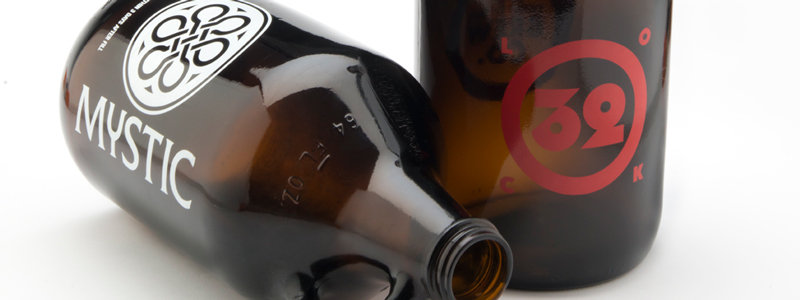
Screen printing remains a favorite for its ability to deposit thick, opaque layers of ink onto glass surfaces. Specialized inks, such as UV-curable or ceramic-based formulas, are used to ensure strong adhesion and resistance to fading or scratching. This method is especially popular for large production runs of bottles, jars, and glassware.
For those new to this process, starter kits are available that include all the essentials for experimenting with screen printing at home or in a studio setting.
Etching and Sandblasting: Permanent Surface Alteration
Etching and sandblasting physically alter the glass surface, creating designs that are literally part of the material. Chemical etching creams or abrasive blasting can produce frosted effects, intricate patterns, or even text. These methods are highly resistant to wear, making them ideal for commemorative pieces or items that will see frequent handling.
Etched designs do not fade or peel, providing a truly permanent solution for glass decoration. However, these techniques require careful handling and appropriate safety measures due to the chemicals or equipment involved.
UV Printing: Modern Technology for Vivid Results
UV printing uses ultraviolet light to instantly cure specially formulated inks onto glass. This method allows for full-color, high-resolution images and can be applied to both flat and curved surfaces. The cured ink forms a tough, resilient layer that resists scratches and fading, making it a top choice for contemporary glass art and branded products.
For more information on advanced applications, you can explore smart device glass printing and how precision coatings are used in the tech industry.
Choosing the Right Materials and Inks
The success of any glass printing project depends heavily on the materials and inks selected. Not all inks are suitable for glass, and using the wrong type can result in poor adhesion, fading, or peeling. Here are some key considerations:
- UV-curable inks: These are designed to bond tightly with glass and cure instantly under UV light, offering excellent durability and color retention.
- Ceramic inks: Used in screen printing and then fired in a kiln, these inks fuse with the glass surface, creating a permanent, dishwasher-safe finish.
- Solvent-based inks: While less common, some solvent inks are formulated for glass and provide good resistance to abrasion and chemicals.
Always ensure that the chosen ink is compatible with the intended printing method and the specific type of glass being used.
Applications: From Art to Industry
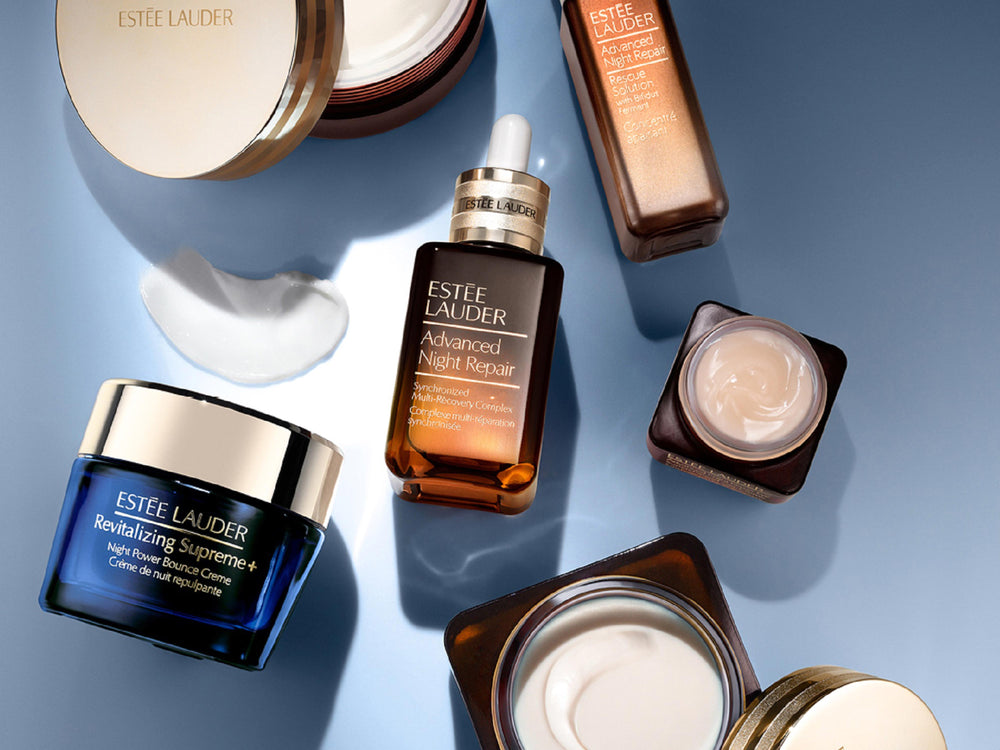
Durable printing on glass is not limited to art pieces. The same techniques are widely used in packaging, architecture, and technology. For example, luxury cosmetic bottles, beverage containers, and even smart device screens benefit from robust printing methods that ensure both aesthetics and functionality.
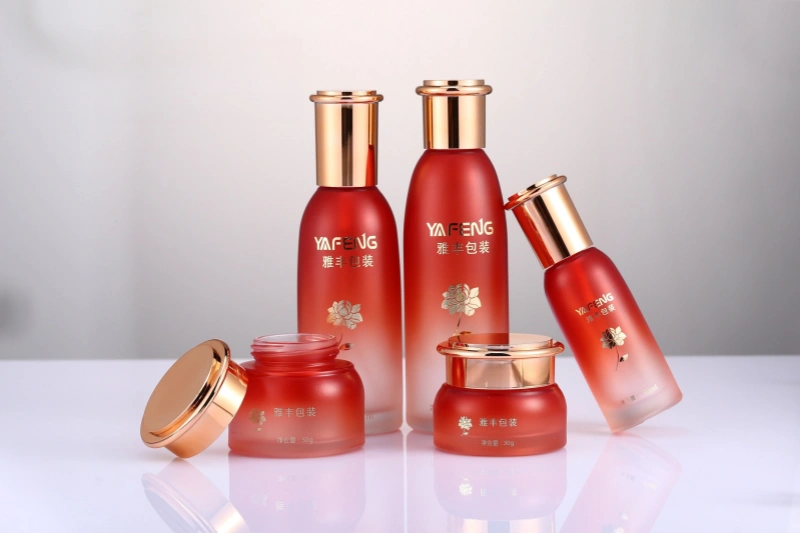
For those interested in exploring creative options, methods for colored glass decoration can add vibrancy and depth to any project. On the industrial side, industrial glass printing uses demonstrate how these technologies support manufacturing and tech innovation.
Tips for Achieving the Best Results
To get the most from modern glass printing techniques, consider the following practical tips:
- Clean the glass thoroughly before printing to remove oils, dust, or residues that can interfere with ink adhesion.
- Test your chosen ink or etching method on a small area or sample piece to ensure compatibility and desired results.
- Allow printed or etched glass to cure fully according to manufacturer instructions before handling or washing.
- For commercial projects, work with experienced providers or invest in professional-grade equipment for consistent quality.
For more technical guidance, manufacturers like Markem-Imaje provide detailed information on printing onto glass with industrial-grade solutions.
Maintenance and Care for Printed Glass
Even the most robust prints benefit from proper care. Here are some maintenance tips to prolong the life of your glass artwork or products:
- Hand wash printed glass items when possible, especially if the print is not kiln-fired or specifically labeled as dishwasher-safe.
- Avoid abrasive cleaners or scrubbers that can scratch the surface or wear down the print over time.
- Store or display glass pieces away from direct sunlight to minimize UV exposure, unless UV-resistant inks have been used.
Following these guidelines will help preserve the clarity and vibrancy of your designs for years to come.
Frequently Asked Questions
What is the most durable method for printing on glass?
Firing ceramic inks onto glass after screen printing creates a fused, permanent design that is highly resistant to wear, washing, and UV exposure. Etching and sandblasting also offer exceptional durability since the design is physically altered into the glass surface.
Can I print full-color images on glass that will last?
Yes, UV printing allows for high-resolution, full-color images to be applied to glass. The cured inks form a tough, resilient layer that resists fading and scratching, making this method suitable for both decorative and commercial applications.
How do I avoid common problems with glass printing?
Proper surface preparation, selecting the right inks or etching materials, and following curing instructions are key. For a deeper dive into troubleshooting, see this resource on common mistakes in glass printing and how to avoid them.
Are there eco-friendly options for glass printing?
Some manufacturers offer environmentally friendly inks and processes, such as water-based or low-VOC inks. Always check product specifications and look for certifications if sustainability is a priority for your project.
Conclusion
Advancements in durable glass printing solutions have opened up new possibilities for artists, businesses, and manufacturers. By choosing the right technique—whether screen printing, etching, or UV printing—and using appropriate materials, you can achieve vivid, resilient designs that stand the test of time. With careful preparation and maintenance, your glass creations will remain beautiful and functional for years to come.
For inspiration on commemorative pieces, you may also be interested in printed glass memorial products and how they offer lasting tributes through advanced printing methods.