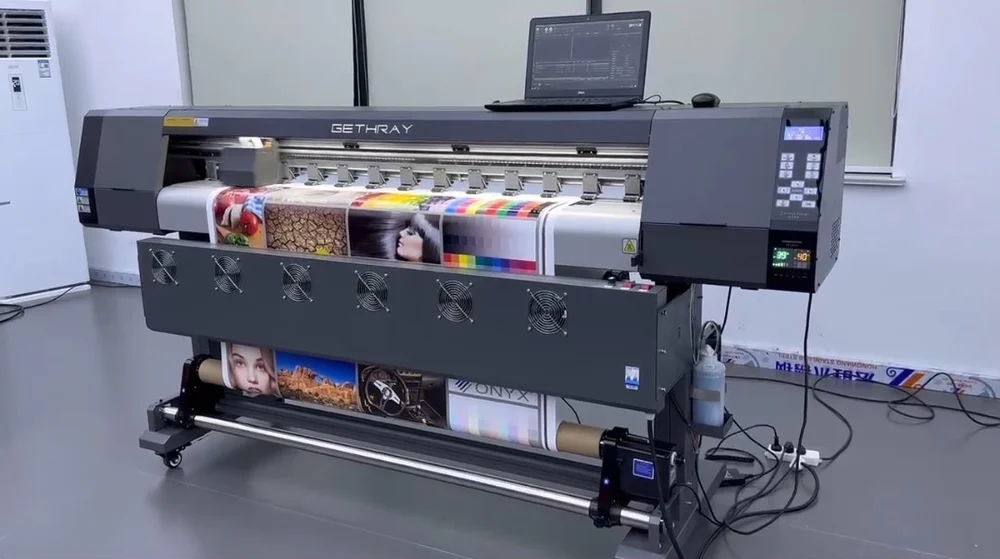

Eco solvent inks have become a preferred choice for print professionals and businesses seeking environmentally responsible printing solutions. As sustainability standards rise, understanding the eco solvent ink eco certification guide is essential for anyone involved in digital printing, packaging, or graphic production. This article provides a comprehensive overview of eco certifications for these inks, what they mean, and how to navigate the certification process to ensure compliance and market advantage.
With the growing demand for greener printing methods, many are exploring solvent-free and low-VOC alternatives. If you’re interested in broader sustainable printing trends, you may also find value in learning about solvent-free printing processes and how they impact the industry.
What Is Eco Solvent Ink and Why Certification Matters
Eco solvent inks are formulated with organic solvents that emit fewer volatile organic compounds (VOCs) compared to traditional solvent inks. These inks are widely used for indoor and outdoor signage, vehicle wraps, and packaging due to their durability and lower environmental impact. However, not all products labeled as “eco” meet recognized environmental standards. That’s where eco certification comes in—it provides assurance that an ink meets specific criteria for safety, emissions, and sustainability.
Certification is important for several reasons:
- Market trust: Certified inks give customers confidence in your environmental claims.
- Regulatory compliance: Many regions require proof of low emissions and safe chemical content.
- Competitive advantage: Eco labels can differentiate your products in a crowded market.
- Worker safety: Certified inks are generally safer for operators and end users.
Key Eco Certifications for Solvent Inks
There are several major certifications and standards relevant to eco solvent inks. Understanding these is crucial for anyone seeking to comply with regulations or appeal to eco-conscious buyers. Some of the most recognized certifications include:
- GREENGUARD Certification: Focuses on low chemical emissions, ensuring inks are safe for indoor environments such as schools and hospitals.
- OEKO-TEX Standard 100: Primarily used in textiles, but some ink manufacturers pursue this to show their inks are free from harmful substances.
- EN 71-3: European standard for toy safety, sometimes applied to inks used in children’s products.
- RoHS (Restriction of Hazardous Substances): Ensures inks do not contain hazardous levels of heavy metals and other restricted chemicals.
- REACH Compliance: European regulation for the safe use of chemicals, including those in printing inks.
Each certification has its own testing protocols and documentation requirements. Manufacturers or print providers should review which certifications are most relevant for their markets and applications.
Steps to Achieve Eco Certification for Solvent Inks
Following a structured process is essential for achieving recognized eco labels. Here’s a step-by-step outline based on the eco solvent ink eco certification guide principles:
- Review Certification Criteria: Carefully study the requirements for the desired certification (e.g., GREENGUARD, OEKO-TEX).
- Assess Ink Formulation: Work with your ink supplier or R&D team to ensure the product meets the necessary chemical and emissions standards.
- Conduct Pre-Testing: Before formal application, consider third-party lab tests to identify any potential issues.
- Prepare Documentation: Gather all safety data sheets (SDS), technical data, and manufacturing process details required by the certifying body.
- Submit Application: Apply to the certification body, providing samples and documentation as requested.
- Undergo Audits and Testing: The certifying organization will perform laboratory analysis and may audit your facility or processes.
- Implement Recommendations: If the initial review finds issues, make the necessary adjustments and resubmit as needed.
- Receive Certification: Once approved, you’ll receive documentation and the right to use the certification mark in your marketing.
Benefits of Using Certified Eco Solvent Inks
Choosing certified inks offers several tangible benefits:
- Healthier Work Environments: Lower VOCs mean improved air quality for staff and customers.
- Regulatory Peace of Mind: Certified products help you avoid legal or compliance issues.
- Enhanced Brand Image: Eco labels are increasingly important for brand reputation and consumer trust.
- Access to Sensitive Markets: Some sectors, such as healthcare and education, require proof of low emissions and safety.

How to Verify Eco Claims and Avoid Greenwashing
With the popularity of eco-friendly products, some manufacturers may exaggerate or misrepresent their environmental credentials. To avoid greenwashing, consider these tips:
- Look for Recognized Labels: Only trust certifications from reputable organizations with transparent standards.
- Request Documentation: Ask for certificates, test reports, or compliance statements before purchasing.
- Check for Third-Party Testing: Independent laboratory analysis is more reliable than self-declared claims.
- Review Ingredient Lists: Genuine eco solvent inks should have clear, accessible safety data sheets.
For those interested in the intersection of eco-friendly inks and packaging design, exploring trends in wood-grain and natural textures on print can offer further inspiration for sustainable branding.
Best Practices for Maintaining Certified Eco Solvent Printers
Maintaining your printing equipment is crucial for ensuring ongoing compliance and optimal performance. Here are some best practices:
- Regular Cleaning: Use manufacturer-recommended cleaning solutions to prevent ink buildup and maintain print quality.
- Monitor Ink Storage: Store inks in a cool, dry place away from direct sunlight to preserve their properties.
- Check for Expiry Dates: Using expired inks can compromise both print results and eco certification status.
- Follow Maintenance Schedules: Adhere to routine maintenance as outlined by your printer’s manual.
- Stay Updated: Keep up with the latest maintenance tips for smoother printer operations and performance to maximize efficiency and compliance.

Frequently Asked Questions
What are the main differences between eco solvent inks and traditional solvent inks?
Eco solvent inks use milder, biodegradable solvents that emit lower levels of VOCs, making them safer for indoor use and less harmful to the environment. Traditional solvent inks, by contrast, release more hazardous emissions and may contain substances restricted by environmental regulations.
How can I be sure an ink is genuinely eco-certified?
Always request official certification documents from the supplier and verify the certifying body’s reputation. Look for marks like GREENGUARD, OEKO-TEX, or RoHS, and check for independent lab test results to confirm compliance.
Do certified eco solvent inks perform as well as non-certified alternatives?
Yes, most certified eco solvent inks are formulated to match or exceed the performance of conventional inks in terms of color vibrancy, durability, and print quality. Certification primarily ensures safety and environmental compliance, not reduced functionality.
Conclusion
Navigating the world of eco certifications for solvent inks can seem complex, but understanding the process is crucial for businesses committed to sustainability and regulatory compliance. By choosing certified products, maintaining best practices, and staying informed about evolving standards, print professionals can ensure both environmental responsibility and high-quality results. For further insights into sustainable printing, consider exploring topics like sublimation printing for specialty packaging or the future of cobots in packaging decoration as the industry continues to innovate.