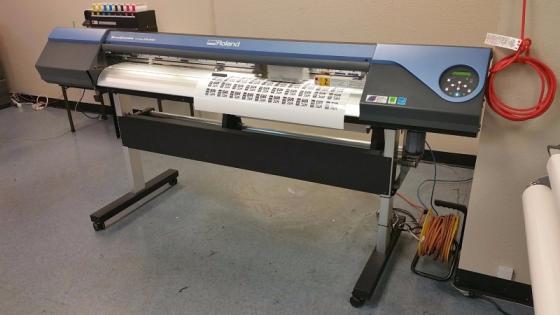

As the demand for high-quality, sustainable indoor graphics grows, eco solvent ink for indoor printing has become a preferred choice for print professionals and businesses alike. This innovative ink technology offers a balance between vibrant color output, durability, and reduced environmental impact, making it ideal for a wide range of indoor signage, displays, and décor projects.
Understanding the unique properties and advantages of eco solvent inks can help print service providers, designers, and facility managers make informed decisions for their indoor printing needs. This article explores the benefits, applications, and practical considerations of using eco solvent inks indoors, as well as how they compare to other ink technologies.
For those interested in broader trends, you may also want to explore trends in wood-grain and natural textures on print for additional inspiration in indoor graphics and packaging design.
What Sets Eco Solvent Ink Apart for Indoor Use?
Eco solvent ink for indoor printing is formulated with mild, biodegradable solvents that are less aggressive than traditional solvent inks. This composition results in lower emissions of volatile organic compounds (VOCs), making them safer for use in enclosed spaces such as offices, retail environments, schools, and hospitals.
- Low Odor: The reduced VOC content means minimal odor, which is crucial for indoor settings where air quality is a concern.
- Vibrant Colors: These inks deliver rich, consistent colors suitable for detailed graphics and photographic images.
- Compatibility: Eco solvent inks are compatible with a wide range of substrates, including vinyl, canvas, wallpaper, and coated papers.
Key Benefits of Using Eco Solvent Inks Indoors
Choosing eco solvent ink for indoor printing offers several advantages over other ink types, especially when considering health, safety, and sustainability:
- Health and Safety: Lower VOC emissions mean a safer working environment for print operators and end-users.
- Environmental Impact: The biodegradable solvents used in these inks help reduce the ecological footprint of indoor graphics production.
- Print Longevity: While designed for indoor use, eco solvent prints are resistant to fading and scratching, ensuring displays remain vibrant over time.
- Cost Efficiency: These inks often require less ventilation and specialized handling, lowering facility costs and simplifying compliance with indoor air quality standards.
For a deeper dive into the environmental and operational advantages, see this overview of the major benefits of eco solvent printers.
Popular Indoor Printing Applications
Eco solvent inks are versatile and can be used for a variety of indoor projects, including:
- Wall Murals and Graphics: Custom wall art, branded environments, and decorative murals in offices, hotels, and retail spaces.
- Point-of-Sale Displays: Durable, eye-catching graphics for product promotions and in-store advertising.
- Posters and Banners: High-resolution prints for exhibitions, events, and educational settings.
- Window Graphics: Semi-permanent decals and privacy films for glass surfaces.
- Custom Wallpaper: Personalized interior décor for homes and businesses.
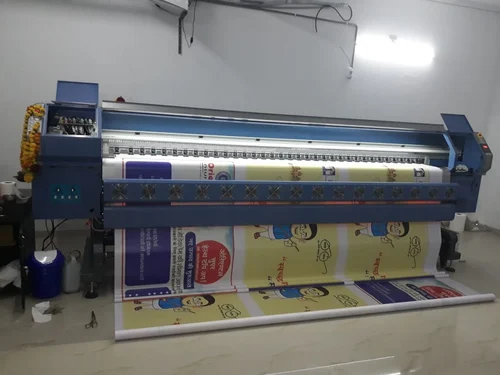
How Eco Solvent Inks Compare to Other Indoor Printing Options
When evaluating ink technologies for indoor graphics, it’s important to consider how eco solvent inks stack up against alternatives such as aqueous, latex, and UV-curable inks.
| Ink Type | Indoor Suitability | Durability | Environmental Impact |
|---|---|---|---|
| Eco Solvent | Excellent (low odor, safe) | High | Lower VOCs, biodegradable |
| Aqueous | Good (water-based, odorless) | Moderate (may require lamination) | Very low VOCs |
| Latex | Excellent (odorless, flexible) | High | Water-based, eco-friendly |
| UV-Curable | Good (instant dry, versatile) | Very high | Low VOCs, but may have odor |
While aqueous and latex inks are also popular for indoor use, eco solvent inks offer a unique combination of color vibrancy, media compatibility, and durability, making them a strong choice for demanding applications.
Best Practices for Achieving Optimal Results
To get the most out of eco solvent ink for indoor printing, consider the following tips:
- Use Compatible Media: Select substrates specifically designed for eco solvent inks to ensure proper adhesion and color accuracy.
- Monitor Environmental Conditions: Maintain stable temperature and humidity in the print area to avoid ink drying issues or color shifts.
- Regular Printer Maintenance: Clean print heads and perform routine checks to prevent clogging and maintain print quality.
- Allow Proper Outgassing: After printing, let the graphics cure for 24–48 hours before lamination or installation to prevent bubbling or odor retention.
For those seeking even greener solutions, check out this guide to solvent-free printing processes for additional insights.
Common Challenges and Solutions
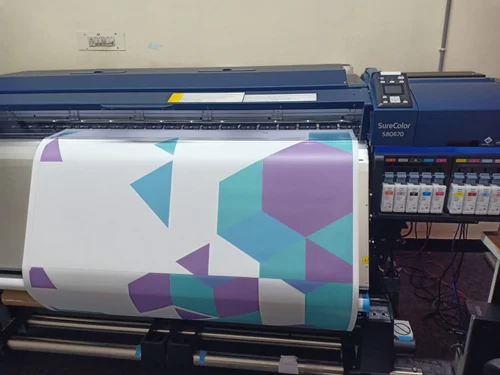
While eco solvent inks are user-friendly, some challenges may arise in indoor printing environments:
- Ink Drying Time: Although faster than traditional solvent inks, eco solvent prints may still require adequate drying time, especially in humid conditions.
- Media Curling: Some thin or uncoated media may curl after printing. Using heavier or properly coated substrates can help prevent this.
- Color Matching: Achieving precise color reproduction may require ICC profiling and calibration, particularly for brand-critical applications.
Addressing these issues with proper workflow adjustments ensures consistent, high-quality results for all indoor graphics projects.
FAQ: Eco Solvent Ink for Indoor Printing
Is eco solvent ink safe for use in schools and hospitals?
Yes, eco solvent inks are formulated with low-VOC, biodegradable solvents, making them suitable for sensitive indoor environments such as schools, hospitals, and offices. Their low odor and minimal emissions contribute to a healthier indoor atmosphere.
How does eco solvent ink compare to latex ink for indoor applications?
Both eco solvent and latex inks are excellent choices for indoor graphics. Eco solvent inks offer strong color vibrancy and compatibility with a wide range of media, while latex inks are water-based and completely odorless. The best choice depends on your specific application, printer compatibility, and environmental requirements.
Can eco solvent prints be laminated for extra durability?
Absolutely. Laminating eco solvent prints can enhance their scratch resistance and longevity, especially for high-traffic areas or graphics exposed to frequent cleaning. Be sure to allow the print to outgas fully before laminating to avoid trapped solvents.
What types of media work best with eco solvent inks?
Eco solvent inks perform well on coated vinyl, canvas, wallpaper, and specialty papers designed for solvent-based printing. Always check media compatibility with your printer and ink manufacturer for best results.
For more advanced techniques in achieving premium print quality, see our article on how to achieve photographic quality on corrugated flutes.
Conclusion
Eco solvent inks have established themselves as a reliable, sustainable solution for indoor graphics and signage. Their combination of vibrant color, durability, and environmental responsibility makes them a smart choice for businesses and organizations aiming to create impactful indoor displays. By understanding their properties and following best practices, print professionals can deliver outstanding results while supporting healthier indoor environments.