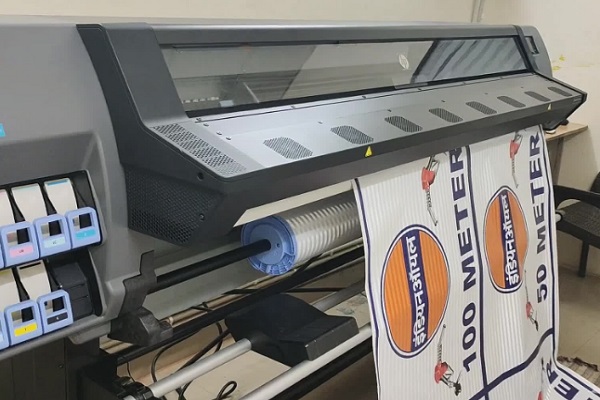

The printing industry is undergoing a significant transformation as businesses and consumers demand more sustainable solutions. Low emission printing technologies are at the forefront of this shift, offering a cleaner alternative to traditional methods that often rely on harsh chemicals and generate substantial volatile organic compounds (VOCs). Among these advancements, latex printing stands out for its ability to deliver high-quality results while minimizing environmental impact.
This article explores the key features, benefits, and practical considerations of adopting latex-based systems for cleaner production. We’ll also compare these solutions to other eco-friendly print methods, discuss their role in regulatory compliance, and answer common questions about their use in modern print environments.
For those interested in broader sustainable print trends, our recent overview of solvent-free printing processes provides additional context on how the industry is reducing its environmental footprint.
What Sets Latex Printing Apart in Clean Production?
Latex printing uses water-based inks that contain minimal hazardous air pollutants and low levels of VOCs. Unlike solvent or UV-curable inks, latex formulations are designed to be safer for both operators and the environment. This makes them a preferred choice for businesses seeking low emission printing technologies that align with modern sustainability goals.
- Water-based chemistry: Reduces exposure to toxic solvents and odors.
- Fast drying: Prints are ready for finishing and installation quickly, improving workflow efficiency.
- Versatile media compatibility: Suitable for a wide range of substrates, including paper, vinyl, textiles, and more.
- Indoor air quality: Helps maintain a safer, healthier work environment.
Key Benefits of Low Emission Printing Technologies
Adopting latex and other low-emission solutions brings several advantages:
- Environmental Compliance: Many regions have strict regulations limiting VOC emissions from industrial processes. Latex printers help companies meet these standards without sacrificing print quality.
- Health and Safety: With fewer airborne pollutants, workplaces become safer for employees, reducing the risk of respiratory issues and chemical sensitivities.
- Brand Reputation: Demonstrating a commitment to clean production can enhance your brand image and appeal to eco-conscious clients.
- Cost Savings: Reduced need for specialized ventilation, lower hazardous waste disposal costs, and potential eligibility for green certifications can all contribute to long-term savings.
How Latex Printing Works: The Technology Explained
Latex printers use a combination of heat and air to cure water-based latex inks onto the substrate. The process involves three main stages:
- Printing: The printer deposits latex ink droplets onto the chosen material.
- Evaporation: Heat and airflow rapidly evaporate water from the ink, leaving behind the pigment and latex polymer.
- Curing: The latex forms a flexible, durable film that bonds to the substrate, resulting in vibrant, scratch-resistant prints.
This method is highly efficient and produces minimal emissions compared to traditional solvent-based systems.
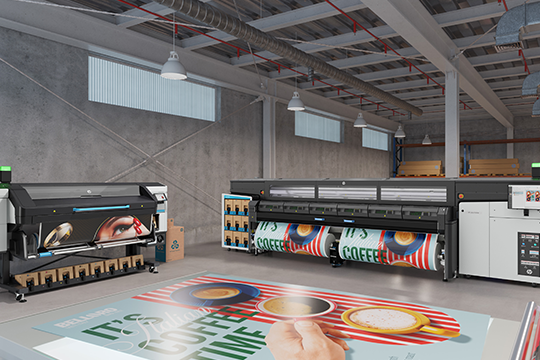
Comparing Latex to Other Sustainable Print Methods
While latex printing is a leading low emission printing technology, it’s not the only option for reducing environmental impact. Other approaches include:
- Solvent-Free Digital Printing: These systems, as discussed in our practical guide to solvent-free printing processes, eliminate VOCs entirely by using alternative ink chemistries.
- Sublimation Printing: Ideal for specialty packaging and textiles, this process uses heat to transfer dyes directly into materials, producing no hazardous emissions. Learn more in our article on sublimation printing for specialty packaging.
- UV-Curable Inks: These inks cure instantly under UV light, reducing drying times and emissions, though some formulations may still contain trace VOCs.
Each method has its strengths. Latex stands out for its versatility, safety, and compatibility with a wide range of media, making it a practical choice for many commercial print operations.
Applications and Versatility in Modern Print Environments
Latex technology is used in a variety of settings, from signage and banners to wallcoverings, vehicle wraps, and packaging. Its flexibility allows for creative applications without compromising on sustainability.
- Retail graphics and displays
- Interior décor and wall murals
- Outdoor advertising
- Custom packaging
- Textile printing
For those interested in design trends, our feature on trends in wood-grain and natural textures on print explores how latex and other eco-friendly methods are enabling new creative possibilities.
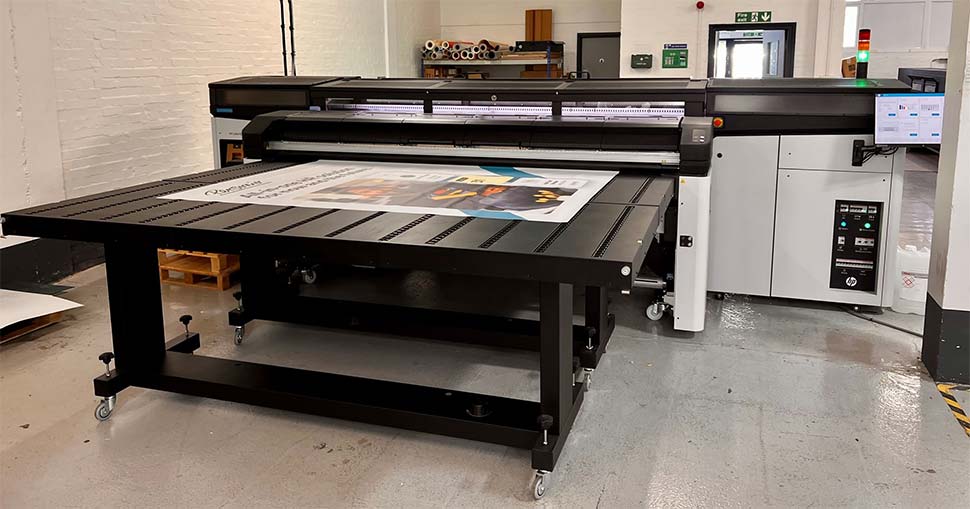
Choosing the Right Low Emission Printing Solution
Selecting the best technology for your needs involves considering factors such as print volume, substrate types, required durability, and environmental certifications. Latex printers are available in a range of sizes and configurations, making them suitable for small studios as well as high-volume production facilities.
For businesses seeking more information on the technical aspects and business benefits of latex printers, this comprehensive overview of latex printers provides a detailed look at how these systems compare to other digital print technologies.
It’s also important to ensure your color management workflow is optimized for latex technology. Using a reliable monitor calibrator can help maintain color accuracy across different substrates and print runs.
Integrating Clean Print Methods into Your Business
Transitioning to low emission printing technologies is not just about equipment—it’s about adopting a holistic approach to sustainability. This includes sourcing eco-certified media, implementing energy-efficient workflows, and training staff on best practices for clean production.
Many organizations find that making these changes not only reduces their environmental impact but also improves operational efficiency and opens up new market opportunities. For example, brands in the packaging sector are increasingly seeking partners who can deliver both creative and sustainable solutions. If you’re exploring high-quality results on challenging substrates, our guide on how to achieve photographic quality on corrugated flutes offers practical advice for print professionals.
FAQ: Low Emission Printing and Latex Technology
What are the main environmental benefits of latex printing?
Latex printing uses water-based inks with very low VOC content, reducing harmful emissions and improving indoor air quality. This makes it a safer choice for both operators and the environment, and helps businesses comply with strict environmental regulations.
How does latex printing compare to solvent-based methods?
Solvent-based printing typically releases more VOCs and requires additional ventilation and handling precautions. Latex systems, on the other hand, offer similar print quality with far fewer emissions, making them a cleaner and more sustainable alternative.
Can latex printers handle the same range of materials as other digital printers?
Yes, modern latex printers are highly versatile and can print on a wide variety of substrates, including paper, vinyl, textiles, canvas, and even some specialty materials. This flexibility makes them suitable for diverse applications, from signage to packaging and décor.
Are there any limitations to using latex technology?
While latex printing is suitable for most applications, some highly specialized or heat-sensitive materials may require alternative processes. It’s important to consult with your equipment supplier and test substrates to ensure compatibility.
Conclusion
The move toward low emission printing technologies is reshaping the print industry, offering safer, more sustainable solutions without compromising on quality or versatility. Latex printing stands out as a proven method for achieving clean production, meeting regulatory requirements, and supporting a greener future for print businesses of all sizes.