

In today’s competitive market, brands are under constant pressure to deliver packaging and printed materials that stand out and remain consistent across every touchpoint. Achieving precise color reproduction is more important than ever, especially as consumers increasingly associate color with brand identity and quality. Extended gamut printing has emerged as a leading solution for brands seeking to elevate color accuracy and consistency while optimizing production efficiency.
This article explores the benefits of extended gamut printing for maintaining brand standards, improving visual impact, and streamlining workflows. We’ll look at how this advanced color technology is transforming packaging, labeling, and marketing collateral, and why it’s becoming the preferred choice for businesses aiming for flawless brand representation.
For those interested in how material textures influence packaging, the article on trends in wood-grain and natural textures on print provides valuable insights into another aspect of print innovation.
Understanding Extended Gamut Printing Technology
Traditional printing relies on the CMYK (cyan, magenta, yellow, black) color model, which can reproduce a wide range of colors but often falls short when it comes to vibrant hues and brand-specific tones. Extended gamut printing expands the standard process by adding extra inks—typically orange, green, and violet—to the mix. This approach increases the color range (gamut) that can be achieved on press, allowing for more accurate and vivid reproduction of challenging colors.
By incorporating additional inks, printers can match a greater percentage of Pantone and spot colors without needing to switch inks or run separate jobs. This not only improves color fidelity but also streamlines production, making it easier to maintain consistency across different print runs and substrates.
How Extended Gamut Printing Enhances Brand Accuracy
Color consistency is a cornerstone of effective branding. When packaging or promotional materials deviate from established brand colors, it can dilute brand recognition and erode consumer trust. Here’s how extended gamut printing addresses these challenges:
- Improved Color Matching: The expanded ink set allows printers to reproduce a broader spectrum of colors, closely matching brand guidelines and unique hues that are difficult to achieve with CMYK alone.
- Reduced Need for Spot Colors: By covering more of the Pantone range, extended gamut technology minimizes the reliance on custom spot inks, reducing costs and simplifying inventory management.
- Consistent Results Across Substrates: Whether printing on paper, film, or corrugated board, the process delivers reliable color accuracy, ensuring that branding remains uniform across all materials.
- Fewer Press Adjustments: With a fixed ink set, printers can run multiple jobs with minimal setup changes, reducing the risk of color drift and human error.
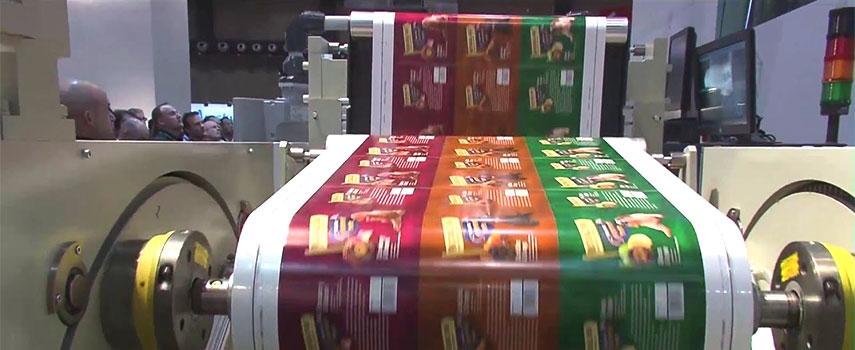
Production Efficiency and Sustainability Advantages
Beyond color accuracy, the benefits of extended gamut printing extend to operational efficiency and environmental impact. Here are some ways this technology supports modern production needs:
- Faster Turnarounds: By eliminating the need for frequent ink changes and press wash-ups, jobs can be completed more quickly, supporting tight deadlines and just-in-time production models.
- Lower Waste: The fixed ink palette reduces leftover ink and substrate waste, contributing to more sustainable printing practices.
- Cost Savings: With fewer spot colors and simplified setups, brands can achieve premium results without the premium price tag.
- Streamlined Proofing: Digital proofing and soft-proof workflows are easier to manage, reducing the risk of costly errors and reprints.
For brands exploring eco-friendly production, the discussion on key trends in sustainable and AI-driven printing offers a broader perspective on where the industry is heading.
Visual Impact and Shelf Appeal
The ability to reproduce vibrant, eye-catching colors gives brands a competitive edge at the point of sale. Packaging printed with extended gamut technology often appears more dynamic and true-to-life, which can influence consumer perceptions and purchasing decisions.
Whether it’s the deep reds of a snack bag or the subtle gradients on a luxury box, this printing method ensures that every detail is faithfully rendered. This is especially important for products that rely on strong visual cues to communicate quality and differentiate from competitors.
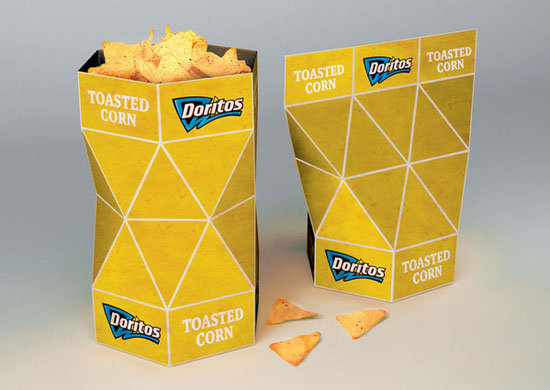
Applications Across Packaging and Print
The benefits of extended gamut printing are especially pronounced in industries where color precision is non-negotiable. Common applications include:
- Consumer Packaging: Food, beverage, cosmetics, and electronics brands rely on accurate color to reinforce identity and attract buyers.
- Labels and Shrink Sleeves: Extended gamut enables seamless color transitions and special effects that elevate shelf presence.
- Marketing Collateral: Brochures, displays, and promotional materials benefit from enhanced vibrancy and consistency.
- Specialty Substrates: Printing on metallics, synthetics, or textured materials is more predictable and reliable.
For those interested in specialty packaging, the article on what is sublimation printing for specialty packaging explores another innovative approach to achieving unique visual effects.
Integrating Extended Gamut Printing Into Your Workflow
Adopting this technology requires collaboration between brand owners, designers, and print providers. Here are some best practices for a smooth transition:
- Update Brand Guidelines: Work with your print partners to ensure color targets are defined for the expanded ink set.
- Proof Early and Often: Use digital and physical proofs to confirm color accuracy before full production.
- Educate Stakeholders: Ensure marketing, procurement, and quality teams understand the capabilities and limitations of the process.
- Leverage Prepress Expertise: Partner with printers experienced in extended gamut workflows for optimal results.
If your projects involve challenging substrates, you may also find value in the guide on how to achieve photographic quality on corrugated flutes, which addresses another common packaging challenge.
Frequently Asked Questions
What is the main advantage of extended gamut printing over traditional CMYK?
The primary benefit is the ability to reproduce a wider range of colors, especially vibrant and brand-specific hues that are difficult to achieve with CMYK alone. This leads to more accurate and consistent brand representation across all printed materials.
Can extended gamut printing reduce production costs?
Yes, by minimizing the need for custom spot colors and reducing press setup times, this method can lower both material and labor costs. The fixed ink palette also means less waste and faster turnaround times.
Is this printing method suitable for all types of packaging?
Extended gamut technology is highly versatile and can be used on a wide variety of substrates, including paper, film, and board. It is especially beneficial for packaging that demands high color accuracy and visual impact.
How does this approach support sustainability?
By reducing ink waste and streamlining production, extended gamut printing supports more sustainable practices. The process also enables efficient use of materials and energy, aligning with eco-friendly production goals.
Conclusion
Extended gamut printing is transforming the way brands approach color accuracy, consistency, and efficiency in packaging and print. By expanding the achievable color range and simplifying workflows, it empowers businesses to deliver visually stunning, on-brand materials that resonate with consumers and stand out in a crowded marketplace.
As the print industry continues to evolve, embracing innovations like this will be key to maintaining a strong, recognizable brand presence. For more on sustainable and future-focused printing, explore the guide to solvent-free printing processes and stay ahead of the curve.