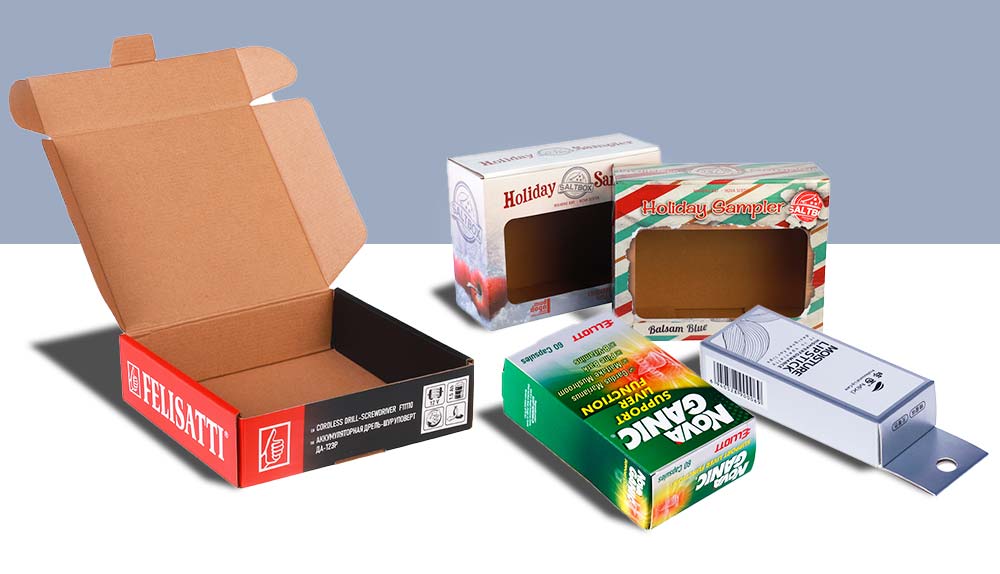

The rapid evolution of smart technologies is transforming how brands interact with consumers, and nowhere is this more evident than in packaging. As the future of IoT integrated packaging unfolds, consumer brands are discovering new ways to connect, inform, and engage through connected, data-driven packaging solutions. From enhancing product safety to enabling personalized experiences, the integration of Internet of Things (IoT) technology into packaging is set to redefine the landscape for both businesses and end-users.
In this article, we’ll explore the key trends, benefits, and challenges associated with smart packaging, and how brands can leverage these innovations to stay ahead. For those interested in related advancements, exploring trends in wood-grain and natural textures on print can provide further insight into how packaging aesthetics and technology are converging.
Understanding Connected Packaging Solutions
Connected packaging refers to the use of embedded digital technologies—such as QR codes, NFC chips, RFID tags, and sensors—within packaging materials. These elements allow products to communicate with consumers’ smartphones or other devices, unlocking a range of interactive and data-driven features. The future of IoT integrated packaging is closely tied to the broader movement toward digital transformation in retail and supply chains.
By embedding IoT components, brands can offer real-time product information, verify authenticity, monitor storage conditions, and even deliver tailored marketing content. This shift is not just about adding digital flair; it’s about creating a seamless bridge between the physical and digital worlds, enhancing both the consumer experience and operational efficiency.
Key Benefits for Consumer Brands
Adopting smart packaging brings several advantages for brands aiming to differentiate themselves in a crowded marketplace:
- Enhanced Consumer Engagement: Interactive packaging can deliver exclusive content, loyalty rewards, or product tutorials, fostering deeper brand relationships.
- Supply Chain Transparency: IoT-enabled packaging provides real-time tracking and monitoring, improving inventory management and reducing losses.
- Product Authentication: With counterfeiting on the rise, embedded chips or codes help consumers verify product legitimacy, building trust and protecting brand reputation.
- Data Collection: Brands gain valuable insights into consumer behavior, usage patterns, and geographic distribution, enabling more targeted marketing and product development.
- Sustainability Initiatives: Smart packaging can monitor freshness, reduce waste, and guide consumers on recycling, supporting environmental goals.
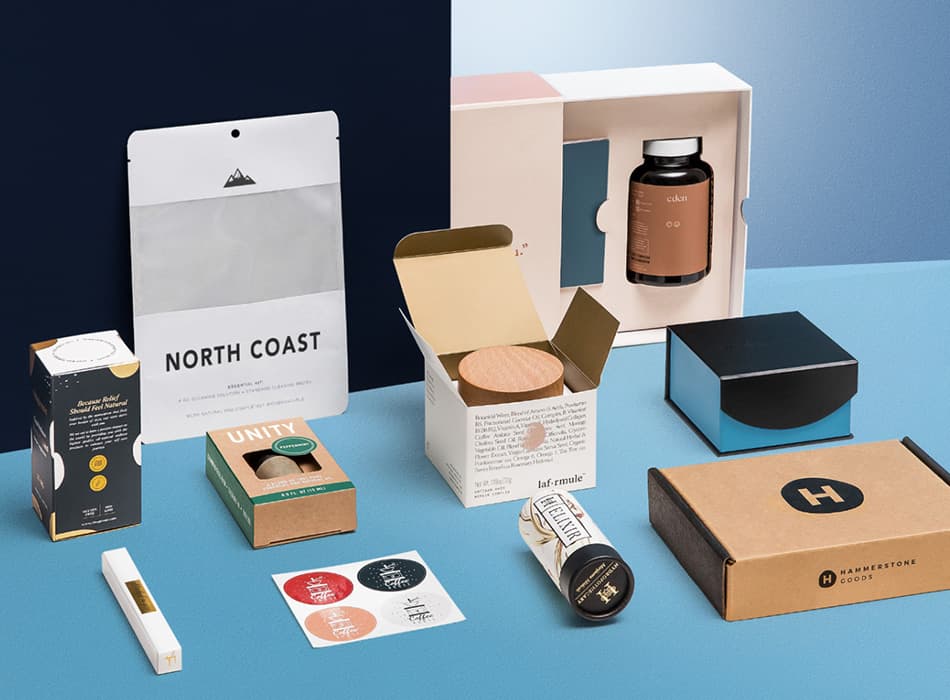
Emerging Technologies Shaping Smart Packaging
The integration of IoT in packaging is being driven by several technological advancements:
- NFC (Near Field Communication): Enables tap-and-go interactions, allowing consumers to access product details or promotions with a simple smartphone tap.
- RFID (Radio Frequency Identification): Facilitates automated inventory tracking, anti-theft measures, and supply chain visibility.
- Printed Electronics: Flexible sensors and circuits can be printed directly onto packaging, enabling cost-effective and scalable smart features.
- Cloud Connectivity: IoT-enabled packaging can transmit data to cloud platforms for analytics, remote monitoring, and real-time alerts.
These technologies are not only making packaging smarter but also more accessible for brands of all sizes. For those interested in the intersection of digital and print, the future of digital print in packaging offers further perspective on how print and IoT are converging.
Challenges and Considerations for Implementation
While the benefits are substantial, integrating IoT into packaging comes with its own set of challenges:
- Cost: Adding sensors or chips can increase packaging expenses, especially for low-margin products.
- Data Privacy: Collecting consumer data requires robust privacy measures and compliance with regulations.
- Recycling Complexity: Mixed-material packaging with embedded electronics may complicate recycling efforts unless designed for easy separation.
- Consumer Adoption: Not all consumers are familiar with or willing to use smart packaging features, so education is key.
Brands must weigh these factors carefully and consider pilot programs or phased rollouts to test consumer response and operational impact.
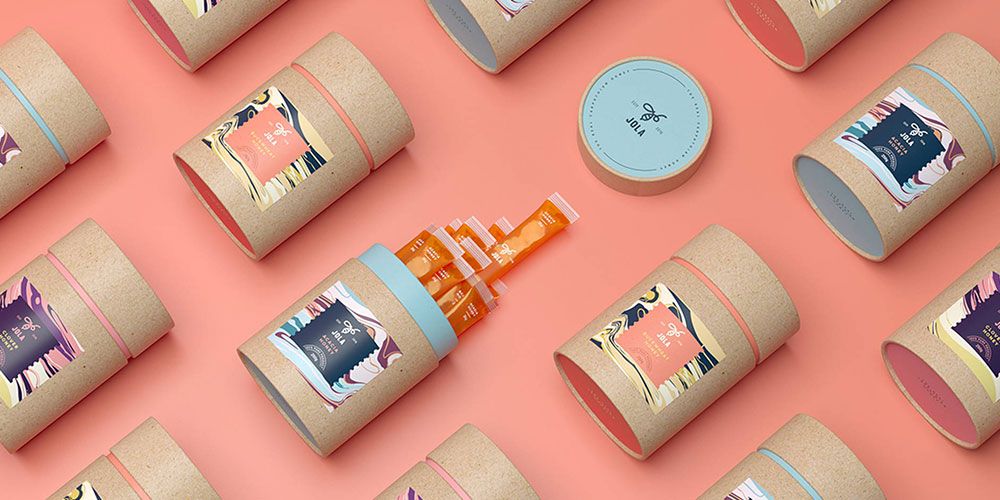
How IoT Packaging Is Transforming Consumer Experiences
Smart packaging is opening up new possibilities for how consumers interact with products. For example, a food package embedded with freshness sensors can alert shoppers if the product is still safe to consume, while a cosmetics box might provide personalized skincare tips via a QR code. This level of interactivity not only adds value but also builds brand loyalty.
Additionally, connected packaging can support sustainability by guiding consumers on proper disposal or recycling, and by helping brands track the lifecycle of their products. For those interested in eco-friendly innovations, the guide to solvent-free printing processes offers practical insights into greener packaging solutions.
Preparing for the Next Wave of Smart Packaging
To capitalize on the opportunities presented by IoT-enabled packaging, brands should consider the following steps:
- Assess Consumer Needs: Identify which smart features will genuinely enhance the customer experience and align with brand values.
- Start Small: Pilot IoT packaging on select products or in limited markets to gather feedback and refine the approach.
- Partner with Experts: Collaborate with packaging suppliers, technology providers, and designers who specialize in connected solutions.
- Educate Consumers: Use clear messaging and instructions to help users understand and benefit from smart packaging features.
- Monitor and Adapt: Leverage data collected from connected packaging to improve products, marketing, and supply chain operations.
By taking these steps, brands can position themselves at the forefront of packaging innovation while managing risks and maximizing return on investment.
FAQ: IoT and Smart Packaging for Brands
What types of products benefit most from IoT-enabled packaging?
Products that require authentication, freshness monitoring, or consumer engagement—such as pharmaceuticals, food and beverages, cosmetics, and luxury goods—see the greatest benefits from connected packaging solutions.
Is smart packaging environmentally friendly?
Smart packaging can support sustainability by reducing waste, extending shelf life, and providing recycling guidance. However, brands must design for recyclability and consider the impact of embedded electronics on the environment.
How can brands ensure data privacy with connected packaging?
Brands should implement robust data security measures, comply with privacy regulations, and be transparent about what data is collected and how it is used. Clear communication builds consumer trust and minimizes privacy concerns.
Looking Ahead: The Role of IoT in Packaging Innovation
The integration of IoT into packaging is more than a passing trend—it’s a fundamental shift in how brands communicate, protect, and deliver value to consumers. As technology advances and consumer expectations evolve, the packaging industry will continue to innovate, blending digital intelligence with physical design. For those exploring the broader landscape of packaging technology, topics like future of cobots in packaging decoration and what is sublimation printing for specialty packaging offer further insights into where packaging is headed next.
Staying informed and adaptable will be key for brands seeking to thrive in this new era of connected packaging. By embracing these changes thoughtfully, companies can unlock new levels of engagement, efficiency, and sustainability—reshaping the consumer experience for years to come.