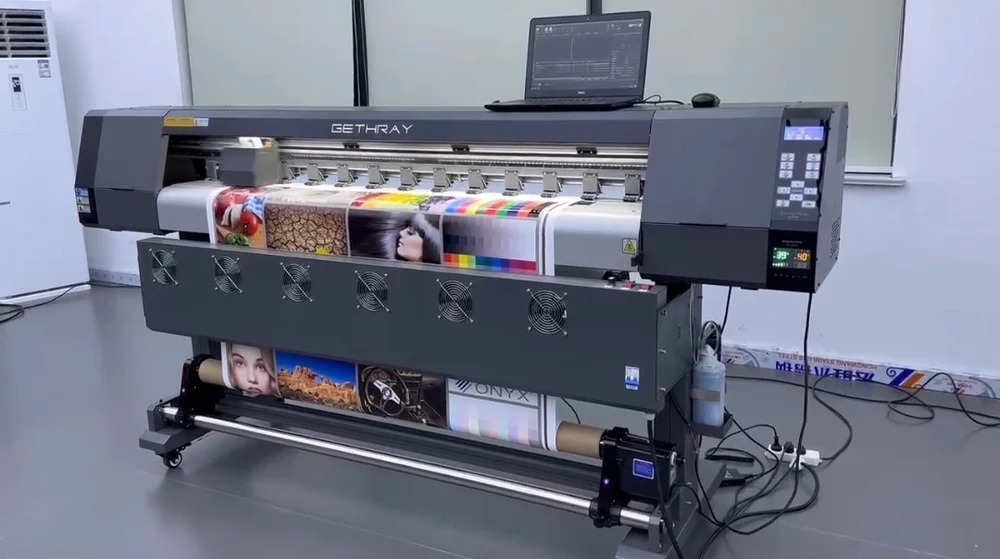

Eco solvent ink for textile printing has become a preferred choice for professionals seeking vibrant results with a reduced environmental impact. As the demand for sustainable printing solutions grows, understanding how these inks work, their advantages, and their compatibility with various fabrics is essential for anyone involved in textile production or garment customization.
Eco solvent inks are formulated to deliver high-quality prints while minimizing harmful emissions and waste. They offer a practical alternative to traditional solvent-based inks, making them suitable for businesses aiming to balance performance with eco-conscious practices. For those interested in broader trends, exploring topics like trends in wood-grain and natural textures on print can provide additional context on sustainable printing innovations.
What Are Eco Solvent Inks?
Eco solvent inks are a type of ink designed for digital printing, especially on flexible substrates like textiles and banners. Unlike traditional solvent inks, they use milder, biodegradable solvents, resulting in lower levels of volatile organic compounds (VOCs). This makes them safer for both operators and the environment, without sacrificing print quality.
These inks are commonly used in wide-format printers and are known for their ability to produce sharp, vivid colors. They are particularly valued in textile applications where durability, wash resistance, and colorfastness are required.
Benefits of Eco Solvent Ink in Textile Applications
Switching to eco solvent ink for textile printing offers several advantages for both print shops and end users:
- Reduced Environmental Impact: The milder solvents in these inks emit fewer harmful chemicals, contributing to a safer workspace and less pollution.
- Vibrant and Durable Prints: Eco solvent formulations are engineered for deep color saturation and strong adhesion to fabrics, resulting in long-lasting designs.
- Versatility: These inks can be used on a variety of textiles, including polyester, blends, and coated fabrics, making them suitable for apparel, banners, and soft signage.
- Lower Odor: The reduced solvent content leads to a less pungent smell during printing, improving comfort for operators.
- Compatibility with Modern Equipment: Many new wide-format printers are optimized for eco solvent inks, allowing for seamless integration into existing workflows.
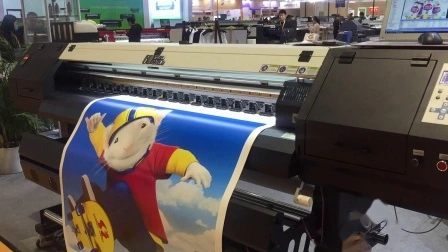
How Eco Solvent Ink Differs from Other Textile Printing Inks
When comparing eco solvent inks to other popular textile printing options, such as water-based, pigment, or sublimation inks, several distinctions become clear:
- Solvent-Based vs. Water-Based: While water-based inks are praised for their environmental friendliness, eco solvent inks strike a balance by offering greater durability and compatibility with coated fabrics.
- Pigment Inks: Pigment inks are known for their colorfastness but may not adhere as well to certain synthetic textiles without pretreatment. Eco solvent inks, on the other hand, often require less surface preparation.
- Sublimation: Sublimation is ideal for polyester fabrics but is limited in terms of substrate compatibility. Eco solvent inks can be used on a broader range of materials, including some that are not suitable for sublimation.
For those interested in solvent-free alternatives, the guide to solvent-free printing processes provides a comprehensive look at other eco-friendly options.
Key Considerations for Using Eco Solvent Ink on Fabrics
To achieve optimal results with eco solvent inks on textiles, several factors should be kept in mind:
- Fabric Selection: Not all textiles are equally receptive to eco solvent inks. Polyester and coated fabrics generally yield the best results, while untreated cotton may require additional steps.
- Printer Compatibility: Ensure your printer is designed for or compatible with eco solvent inks. Using the wrong ink type can damage print heads or result in poor image quality.
- Pre- and Post-Treatment: Some fabrics may benefit from pre-treatment to improve ink adhesion. Post-print heat pressing or curing can also enhance durability and wash resistance.
- Maintenance: Regular cleaning and proper storage of inks help maintain print quality and extend the life of your equipment. For practical advice, see these maintenance tips for smoother printer operations and performance.
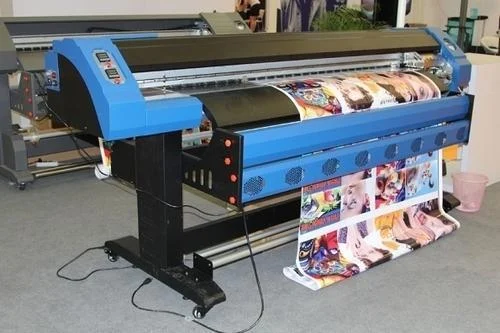
Applications of Eco Solvent Ink in the Textile Industry
The versatility of eco solvent inks has led to their adoption across a range of textile printing applications:
- Custom Apparel: T-shirts, sportswear, and uniforms benefit from the vibrant colors and wash durability of eco solvent prints.
- Soft Signage: Banners, flags, and backdrops printed with these inks maintain their appearance even after exposure to weather and repeated handling.
- Home Textiles: Curtains, cushions, and upholstery fabrics can be personalized with intricate designs using eco solvent technology.
- Promotional Items: Bags, hats, and other fabric-based promotional products are easily customized with long-lasting prints.
For specialty packaging and unique textile applications, learning about what is sublimation printing for specialty packaging can offer additional insights into alternative methods.
Challenges and Limitations
While eco solvent inks offer many benefits, users should be aware of potential challenges:
- Limited Fabric Compatibility: Some natural fibers, such as untreated cotton, may not absorb eco solvent inks effectively without special coatings.
- Initial Equipment Investment: Printers designed for eco solvent inks can be more expensive than entry-level water-based models.
- Drying and Curing: Proper drying or heat curing is essential to achieve maximum durability, which may require additional equipment or processing time.
Despite these limitations, ongoing advances in ink chemistry and printer technology continue to expand the range of suitable fabrics and simplify the printing process.
Best Practices for Sustainable Textile Printing
To maximize the benefits of eco solvent inks and support sustainable production, consider these best practices:
- Choose Certified Inks: Look for inks with environmental certifications to ensure compliance with safety and sustainability standards.
- Optimize Print Settings: Adjust printer profiles for each fabric type to reduce waste and achieve the best color accuracy.
- Maintain Equipment: Regular maintenance prevents clogs and extends the lifespan of both printers and print heads.
- Recycle and Dispose Responsibly: Follow local regulations for ink cartridge recycling and solvent disposal to minimize environmental impact.
For those exploring automation and efficiency improvements, the future of cobots in packaging decoration highlights how robotics are shaping the next generation of textile and packaging workflows.
Frequently Asked Questions
Is eco solvent ink safe for use on garments worn next to the skin?
When properly cured and used on compatible fabrics, eco solvent inks are generally considered safe for garments. However, it is important to use inks that meet relevant safety standards and certifications for textile applications.
Can eco solvent inks be used on 100% cotton fabrics?
Eco solvent inks typically perform best on polyester and coated textiles. For 100% cotton, pre-treatment or a special coating may be required to achieve satisfactory print quality and durability.
How do eco solvent inks compare to water-based inks in terms of environmental impact?
Eco solvent inks emit fewer VOCs than traditional solvent inks but may still have a higher environmental impact than water-based inks. However, they offer greater durability and versatility on certain substrates, making them a balanced choice for many textile printing needs.
What maintenance is required for printers using eco solvent inks?
Regular cleaning of print heads and ink lines is essential to prevent clogs and maintain print quality. It is also important to store inks properly and follow manufacturer guidelines for optimal performance.
Conclusion
Eco solvent ink technology represents a significant advancement in textile printing, offering a blend of vibrant color, durability, and reduced environmental impact. By understanding the properties, benefits, and best practices associated with these inks, print professionals and designers can make informed decisions that support both creative goals and sustainability initiatives. As the industry continues to evolve, eco solvent solutions are likely to play an increasingly important role in the future of textile decoration and customization.