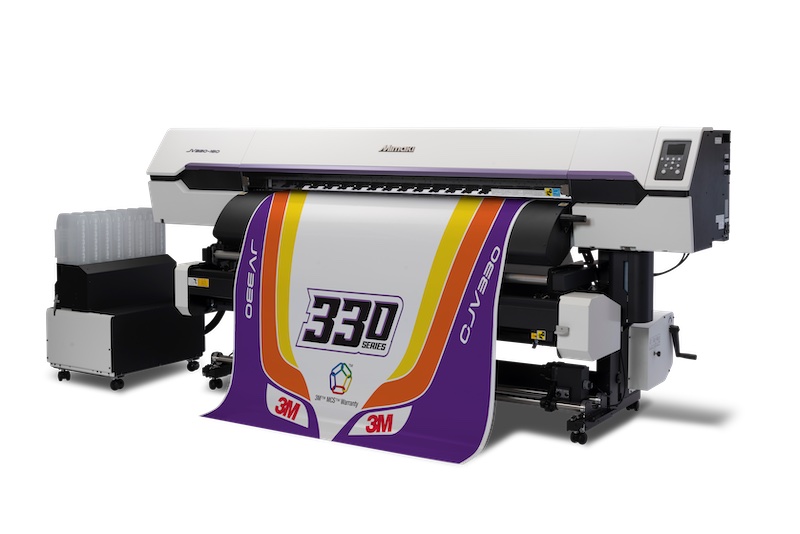

As eco solvent inks become more common in wide-format printing, understanding their potential health implications and the necessary safety measures is increasingly important. These inks are often marketed as a safer and more environmentally friendly alternative to traditional solvent-based inks, but it’s essential to recognize that “eco” does not mean risk-free. This article explores the eco solvent ink health effects, discusses how to minimize risks, and provides practical guidance for safe handling in print environments.
Whether you’re a print shop owner, operator, or someone considering a switch to eco solvent technology, knowing the facts about exposure, ventilation, and protective measures can help you maintain a healthier workspace. For those interested in the business side of printing, you may also want to explore eco solvent printing profit margins for a comprehensive look at the financial aspects.
What Are Eco Solvent Inks?
Eco solvent inks are a type of ink used primarily in large-format digital printers for applications such as banners, vehicle wraps, and outdoor signage. Unlike traditional solvent inks, which contain aggressive and highly volatile organic compounds (VOCs), eco solvent inks use milder solvents derived from mineral oils or other less hazardous sources. This composition reduces their odor and makes them less harsh on both the environment and human health.
Despite these improvements, eco solvent inks still contain chemicals that can affect indoor air quality and personal safety if not managed properly. Understanding their makeup and how they interact with the workplace environment is the first step toward minimizing any negative impact.
Potential Health Risks Associated With Eco Solvent Inks
While eco solvent inks are considered safer than their traditional counterparts, they are not completely free from health hazards. The main concerns arise from the low levels of VOCs and other additives present in the ink formulations. Here are some of the most common health effects linked to prolonged or improper exposure:
- Respiratory Irritation: Inhalation of solvent vapors, even at lower concentrations, can cause throat irritation, coughing, or shortness of breath, especially in poorly ventilated spaces.
- Skin Sensitization: Direct contact with ink can lead to skin dryness, redness, or allergic reactions in sensitive individuals.
- Eye Discomfort: Accidental splashes or exposure to vapors may result in eye irritation or watering.
- Long-Term Exposure: Although the risk is lower than with traditional solvents, chronic exposure to VOCs—even at reduced levels—may contribute to headaches, dizziness, or fatigue.
It’s important to note that the severity of these effects depends on the duration and intensity of exposure, as well as individual sensitivity.
Precautions for Safe Handling and Use
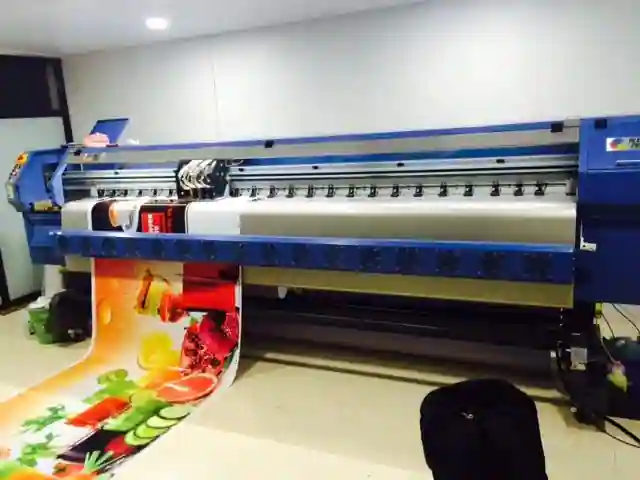
To reduce the likelihood of adverse health effects, it’s essential to follow best practices when working with eco solvent inks. Here are some effective safety measures:
- Ensure Adequate Ventilation: Operate printers in well-ventilated areas. Use exhaust fans or air filtration systems to disperse any lingering vapors.
- Wear Personal Protective Equipment (PPE): Gloves, safety glasses, and, if necessary, masks should be used when handling ink cartridges or cleaning printheads.
- Store Inks Properly: Keep ink containers tightly sealed when not in use and store them in a cool, dry place away from direct sunlight.
- Follow Manufacturer Guidelines: Always adhere to the safety instructions provided by the ink and printer manufacturers.
- Clean Spills Promptly: Wipe up any ink spills immediately to prevent skin contact and slip hazards.
By implementing these precautions, print operators can significantly lower the risk of exposure and maintain a healthier workspace.
Comparing Eco Solvent Inks to Other Ink Types
When evaluating the safety of eco solvent inks, it’s helpful to compare them with other common ink types:
| Ink Type | VOC Content | Odor | Health Risk Level |
|---|---|---|---|
| Traditional Solvent | High | Strong | High |
| Eco Solvent | Low | Mild | Moderate |
| Latex | Very Low | Minimal | Low |
| UV-Curable | Low | Mild | Moderate (skin/eye) |
As shown, eco solvent inks offer a safer alternative to traditional solvents but still require attention to proper handling and workspace safety. For those interested in optimizing their print workflow, consider reading about eco solvent ink icc profiles to ensure color accuracy and consistency.
Environmental and Workplace Considerations
In addition to personal health, eco solvent inks are designed to reduce environmental impact. They emit fewer VOCs, which means less contribution to indoor air pollution and smog formation. However, responsible disposal of ink cartridges and waste is still necessary to prevent environmental contamination.
For print shops, maintaining a clean and organized workspace, regularly servicing equipment, and training staff in safe ink handling are all part of a comprehensive approach to workplace safety.
Expert Insights and Further Reading
Industry experts generally agree that eco solvent inks strike a good balance between print quality, durability, and safety. However, ongoing research and technological advancements continue to improve ink formulations, making them even safer for both users and the environment. For a deeper dive into the science and safety of these inks, see this comprehensive guide to eco solvent ink technology.
If you’re looking to optimize your production, you might also benefit from resources like eco solvent ink print speed and eco solvent ink cost for practical tips on efficiency and budgeting.
FAQs About Eco Solvent Ink Safety
Are eco solvent inks completely non-toxic?
No ink is entirely non-toxic. Eco solvent inks are formulated to be less hazardous than traditional solvent inks, but they still contain chemicals that can cause irritation or other health effects if handled improperly. Always use recommended safety precautions.
Do I need special ventilation for eco solvent printers?
Yes, even though these inks emit fewer VOCs, adequate ventilation is necessary to disperse any vapors and maintain good indoor air quality. Use exhaust fans or air filtration systems as needed.
Can eco solvent ink cause allergic reactions?
Some individuals may develop skin sensitivity or allergic reactions after direct contact with the ink. Wearing gloves and avoiding skin exposure is the best way to prevent these issues.
How should I dispose of eco solvent ink waste?
Ink waste, cartridges, and cleaning materials should be disposed of according to local hazardous waste regulations. Never pour ink down the drain or throw cartridges in regular trash.
Conclusion
Eco solvent inks offer a safer and more environmentally responsible option for wide-format printing, but they are not without risks. By understanding the eco solvent ink health effects and following recommended safety practices, print professionals can protect themselves and their teams while delivering high-quality results. For those planning to start or expand a print business, reviewing the eco solvent printing startup cost breakdown can help with budgeting and planning.