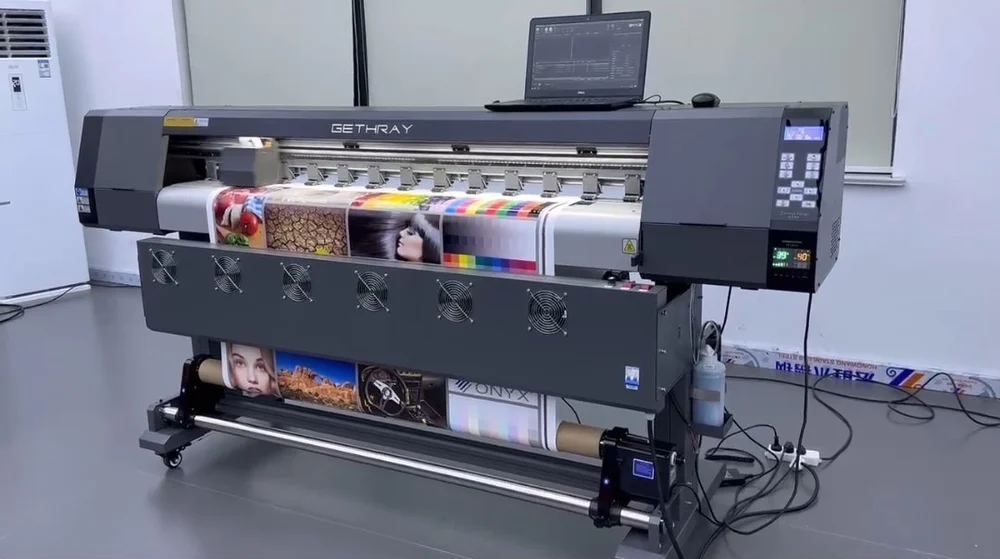

Large format printing has become a cornerstone of modern signage, advertising, and graphics production. Among the many technologies available, eco solvent ink large format printing stands out for its balance of vibrant results, durability, and environmental responsibility. This approach is widely used for indoor and outdoor applications, from banners to vehicle wraps, offering a compelling mix of quality and sustainability.
In this guide, you’ll learn how eco solvent inks work in wide-format printers, what makes them different from other ink types, and how to optimize your workflow for the best results. We’ll also cover maintenance, media compatibility, and frequently asked questions to help you get the most from your investment. For those looking to fine-tune their print process, the eco solvent ink rip workflow guide offers a detailed look at color management and software setup.
Understanding Eco Solvent Ink Technology
Eco solvent inks are formulated with mild, biodegradable solvents that carry the pigment or dye onto the print media. Unlike traditional solvent inks, which can emit strong odors and require special ventilation, eco solvent options are designed to be less toxic and more environmentally friendly. This makes them a preferred choice for businesses looking to reduce their ecological footprint without sacrificing print quality.
The chemistry behind these inks enables them to bond well with a wide range of materials, including vinyl, canvas, and coated papers. The result is prints that are not only vivid and sharp but also resistant to fading, scratching, and weather exposure.
Benefits of Eco Solvent Ink for Wide-Format Applications
Choosing eco solvent ink large format printing brings several advantages:
- Reduced Environmental Impact: Lower VOC emissions and biodegradable components help meet stricter environmental standards.
- Durability: Prints are water-resistant and UV-stable, making them suitable for outdoor signage and vehicle graphics.
- Versatility: Compatible with many substrates, from banners to adhesive films.
- Cost-Effectiveness: Longer-lasting prints mean fewer reprints and lower long-term costs.
- Improved Workplace Safety: Less hazardous fumes create a safer environment for operators.
For more on how these inks are used in commercial settings, see the eco solvent ink commercial printing resource.

Key Steps in the Eco Solvent Printing Workflow
Achieving optimal results with eco solvent inks involves several important steps:
- Media Selection: Choose substrates compatible with eco solvent chemistry, such as coated vinyl or specialty papers.
- Printer Setup: Calibrate your printer for the specific ink and media combination. For detailed calibration advice, refer to the eco solvent ink print calibration guide.
- RIP Software Configuration: Use a Raster Image Processor (RIP) to manage color profiles, resolution, and ink limits. This ensures accurate color reproduction and efficient ink usage.
- Print Execution: Monitor the print process for banding, color shifts, or other issues. Adjust settings as needed.
- Finishing: Depending on the application, consider laminating prints for extra protection. The eco solvent ink lamination guide covers best practices for this step.
Maintenance Tips for Consistent Performance
Regular care is essential to keep your printer running smoothly and to extend the life of both the machine and your prints. Here are some practical maintenance tips:
- Clean printheads and capping stations according to manufacturer recommendations.
- Use only compatible and high-quality eco solvent inks to prevent clogging and maintain color accuracy.
- Store ink cartridges and media in a controlled environment to avoid contamination.
- Update firmware and software regularly for improved performance and compatibility.
- Inspect and replace worn parts, such as wipers and dampers, as needed.
For a deeper dive into printer upkeep, see these maintenance tips for smoother printer operations and performance.

Common Applications and Industrial Uses
The flexibility of eco solvent ink makes it suitable for a broad range of uses. Popular applications include:
- Outdoor banners and billboards
- Vehicle wraps and fleet graphics
- Window decals and wall murals
- Trade show displays
- Backlit signage
For more on how these inks are transforming industrial production, visit the eco solvent ink industrial applications overview.
Media Compatibility and Print Longevity
One of the strengths of eco solvent ink large format printing is its compatibility with a wide variety of print media. Whether you’re working with self-adhesive vinyl, mesh, canvas, or specialty films, these inks provide strong adhesion and vibrant color. When paired with proper finishing techniques, such as lamination or UV coating, prints can last several years even in challenging outdoor environments.
To maximize lifespan, always match your ink and media to the intended application. For demanding outdoor projects, opt for media rated for UV exposure and pair with protective laminates.
Frequently Asked Questions
What makes eco solvent inks different from traditional solvent inks?
Eco solvent inks use milder, biodegradable solvents that emit fewer volatile organic compounds (VOCs). This results in a safer working environment and less environmental impact, while still delivering durable, high-quality prints.
Are eco solvent prints suitable for outdoor use?
Yes, prints made with eco solvent inks are water-resistant and UV-stable, making them ideal for outdoor signage, vehicle wraps, and other applications exposed to the elements.
How do I ensure color accuracy in my prints?
Use a calibrated printer and appropriate RIP software settings. Refer to the eco solvent ink print calibration resource for step-by-step guidance on achieving consistent color results.
Conclusion
Adopting eco solvent ink large format printing offers a practical path to high-quality, long-lasting graphics with a reduced environmental footprint. By understanding the technology, following best practices for workflow and maintenance, and choosing the right materials, print providers can deliver outstanding results for a wide range of applications. Explore the related guides linked throughout this article for deeper insights into optimizing your print process and expanding your capabilities.