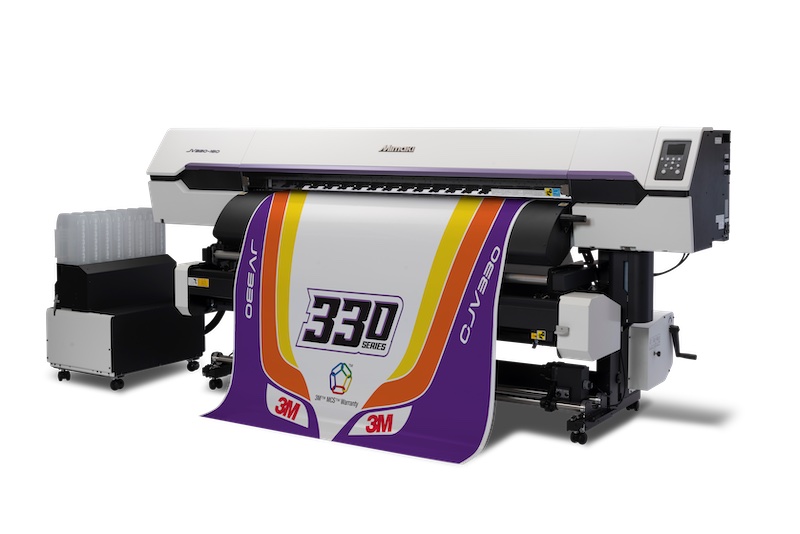

Eco solvent ink peeling is a common challenge faced by print professionals, sign makers, and anyone working with wide-format printers using eco solvent technology. When ink starts to lift, crack, or separate from the substrate, it can lead to wasted materials, dissatisfied clients, and costly reprints. Understanding why this happens—and how to prevent it—is essential for maintaining print quality and ensuring long-lasting results.
This article explores the main causes of ink adhesion issues, practical troubleshooting steps, and best practices for preventing peeling. Whether you’re new to eco solvent printing or looking to resolve recurring problems, you’ll find actionable advice to help you achieve better, more durable prints. For those interested in sustainable print trends, you may also want to explore trends in wood-grain and natural textures on print for additional insights.
Understanding Why Eco Solvent Ink Peels
Peeling occurs when the bond between the ink and the substrate fails. This can manifest as flaking, cracking, or full sections of ink lifting off the printed surface. The issue is especially problematic for outdoor signage, vehicle wraps, and banners, where durability is critical. Several factors contribute to this problem:
- Surface contamination: Dust, oils, or residues on the substrate can prevent ink from adhering properly.
- Incorrect media selection: Not all materials are compatible with eco solvent inks. Using the wrong vinyl, banner, or paper can result in poor adhesion.
- Improper drying or curing: If prints are handled before the ink has fully dried or cured, the bond may be weak.
- Environmental conditions: High humidity, low temperatures, or direct sunlight during printing or drying can affect ink performance.
- Poor ink quality or expired ink: Using low-grade or old ink can lead to chemical instability and weak adhesion.
Identifying which of these factors is at play is the first step toward resolving the issue and preventing future occurrences.
Common Causes of Ink Adhesion Failure
Let’s examine the most frequent reasons for eco solvent ink peeling and how each can impact your print results:
Surface Preparation Issues
One of the leading causes of peeling is inadequate cleaning of the substrate. Even invisible residues from manufacturing or handling can interfere with ink bonding. Always clean surfaces with a lint-free cloth and a suitable cleaning solution before printing. Avoid touching the print area with bare hands, as skin oils can also cause problems.
Media Compatibility Problems
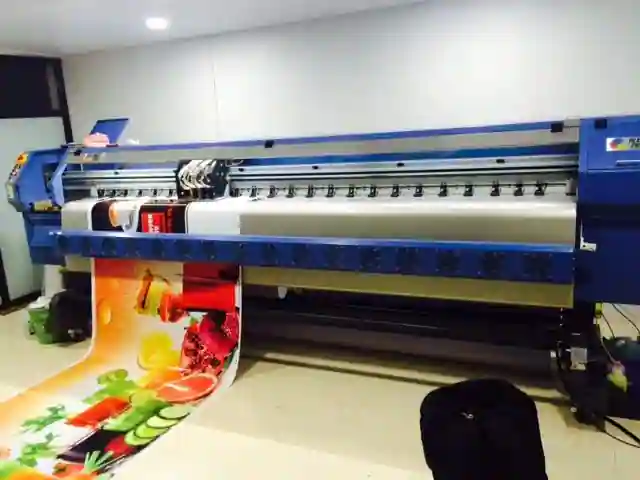
Eco solvent inks are formulated for specific types of media, such as coated vinyl or banners. Using uncoated or incompatible materials can result in poor ink absorption and weak adhesion. Always check the manufacturer’s recommendations for both ink and substrate. If you’re unsure, run a small test print and perform an adhesion test before starting a full production run.
Environmental and Handling Factors
Temperature and humidity play a significant role in how well ink bonds to the substrate. Printing in cold or damp environments can slow down drying and curing, increasing the risk of peeling. Similarly, stacking or rolling prints before they are fully dry can cause the ink to stick to itself and lift away from the substrate.
How to Troubleshoot and Fix Peeling Issues
When you notice ink lifting or separating, follow these steps to diagnose and resolve the problem:
- Inspect the substrate: Look for visible contaminants or inconsistencies in the material surface.
- Check ink expiration and storage: Ensure your ink is within its shelf life and has been stored according to manufacturer guidelines.
- Review printer settings: Confirm that temperature, print speed, and drying times are set correctly for your specific media and ink.
- Test environmental conditions: Use a hygrometer and thermometer to monitor your print room. Adjust as needed to stay within recommended ranges.
- Perform an adhesion test: After printing, use a strip of masking tape to check if the ink lifts easily. If it does, revisit your cleaning and media selection process.
In some cases, switching to a higher-quality ink or upgrading your media can resolve persistent issues. For those interested in alternatives, consider reading a guide to solvent-free printing processes for more sustainable solutions.
Best Practices to Prevent Peeling
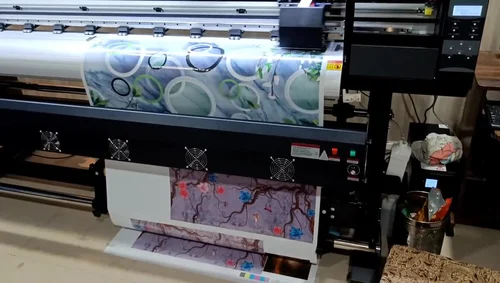
Prevention is always better than cure. By following these best practices, you can minimize the risk of ink adhesion problems and ensure your prints remain vibrant and durable:
- Clean substrates thoroughly before printing, using recommended cleaning agents and lint-free cloths.
- Choose compatible media designed for eco solvent inks. Consult your supplier or manufacturer for guidance.
- Store ink and media properly in a controlled environment, away from direct sunlight and extreme temperatures.
- Allow sufficient drying and curing time before handling, rolling, or laminating prints.
- Monitor environmental conditions in your print area to maintain optimal temperature and humidity.
- Regularly maintain your printer, including printhead cleaning and calibration, to ensure consistent ink delivery.
For more technical details on ink formulations and their impact on print durability, see this comprehensive overview of eco solvent ink technology.
When to Seek Professional Help
If you’ve tried all the recommended troubleshooting steps and still experience persistent peeling, it may be time to consult your equipment supplier or ink manufacturer. Sometimes, the issue may be related to printer hardware, outdated firmware, or a mismatch between ink and printhead technology. Professional technicians can perform in-depth diagnostics and recommend solutions tailored to your specific setup.
FAQ: Addressing Common Questions About Ink Peeling
What substrates are most prone to ink peeling?
Uncoated or low-quality vinyl, banners, and certain plastics are more likely to experience adhesion issues. Always use materials specifically designed for eco solvent printing to reduce the risk of peeling.
How can I test if my ink has adhered properly?
After printing and drying, apply a strip of masking tape to the printed area and peel it off quickly. If ink comes off with the tape, adhesion is poor. Re-evaluate your cleaning process and media choice.
Does laminating prints help prevent peeling?
Laminating can provide extra protection, but it won’t fix underlying adhesion problems. Ensure the ink is fully cured and well-bonded before laminating to avoid trapping moisture or causing further separation.
Conclusion
Ink peeling is a frustrating but solvable issue in eco solvent printing. By focusing on proper surface preparation, using compatible materials, maintaining optimal environmental conditions, and following best practices, you can greatly reduce the risk of adhesion failures. Staying informed about the latest print technologies and materials will also help you deliver high-quality, long-lasting results to your clients.