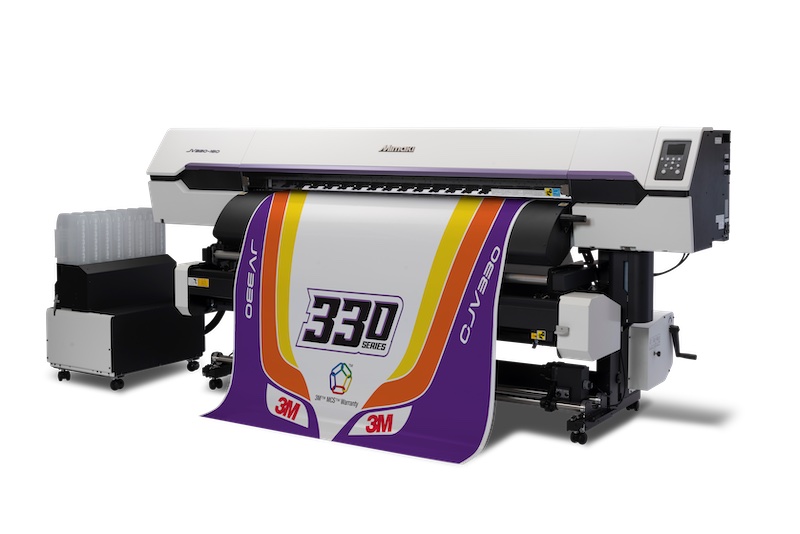

For print professionals, sign makers, and businesses seeking vibrant, durable graphics, understanding eco solvent ink print quality is essential. This type of ink has become a popular choice for wide-format printing due to its balance of environmental friendliness, color vibrancy, and media versatility. But what can you realistically expect from prints produced with eco solvent inks? This article explores the key aspects of output quality, factors that influence results, and how eco solvent compares to other ink technologies.
Before diving into the technical details, it’s helpful to recognize that eco solvent inks are designed to deliver strong performance on a wide range of substrates, from vinyl banners to vehicle wraps. Their unique formulation offers a middle ground between traditional solvent and water-based inks, making them a go-to solution for many commercial print applications.
For those interested in broader industry trends, you may also want to explore trends in wood-grain and natural textures on print to see how surface effects and ink technologies are evolving together.
Understanding Output: Color, Detail, and Durability
When evaluating the results from eco solvent printing, three main areas come into focus: color reproduction, image sharpness, and longevity. Each of these contributes to the overall impression and effectiveness of the final product.
- Color Vibrancy: Eco solvent inks are known for producing rich, saturated colors. Thanks to their pigment-based formulation, they offer a wide color gamut—meaning more accurate and vivid hues, especially on coated and uncoated vinyls.
- Sharpness and Detail: Modern eco solvent printers can achieve high resolutions, often up to 1440 dpi. This allows for crisp text, fine gradients, and photographic images with smooth transitions and minimal banding.
- Outdoor Durability: One of the standout features is resistance to fading, water, and abrasion. Prints can last up to 3–5 years outdoors without lamination, depending on exposure and substrate.
These characteristics make eco solvent a strong choice for signage, vehicle graphics, and outdoor advertising, where both appearance and resilience matter.
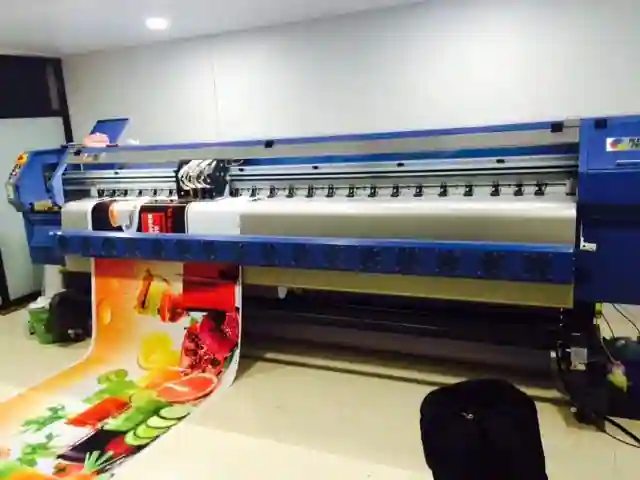
Factors That Influence Eco Solvent Ink Print Quality
While the ink itself plays a major role, several other elements affect the final output. Understanding these can help you optimize results and avoid common pitfalls.
- Printer Technology: The type and age of your printer, printhead condition, and firmware all impact image sharpness and color consistency. Newer machines often have better droplet control and advanced color management.
- Media Selection: Not all substrates are created equal. Eco solvent inks work best on compatible vinyls, banners, and specialty films. Using the right media ensures proper ink adhesion and reduces the risk of smudging or color shifts.
- Print Settings: Resolution, pass count, and drying temperature can be adjusted to balance speed and quality. Higher resolutions yield finer detail but may slow production.
- Environmental Conditions: Humidity and temperature in the print room can affect drying times and ink absorption, so maintaining a stable environment is important.
For those interested in reducing chemical exposure and environmental impact, you may want to read this guide to solvent-free printing processes for alternative approaches.
Comparing Eco Solvent to Other Ink Technologies
Eco solvent inks are often compared to true solvent, latex, and UV-curable inks. Each has its own strengths and weaknesses in terms of print quality, application, and environmental impact.
| Ink Type | Color Gamut | Durability | Media Compatibility | Environmental Impact |
|---|---|---|---|---|
| Eco Solvent | Wide | 3–5 years outdoors | Vinyl, banner, film | Lower VOCs, less odor |
| True Solvent | Very wide | Up to 7 years | Wide range | High VOCs, strong odor |
| Latex | Wide | 3–5 years | Broad (including paper) | Water-based, low VOCs |
| UV Curable | Moderate | 5+ years | Rigid & flexible | No VOCs, instant cure |
Eco solvent stands out for its balance of vibrant color, durability, and relatively low environmental impact. While true solvent may last longer outdoors, it comes with higher emissions and odor. Latex and UV inks offer other benefits, but may not match the same color depth on certain vinyls.
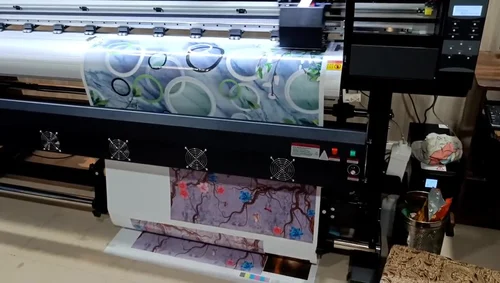
Best Practices for Achieving Superior Results
To get the most from your eco solvent printer, consider these practical tips:
- Regular Maintenance: Clean printheads and perform nozzle checks to prevent banding or color loss.
- Use Compatible Media: Always select substrates rated for eco solvent inks to avoid adhesion and drying issues.
- Optimize Print Profiles: Use ICC color profiles tailored for your ink and media combination for accurate color reproduction.
- Allow Proper Curing: Even though eco solvent inks dry faster than traditional solvents, allow prints to cure fully before handling or laminating.
- Store Inks Correctly: Keep ink cartridges in a cool, dry place and use them before the expiration date for consistent results.
For those working with specialty packaging, see what is sublimation printing for specialty packaging for a look at alternative ink technologies and their unique print characteristics.
Applications Where Eco Solvent Ink Quality Shines
Prints produced with eco solvent inks are widely used in:
- Outdoor banners and billboards
- Vehicle wraps and fleet graphics
- Window decals and floor graphics
- Indoor signage for retail and events
- Labels and stickers requiring weather resistance
These applications benefit from the combination of vibrant color, fine detail, and outdoor durability that eco solvent technology provides.
For a deeper technical dive into maximizing image clarity on challenging substrates, you might find how to achieve photographic quality on corrugated flutes helpful.
Environmental Considerations and Safety
One of the main advantages of eco solvent inks is their lower emission of volatile organic compounds (VOCs) compared to traditional solvent inks. This makes them safer for operators and more suitable for indoor print environments. While not completely free of solvents, their reduced odor and toxicity are significant improvements.
For more details on the chemistry and environmental profile of these inks, see this comprehensive overview of eco solvent ink technology.
FAQ: Eco Solvent Ink Print Quality
How long do eco solvent prints last outdoors?
With proper media and installation, prints made with eco solvent inks can last 3–5 years outdoors without significant fading. Adding a UV laminate can extend this lifespan further, especially in harsh climates.
Can eco solvent inks produce photographic-quality images?
Yes, modern eco solvent printers can achieve high resolutions and smooth gradients, making them suitable for photographic images, fine art reproductions, and detailed graphics. The key is to use high-quality media and optimized print settings.
Are eco solvent prints safe for indoor use?
Eco solvent inks emit fewer VOCs and have a much lower odor than traditional solvent inks, making them safer for indoor environments. However, good ventilation is still recommended during large print runs.
What substrates work best with eco solvent inks?
These inks are ideal for coated and uncoated vinyl, banners, self-adhesive films, and some specialty papers. Always check media compatibility to ensure optimal adhesion and color performance.
How does eco solvent compare to latex or UV inks?
Eco solvent offers a strong balance of color vibrancy, durability, and cost-effectiveness for outdoor graphics. Latex inks are water-based and even more environmentally friendly, while UV inks cure instantly and can print on rigid materials. The best choice depends on your specific application and workflow needs.
In summary, eco solvent ink print quality delivers vibrant, durable, and versatile results for a wide range of signage and graphics applications. By understanding the factors that influence output and following best practices, you can achieve professional results that stand the test of time.