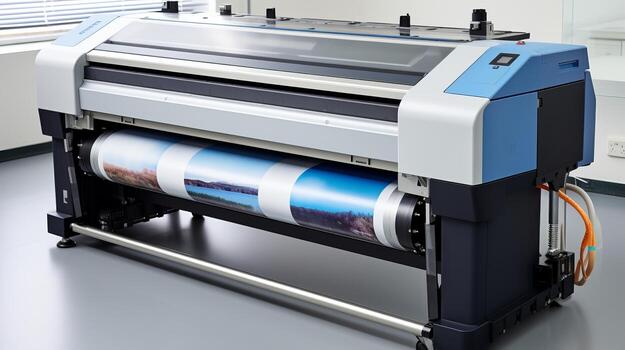

Eco solvent ink recycling is gaining attention as print shops, sign makers, and graphic producers look for ways to reduce environmental impact and manage waste responsibly. With the rise of large-format printing and the widespread use of eco solvent inks, understanding how to properly dispose of or recycle these materials is essential for both regulatory compliance and sustainability goals.
Eco solvent inks are formulated to be less toxic and more environmentally friendly than traditional solvent inks, but they still require careful handling at the end of their lifecycle. This article breaks down the main recycling and disposal options, practical steps for businesses, and the benefits of adopting greener practices in the print industry.
For those interested in broader sustainable print trends, you may also want to explore trends in wood-grain and natural textures on print for additional insights on eco-conscious materials and finishes.
Understanding Eco Solvent Ink and Its Environmental Impact
Eco solvent inks are widely used in wide-format printing for banners, signage, and vehicle wraps. They are designed to emit fewer volatile organic compounds (VOCs) than traditional solvent inks, making them safer for operators and the environment. However, even these improved formulations can pose risks if not managed properly at the end of use.
Improper disposal can lead to chemical contamination in landfills or water systems. Recycling and responsible disposal not only help protect the environment but can also demonstrate a business’s commitment to sustainability, which is increasingly valued by customers and regulatory bodies.
Key Methods for Eco Solvent Ink Recycling
There are several approaches to managing leftover or waste eco solvent ink. The most suitable method depends on the volume of waste, local regulations, and available infrastructure.
- Ink Cartridge and Container Recycling: Many manufacturers and third-party providers offer take-back programs for empty ink cartridges, bottles, and containers. These programs ensure that plastics and metals are processed correctly and kept out of landfills.
- Liquid Ink Recovery: Specialized recycling services can collect and process leftover ink, separating usable solvents and pigments for reuse or safe disposal. This is particularly useful for high-volume print operations.
- Hazardous Waste Collection: In regions where ink waste is classified as hazardous, local authorities or certified waste handlers can collect and treat the material according to environmental regulations.
- On-Site Waste Minimization: Implementing best practices—such as using refillable cartridges, optimizing print runs, and minimizing cleaning cycles—can reduce the amount of ink waste generated in the first place.
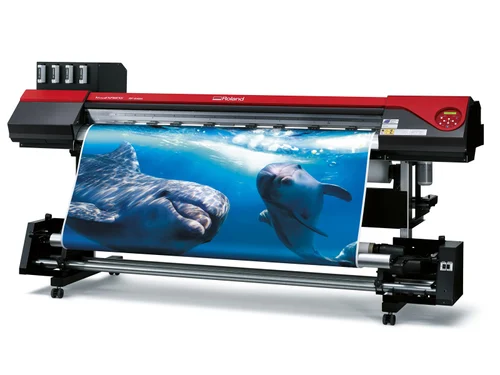
How to Set Up an Effective Ink Recycling Program
Establishing a recycling routine for eco solvent inks can be straightforward with the right planning. Here are some practical steps for businesses looking to improve their waste management:
- Audit Your Ink Usage: Track how much ink is used and wasted each month. This helps identify opportunities to reduce waste and select the most appropriate recycling options.
- Partner with Certified Recyclers: Work with vendors or local recycling centers that accept ink cartridges, containers, and liquid waste. Confirm they follow environmentally sound practices.
- Educate Staff: Train employees on proper ink handling, storage, and disposal procedures. Clear labeling and designated collection points can prevent accidental contamination.
- Document Compliance: Keep records of waste shipments and recycling activities. This can be important for environmental audits and regulatory reporting.
Comparing Eco Solvent Ink Recovery to Other Sustainable Printing Practices
While recycling is a key part of sustainable printing, it is just one aspect. Many print businesses are also exploring solvent-free printing processes and alternative ink technologies to further reduce environmental impact. Comparing different ink types and recycling methods can help businesses make informed decisions about their sustainability strategies.
For a detailed look at the differences between ink technologies, see this comparison of UV ink and eco solvent ink which highlights environmental and performance considerations.
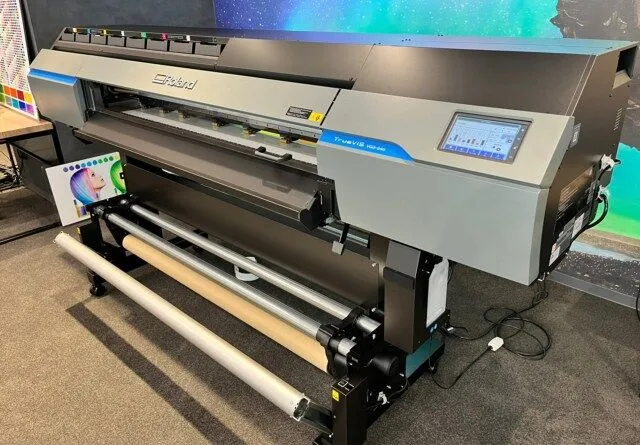
Benefits of Recycling Eco Solvent Ink Waste
Adopting a responsible approach to ink waste offers several advantages:
- Environmental Protection: Prevents harmful chemicals from entering landfills and water systems.
- Regulatory Compliance: Meets local and national waste management regulations, reducing the risk of fines or legal issues.
- Cost Savings: Some recycling programs offer rebates or reduced disposal fees for participating businesses.
- Improved Reputation: Demonstrates a commitment to sustainability, which can attract environmentally conscious clients and partners.
For those seeking even more sustainable print solutions, exploring what is sublimation printing for specialty packaging can provide ideas for reducing solvent use altogether.
Challenges and Considerations in Ink Waste Management
While the benefits are clear, there are some challenges to consider:
- Availability of Recycling Services: Not all regions have access to specialized ink recycling facilities. Businesses may need to coordinate with manufacturers or third-party providers.
- Cost and Logistics: Collection, storage, and transportation of ink waste can add operational complexity, especially for smaller print shops.
- Regulatory Differences: Waste classification and disposal rules vary by location, so it’s important to stay informed about local requirements.
Despite these hurdles, the print industry is making progress. New technologies and increased demand for sustainable products are driving improvements in recycling infrastructure and ink formulation.
Frequently Asked Questions
Can eco solvent ink cartridges be recycled with regular plastics?
No, ink cartridges and containers should not be placed in standard plastic recycling bins. They often contain residual ink and specific materials that require specialized processing. Always use manufacturer take-back programs or certified recycling services.
Is it safe to pour leftover eco solvent ink down the drain?
Pouring ink down the drain is not recommended and may be illegal in many areas. Even eco-friendly inks can contain chemicals that harm water systems. Use approved waste collection or recycling methods instead.
Are there alternatives to solvent-based inks for sustainable printing?
Yes, options such as water-based, latex, and UV-curable inks are available. For more on solvent-free approaches, see this guide to solvent-free printing processes for practical advice and comparisons.
How can I reduce the amount of ink waste in my print shop?
Implementing refillable cartridges, optimizing print layouts, and training staff on best practices can significantly cut down on waste. Regular maintenance and careful planning also help minimize leftover ink.
Conclusion
Responsible management of eco solvent ink waste is crucial for environmental stewardship and regulatory compliance in the print industry. By exploring recycling options, partnering with certified providers, and staying informed about sustainable alternatives, businesses can reduce their ecological footprint and contribute to a greener future for printing.