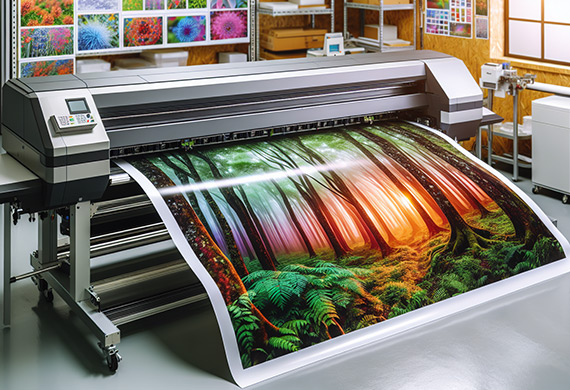

Canvas printing has become a popular choice for artists, photographers, and businesses seeking vibrant, long-lasting prints. Among the many ink technologies available, eco solvent ink for canvas printing stands out for its balance of quality, durability, and environmental friendliness. This article explores practical tips, key uses, and important considerations for anyone interested in using this ink technology for canvas applications.
Before diving into technical advice, it’s helpful to understand how eco solvent inks differ from traditional options. These inks use mild, biodegradable solvents, making them less harmful to the environment and safer for indoor use. Their compatibility with a wide range of media, including canvas, has made them a preferred choice for both commercial and personal projects.
For those interested in broader trends in specialty printing, you may also want to read about what is sublimation printing for specialty packaging and how it compares to solvent-based processes.
Understanding Eco Solvent Ink for Canvas Applications
Eco solvent ink is formulated with less aggressive solvents than traditional inks, resulting in lower emissions and reduced odor. This makes it suitable for indoor graphics and canvas art intended for homes, offices, and galleries. The ink penetrates the canvas fibers, producing vivid colors and sharp details while maintaining flexibility and resistance to cracking.
Key benefits of using this ink type for canvas include:
- Vibrant color reproduction – Ideal for artwork, photography, and promotional displays.
- Durability – Resistant to water, UV light, and abrasion, ensuring prints last for years.
- Eco-friendliness – Lower VOC emissions and safer handling compared to traditional solvent inks.
- Versatility – Compatible with various canvas types, including cotton and polyester blends.
Choosing the Right Canvas and Printer
To achieve the best results with eco solvent ink for canvas printing, it’s essential to select compatible materials and equipment. Not all canvases are designed for solvent-based inks, so look for products labeled as “solvent receptive” or “inkjet compatible.” These canvases have special coatings that allow the ink to bond properly, resulting in crisp images and consistent color.
When it comes to printers, wide-format models equipped with eco solvent ink systems are the industry standard. These machines offer precise color management and support for various media sizes, making them suitable for both small art prints and large banners.
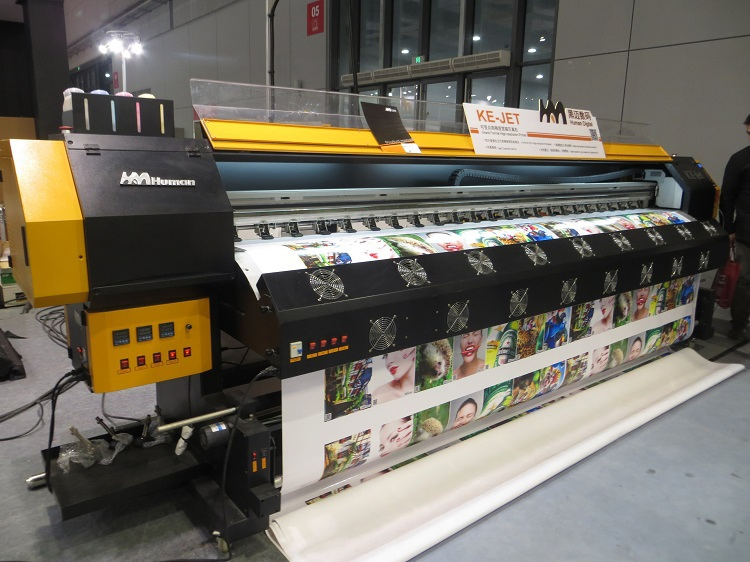
Best Practices for Printing on Canvas with Eco Solvent Inks
Getting the most out of your eco solvent ink setup requires attention to detail at every stage. Here are some practical tips for optimal results:
- Prepare the Canvas: Ensure the canvas is clean, dust-free, and properly stretched or mounted. Wrinkles or debris can affect print quality.
- Use the Correct Print Settings: Adjust your printer’s settings for canvas media. Lower print speeds and higher resolution modes often yield better detail and color accuracy.
- Monitor Temperature and Humidity: Environmental factors can impact ink adhesion and drying. Maintain stable conditions in your print area for consistent results.
- Allow Adequate Drying Time: Although eco solvent inks dry faster than traditional solvents, it’s best to let prints cure for at least 24 hours before handling or finishing.
- Apply Protective Coatings: For added durability, consider applying a clear varnish or liquid laminate. This step enhances UV resistance and protects against scratches.
For those seeking to further minimize environmental impact, exploring a guide to solvent-free printing processes can provide additional insights into sustainable printing alternatives.
Creative Uses for Eco Solvent Canvas Prints
The versatility of eco solvent ink for canvas printing opens up a wide range of creative and commercial applications. Some popular uses include:
- Fine Art Reproductions: Artists and galleries rely on this technology for museum-quality prints that capture every nuance of the original work.
- Photo Canvases: Photographers can offer clients durable, vibrant wall art suitable for both indoor and outdoor display.
- Commercial Signage: Retailers and businesses use canvas banners and displays for promotions, thanks to the ink’s weather resistance and color stability.
- Interior Décor: Custom-printed canvases are a popular choice for home and office decoration, offering endless design possibilities.
For packaging professionals, learning about trends in wood-grain and natural textures on print can complement your understanding of how canvas and other specialty substrates are shaping modern branding.
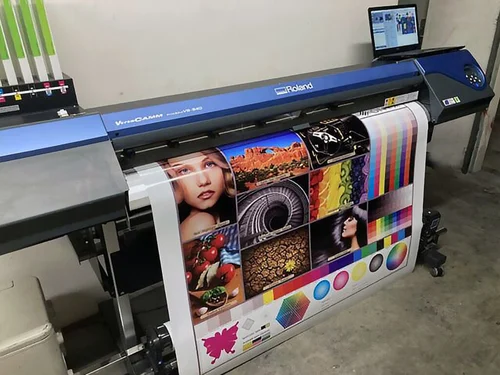
Maintenance and Longevity of Eco Solvent Canvas Prints
One of the key advantages of using eco solvent inks is the longevity of the finished product. With proper care, canvas prints can maintain their vibrancy and structural integrity for many years. Here are some maintenance tips:
- Keep Away from Direct Sunlight: While the inks are UV resistant, prolonged exposure to intense sunlight can eventually cause fading.
- Clean Gently: Dust the surface with a soft, dry cloth. Avoid using water or cleaning agents unless the print is protected with a suitable coating.
- Store Properly: If not displaying the print, store it in a cool, dry place, rolled or flat, to prevent warping or damage.
For those interested in the technical background and further reading, the SAM INK blog provides a comprehensive overview of eco solvent ink technology and its applications.
Comparing Eco Solvent Inks with Other Printing Technologies
When selecting an ink system for canvas, it’s useful to compare eco solvent inks with other popular options:
| Ink Type | Durability | Environmental Impact | Best Use Cases |
|---|---|---|---|
| Eco Solvent | High (water & UV resistant) | Moderate (lower VOCs) | Art, signage, décor |
| Water-Based | Moderate (less outdoor use) | Low (no solvents) | Indoor art, posters |
| UV-Curable | Very High | Moderate (no VOCs, but energy intensive) | Rigid substrates, signage |
| Latex | High | Low (water-based, low emissions) | Banners, wallcoverings |
Each technology has its strengths, but for a balance of quality, durability, and eco-consciousness, eco solvent ink for canvas printing remains a top choice for many professionals.
Frequently Asked Questions
Is eco solvent ink safe for indoor canvas prints?
Yes, eco solvent inks are designed with reduced volatile organic compounds (VOCs), making them safer for indoor environments compared to traditional solvent inks. They emit less odor and are suitable for home, office, and gallery settings.
How long do eco solvent canvas prints last?
With proper care and display conditions, prints made with eco solvent inks can last several years without significant fading or deterioration. Applying a protective coating can further extend their lifespan, especially in high-traffic or sun-exposed areas.
Can I use any canvas with eco solvent inks?
Not all canvases are compatible. For best results, use canvases labeled as “solvent receptive” or “inkjet compatible.” These have special coatings that ensure proper ink adhesion and color vibrancy.
What are the environmental benefits of eco solvent inks?
Eco solvent inks use milder, biodegradable solvents, resulting in lower emissions and reduced environmental impact. They are a more sustainable alternative to traditional solvent inks and are safer for operators and end-users.
For more information on achieving high-quality results with other substrates, see our article on how to achieve photographic quality on corrugated flutes.