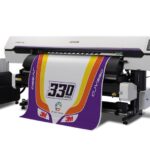
Investing in eco solvent ink for large-format printing can be a significant decision for print businesses, sign shops, and graphic producers. Understanding the return on investment (ROI) is crucial for making informed choices about equipment, supplies, and workflow. This guide walks through the essential steps and considerations for accurately assessing the financial impact of switching to or upgrading with eco solvent ink technology.
By evaluating costs, potential savings, and revenue opportunities, you can determine whether eco solvent ink aligns with your business goals. For those comparing ink types, you may also find value in reading the eco solvent ink vs uv ink comparison, which explores performance and application differences.
Understanding the Basics of ROI for Eco Solvent Ink
Calculating the ROI for eco solvent ink involves more than just comparing ink prices. It requires a comprehensive look at all costs and benefits associated with adopting this technology. ROI, or return on investment, measures the profitability of an investment relative to its cost. For print businesses, this means considering not only the price of ink but also printer compatibility, maintenance, print quality, and potential revenue growth.
Eco solvent inks are known for their low environmental impact, vibrant color output, and compatibility with a wide range of media. They are often chosen for outdoor signage, banners, and vehicle wraps due to their durability and weather resistance. To fully understand the financial implications, it is important to break down both the direct and indirect factors that influence ROI.
Key Factors in Eco Solvent Ink ROI Calculation
A thorough eco solvent ink ROI calculation should account for several variables. Here are the most important elements to include:
- Ink Cost per Liter: The price you pay for eco solvent ink, which can vary depending on brand and supplier.
- Printer Efficiency: How much ink your printer consumes per square meter or per job.
- Media Compatibility: The range and cost of printable materials compatible with eco solvent inks.
- Maintenance and Downtime: Frequency and cost of cleaning cycles, printhead replacements, and other routine maintenance.
- Energy Consumption: Power usage of your printer during operation and standby.
- Labor Costs: Time spent on setup, maintenance, and troubleshooting.
- Print Quality and Customer Satisfaction: Higher quality prints can command premium pricing and lead to repeat business.
- Waste Reduction: Eco solvent inks often produce less waste, which can lower disposal costs.
By quantifying each of these factors, you can build a more accurate picture of your true costs and potential gains.
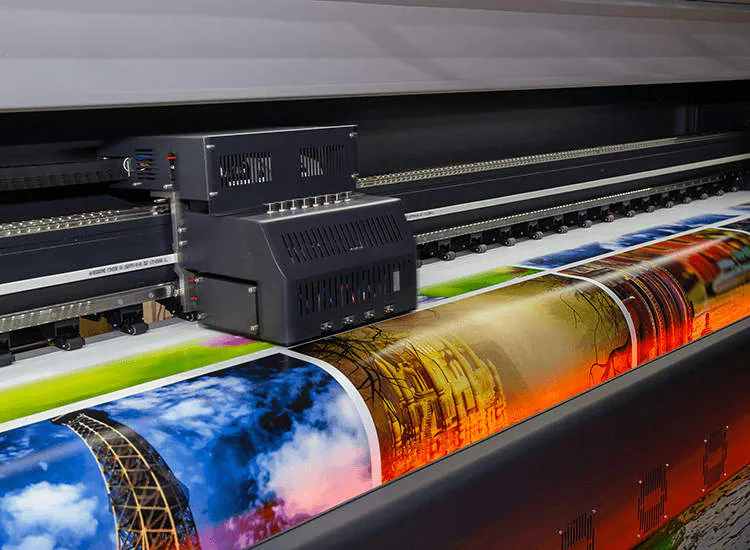
Step-by-Step Guide to Calculating ROI for Eco Solvent Ink
To perform a reliable ROI analysis, follow these steps:
1. Calculate Total Ink Usage and Cost
Start by determining your average ink consumption per month. Multiply this by the cost per liter to get your total monthly ink expenditure.
2. Factor in Printer and Maintenance Expenses
Add the monthly cost of printer maintenance, including cleaning cycles, printhead replacements, and any downtime that affects productivity. For more on printer upkeep, see the cleaning cycles in latex printing guide.
3. Include Media and Energy Costs
Calculate the cost of printable materials and estimate your printer’s energy consumption. These operational expenses can add up, especially in high-volume environments.
4. Estimate Revenue from Printed Output
Project your monthly revenue based on the volume and type of jobs completed. Consider whether eco solvent ink allows you to offer new products or charge higher prices for improved quality.
5. Assess Indirect Benefits and Savings
Don’t overlook factors like reduced waste, fewer reprints due to improved quality, and enhanced customer satisfaction. These can lead to cost savings and increased repeat business.
6. Calculate ROI
Use the following formula to determine your return:
ROI (%) = [(Total Revenue – Total Costs) / Total Costs] x 100
This calculation gives you a percentage that reflects the profitability of your investment in eco solvent ink.
Comparing Eco Solvent Ink to Other Printing Technologies
When evaluating the financial impact of eco solvent ink, it’s helpful to compare it to other ink technologies. For instance, eco solvent ink vs solvent ink highlights differences in cost, durability, and environmental impact. Similarly, UV-curable inks offer unique benefits but may involve higher initial investments and different maintenance routines.
For a deeper understanding of eco solvent printing processes and their advantages, you can refer to this comprehensive overview of eco solvent printing.
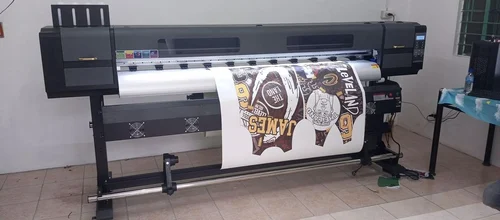
Maximizing Your Return with Eco Solvent Ink
To get the most out of your investment, focus on optimizing both costs and output quality. Here are some practical tips:
- Choose high-yield, reliable eco solvent inks to minimize waste and reprints.
- Regularly maintain your printer to avoid costly breakdowns and ensure consistent print quality.
- Train staff on efficient printing practices and proper equipment care.
- Monitor ink and media usage to identify areas for cost reduction.
- Offer premium products or services that leverage the strengths of eco solvent printing, such as outdoor graphics or custom banners.
- Stay informed about new technologies and best practices by reading resources like the how to avoid ink clogging guide.
By implementing these strategies, print businesses can improve their bottom line and maintain a competitive edge in the market.
Frequently Asked Questions
What are the main cost components in eco solvent ink ROI analysis?
The primary costs include ink purchase price, printer maintenance, media expenses, energy consumption, and labor. Indirect costs such as waste disposal and downtime should also be considered for a complete analysis.
How does eco solvent ink compare to other ink types in terms of ROI?
Eco solvent ink often delivers a favorable ROI due to its durability, versatility, and lower environmental impact. However, the actual return depends on your specific print volume, application types, and operational efficiency.
Can switching to eco solvent ink increase my print shop’s revenue?
Yes, adopting eco solvent ink can open up new product offerings, such as outdoor signage and vehicle wraps, and improve print quality. These factors can help attract new customers and justify premium pricing, potentially boosting revenue.
What steps can I take to improve my ROI with eco solvent ink?
Focus on reducing waste, maintaining equipment, training staff, and offering high-value print products. Regularly review your costs and seek out new efficiencies in your workflow.