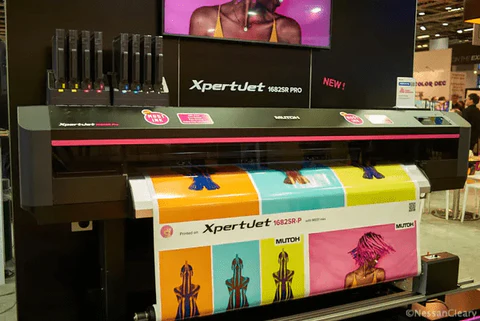

Working with eco solvent inks offers a balance between high-quality print results and reduced environmental impact, but it’s essential to follow proper eco solvent ink safety guidelines to protect yourself, your team, and your workspace. These inks, while less hazardous than traditional solvent-based options, still contain chemicals that require careful handling. Understanding the right safety procedures ensures both effective printing and long-term health.
Whether you’re new to large-format printing or looking to refine your studio’s safety protocols, this guide covers the most important steps for safe storage, handling, and disposal of eco solvent inks. You’ll also find practical advice on ventilation, personal protective equipment, and maintaining a safe work environment.
For those interested in the business side of things, understanding eco solvent printing profit margins can help you make informed decisions about your print shop’s operations and investments.
Understanding the Basics of Eco Solvent Ink Safety
Eco solvent inks are formulated to be less toxic and more environmentally friendly than traditional solvent inks. However, they still contain organic compounds that can pose health risks if not managed properly. Following eco solvent ink safety guidelines helps reduce exposure to potentially harmful vapors and accidental spills.
- Reduced VOCs: These inks emit fewer volatile organic compounds, but ventilation is still necessary.
- Skin and Eye Contact: Direct contact can cause irritation. Always use protective gear.
- Proper Storage: Keeping inks in sealed, labeled containers prevents leaks and accidental exposure.
Personal Protective Equipment (PPE) for Safe Handling
Wearing the right PPE is a fundamental part of safe ink handling. Even though eco solvent inks are less aggressive, they can still cause skin and eye irritation or respiratory discomfort if mishandled.
- Gloves: Use chemical-resistant gloves when pouring or refilling ink cartridges.
- Eye Protection: Safety goggles protect against accidental splashes.
- Masks: In poorly ventilated areas, a mask rated for organic vapors is recommended.
- Aprons: A protective apron or lab coat shields your clothing and skin from drips or spills.
Ventilation and Workspace Setup
Good airflow is a key part of any eco solvent ink safety protocol. Even with lower emissions, prolonged exposure to ink vapors can cause headaches or respiratory irritation.
- Install exhaust fans or open windows to keep air circulating.
- Position printers near ventilation sources.
- Regularly check and maintain air filters in your workspace.
Safe Storage and Labeling Practices
Proper storage not only extends the shelf life of your inks but also minimizes the risk of accidental exposure or spills. Always store ink containers in a cool, dry place away from direct sunlight and heat sources.
- Keep all containers tightly sealed when not in use.
- Label each container clearly with the ink type and date of purchase.
- Store inks away from food, beverages, and incompatible chemicals.
- Use spill trays or secondary containment to catch leaks.
Handling Spills and Accidents
Even with careful handling, spills can happen. Having a clear plan for managing accidents is a crucial part of any eco solvent ink safety guidelines strategy.
- Contain the Spill: Use absorbent pads or paper towels to prevent the ink from spreading.
- Clean Up: Wear gloves and dispose of used materials in accordance with local regulations.
- Ventilate: Increase airflow in the area to disperse any vapors.
- Report: Document significant spills and inform your supervisor or safety officer if required.
Disposal and Environmental Considerations
Disposing of eco solvent inks and related waste responsibly is essential for environmental safety. Never pour leftover ink down the drain or into the trash.
- Collect used inks and cleaning materials in designated hazardous waste containers.
- Follow local regulations for hazardous waste disposal.
- Recycle empty ink cartridges through approved programs when possible.
Printer Maintenance and Safety Checks
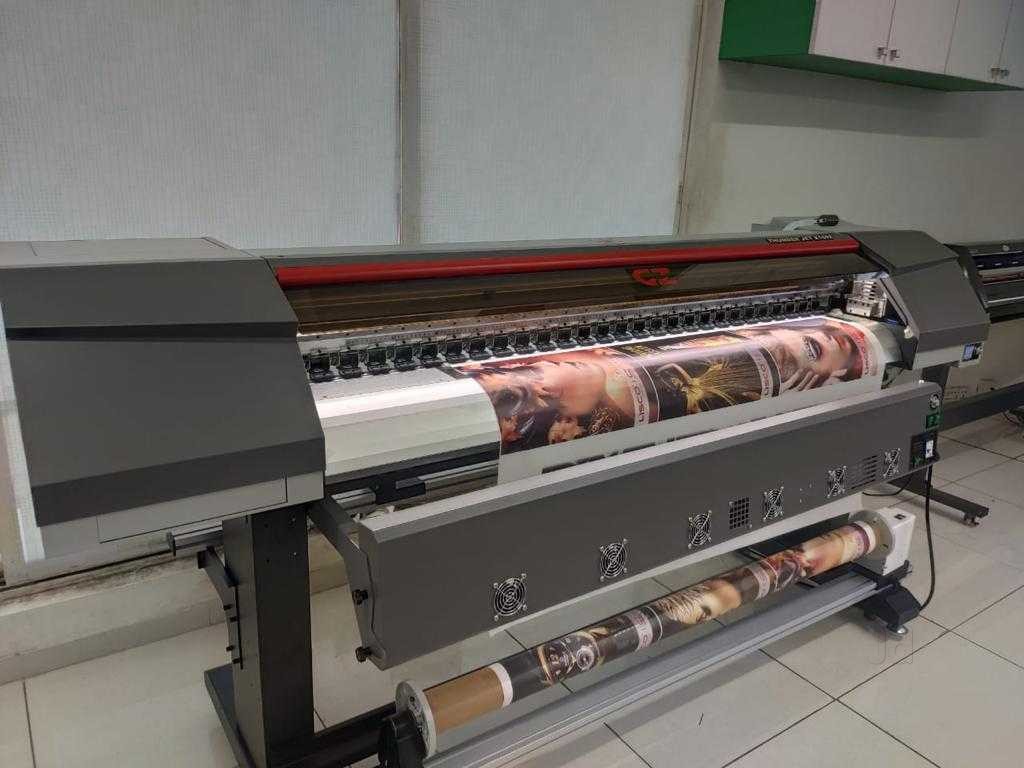
Regular maintenance of your printing equipment not only ensures print quality but also supports a safer workspace. Ink leaks, clogged nozzles, or faulty cartridges can increase the risk of exposure.
- Inspect printers for leaks or damage before each use.
- Clean print heads and surrounding areas with appropriate cleaning solutions.
- Replace worn or damaged parts promptly.
- Consult your printer’s manual for specific maintenance recommendations.
For those looking to optimize their workflow, check out this eco solvent ink print speed guide for tips on balancing efficiency and safety.
Training and Documentation for Staff
Ensuring everyone in your workspace understands eco solvent ink safety guidelines is vital. Regular training sessions and accessible documentation help prevent accidents and keep safety top of mind.
- Provide safety data sheets (SDS) for all inks and chemicals used.
- Train all staff on safe handling, storage, and emergency procedures.
- Post emergency contact numbers and first aid instructions in visible locations.
Additional Resources and Industry Standards
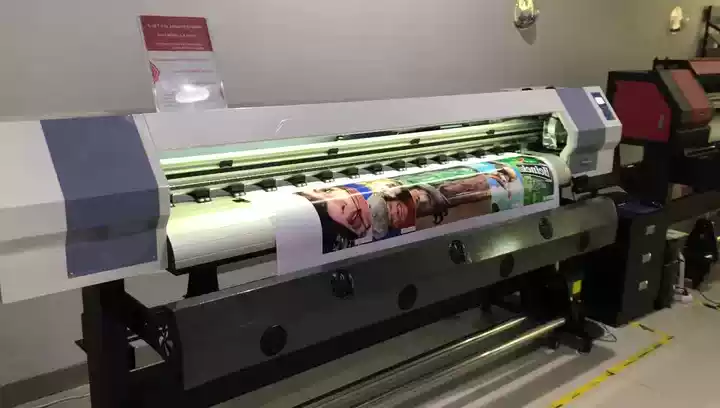
Staying informed about the latest industry standards and best practices is crucial for maintaining a safe print environment. For a deeper dive into the technology and benefits of these inks, see this comprehensive overview of eco solvent printing.
If you’re setting up a new print shop, understanding the eco solvent printing startup cost can help you plan for both equipment and safety investments.
FAQs About Safe Use of Eco Solvent Inks
What are the main health risks associated with eco solvent inks?
While these inks are less hazardous than traditional solvents, they can still cause skin and eye irritation, and inhalation of vapors may lead to headaches or respiratory discomfort. Proper ventilation and personal protective equipment reduce these risks.
How should I dispose of unused eco solvent ink?
Unused ink and contaminated materials should be collected in designated hazardous waste containers and disposed of according to local regulations. Never pour ink down the drain or throw it in the regular trash.
Is special training required to handle eco solvent inks safely?
Yes, all staff should receive training on safe handling, storage, spill response, and emergency procedures. Providing safety data sheets and regular refresher sessions helps maintain a safe workplace.
Can eco solvent inks be used in poorly ventilated spaces?
It’s not recommended. Even though emissions are lower, good ventilation is essential to prevent buildup of vapors and protect respiratory health.
Conclusion
Adhering to eco solvent ink safety guidelines is essential for anyone working with these inks, from small studios to large print shops. By following best practices for handling, storage, ventilation, and training, you can ensure a safer, healthier, and more productive print environment. For more technical details, including color management and cost considerations, explore resources like the eco solvent ink icc profiles guide and the eco solvent ink cost overview.