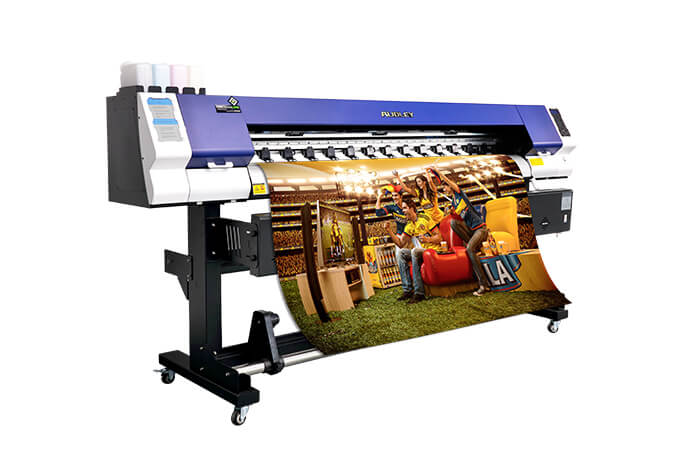

The world of digital printing continues to evolve rapidly, and one of the most significant developments in recent years is the rise of eco solvent ink trends. As businesses and print professionals seek more sustainable, versatile, and high-quality solutions, eco solvent inks have emerged as a preferred choice for a wide range of applications. This article explores the latest movements shaping this sector, highlighting innovations, benefits, and practical considerations for anyone involved in modern print production.
With growing demand for environmentally friendly materials and processes, eco solvent inks are now widely used for signage, retail displays, packaging, and even specialty applications like floor graphics. For those interested in specific uses, our guide on eco solvent ink for floor graphics provides detailed insights into one of the fastest-growing segments.
Understanding the Shift Toward Eco Solvent Inks
Traditional solvent inks have long been valued for their durability and vibrant color output, but their environmental impact and strong odors have driven the search for alternatives. Eco solvent ink trends reflect a shift toward formulations that use milder, biodegradable solvents, resulting in lower emissions of volatile organic compounds (VOCs) and safer working conditions.
This transition is not just about compliance with environmental regulations. Print service providers and end users are increasingly prioritizing products that align with sustainability goals, reduce health risks, and maintain or improve print quality. As a result, eco solvent inks are now the standard for many indoor and outdoor applications.
Key Innovations in Sustainable Printing Solutions
The latest advances in eco solvent ink technology have made these inks more versatile and reliable than ever. Manufacturers are focusing on improving color gamut, adhesion, and drying times, while also ensuring compatibility with a broader range of substrates. Some notable innovations include:
- Enhanced pigment stability for longer-lasting prints and reduced fading.
- Improved formulations that minimize clogging and extend printhead life.
- Faster curing times, enabling higher production speeds and reduced turnaround.
- Expanded compatibility with specialty media, such as self-adhesive vinyl, canvas, and even certain fabrics.
For those exploring new markets, such as retail display graphics, our resource on eco solvent ink for retail displays offers practical tips and application ideas.
Applications and Market Growth
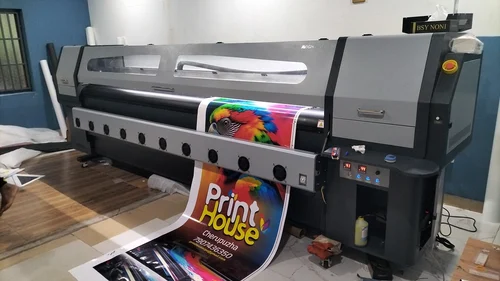
The adoption of eco solvent inks is expanding across diverse sectors. Signage, vehicle wraps, window graphics, and packaging are just a few of the areas experiencing growth. The ability to print on flexible and rigid materials with vivid, weather-resistant results makes these inks highly attractive for both indoor and outdoor use.
In packaging, for example, brands are seeking solutions that combine visual impact with environmental responsibility. For a comprehensive overview, see our eco solvent ink for packaging guide, which covers the latest techniques and compliance considerations.
Benefits Driving Eco Solvent Ink Trends
Several factors are fueling the popularity of eco solvent inks in the printing industry:
- Reduced environmental impact: Lower VOC emissions and biodegradable components support greener operations.
- Health and safety: Milder odors and fewer hazardous chemicals create a safer workspace for operators.
- Cost-effectiveness: Longer printhead life and less frequent maintenance can lower total operating costs.
- Versatility: Suitable for a wide range of media, including specialty substrates and coated materials.
- High-quality output: Advances in ink chemistry deliver sharp images, rich colors, and excellent durability.
These advantages make eco solvent inks an appealing choice for print shops aiming to balance performance with sustainability.
Maintenance and Longevity Considerations
While eco solvent inks are designed to be less aggressive than traditional solvents, proper printer maintenance remains essential for optimal results. Regular cleaning and following manufacturer guidelines help prevent nozzle blockages and ensure consistent print quality.
For practical advice on keeping your equipment in top shape, refer to this eco solvent printer maintenance guide, which covers daily routines and troubleshooting tips.
Challenges and Best Practices
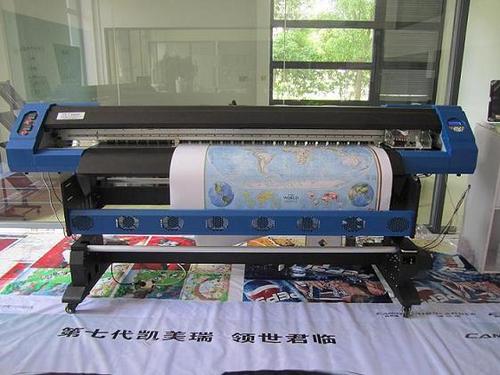
Despite their many benefits, eco solvent inks are not without challenges. Some substrates may require pre-treatment, and drying times can vary depending on environmental conditions. Additionally, while these inks are more environmentally friendly, proper disposal and recycling of cartridges and waste ink are still important.
For those considering specialty applications, such as printing on fabric, our article on can eco solvent ink print on fabric explores compatibility and recommended workflows. Understanding these nuances ensures the best possible results and maximizes the value of your investment.
Future Outlook for Eco Solvent Printing
As sustainability becomes a central concern for both producers and consumers, the momentum behind eco solvent ink is expected to grow. Ongoing research is focused on further reducing environmental impact, enhancing performance, and expanding the range of compatible materials. This progress will continue to open new opportunities for print providers and creative professionals alike.
For those wondering about post-print processes, such as lamination, our guide on does eco solvent ink need lamination provides clarity on when and why additional finishing may be required.
Frequently Asked Questions
What makes eco solvent inks different from traditional solvent inks?
Eco solvent inks use milder, biodegradable solvents that emit fewer VOCs, making them safer for both the environment and print operators. They offer similar durability and color quality as traditional inks but with reduced odor and health risks.
Are eco solvent inks suitable for outdoor applications?
Yes, these inks are designed for both indoor and outdoor use. They provide excellent weather resistance, UV stability, and adhesion on a variety of substrates, making them ideal for signage, vehicle wraps, and window graphics.
Do prints made with eco solvent inks require lamination?
While eco solvent prints are durable, lamination may be recommended for applications exposed to heavy abrasion or harsh weather. For more details, see our article on lamination requirements for eco solvent prints.
Can eco solvent inks be used on fabrics?
Some fabrics are compatible, especially those with a coated surface. For more information, refer to our resource on printing on fabric with eco solvent ink.
How can I maintain my eco solvent printer for best results?
Regular cleaning, using recommended maintenance routines, and following manufacturer instructions are key. For step-by-step advice, consult the eco solvent printer maintenance guide.