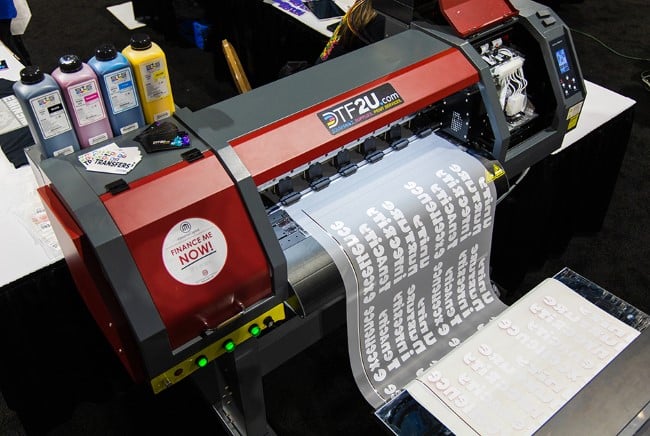

Eco solvent ink uses have expanded rapidly as businesses seek sustainable, high-quality printing solutions. These inks offer a balance between vibrant color output and reduced environmental impact, making them a preferred choice for a variety of sectors. Whether you’re in advertising, packaging, or specialty graphics, understanding where and how these inks are applied can help you make informed decisions for your projects.
For those interested in environmentally friendly alternatives, exploring a guide to solvent-free printing processes can provide additional insights into sustainable printing technologies and how they compare to eco solvent options.
What Are Eco Solvent Inks?
Eco solvent inks are a type of ink formulation that uses mild, biodegradable solvents instead of harsh chemicals. These inks are designed to be less toxic and emit fewer volatile organic compounds (VOCs) than traditional solvent inks. As a result, they are safer for operators and the environment, while still delivering excellent print durability and color vibrancy.
Unlike water-based or UV-curable inks, eco solvent formulations are particularly valued for their ability to adhere to a wide range of substrates, including vinyl, banners, and specialty films. This versatility is a key reason for their popularity in commercial and industrial printing applications.
Key Advantages of Eco Solvent Printing
- Low Environmental Impact: Reduced VOC emissions and biodegradable components make these inks a greener choice.
- Durability: Prints are resistant to fading, scratching, and water, making them suitable for both indoor and outdoor use.
- Wide Substrate Compatibility: Effective on coated and uncoated media, including flexible and rigid materials.
- High-Quality Output: Delivers sharp images and vibrant colors, ideal for graphics and signage.
- Reduced Odor: Less pungent than traditional solvent inks, improving workplace comfort.
Eco Solvent Ink Applications in Advertising and Signage
One of the most prominent eco solvent ink uses is in the production of advertising materials and signage. The ability to print on flexible vinyl, banners, and self-adhesive films makes these inks a staple for outdoor and indoor displays. Their weather resistance ensures that signs remain clear and colorful even after prolonged exposure to sunlight and rain.
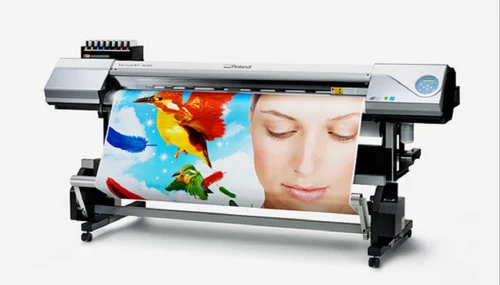
Common advertising applications include:
- Billboards and large-format banners
- Vehicle wraps and fleet graphics
- Window decals and point-of-purchase displays
- Trade show graphics and exhibition panels
Because of their durability and color stability, eco solvent prints are often chosen for graphics that need to withstand outdoor conditions without frequent replacement.
Packaging and Labeling: Sustainable Solutions
Another significant area for eco solvent ink uses is in packaging and labeling. As brands and manufacturers seek to reduce their environmental footprint, these inks provide a way to produce vibrant, long-lasting labels and flexible packaging without compromising on sustainability.
Applications in this sector include:
- Product labels for bottles, jars, and containers
- Flexible packaging films for food and consumer goods
- Custom stickers and promotional decals
For those interested in advanced packaging solutions, exploring innovations in oxygen scavenger labels can reveal how new materials and ink technologies are extending shelf life and improving product safety.
Eco solvent inks adhere well to synthetic materials commonly used in packaging, ensuring that branding and regulatory information remains legible and attractive throughout the product’s lifecycle.
Specialty Graphics and Interior Decor
Beyond traditional signage and packaging, eco solvent ink uses extend to specialty graphics and interior decor. Designers and print service providers leverage these inks for custom wallpapers, canvas prints, and decorative films. The low odor and safety profile make them suitable for indoor environments, including homes, offices, and retail spaces.
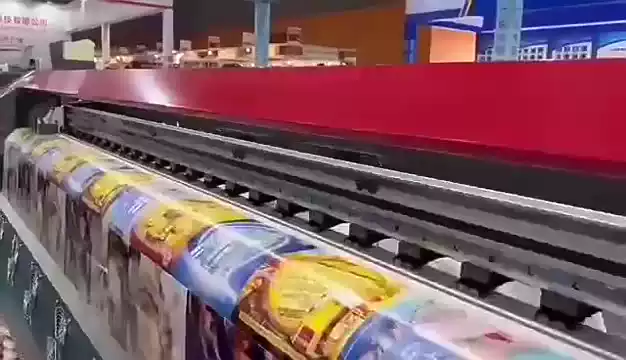
Popular interior applications include:
- Custom wall murals and wallpaper graphics
- Fine art reproductions on canvas or specialty paper
- Window films for privacy or branding
- Decorative floor and surface graphics
For businesses looking to achieve high-resolution images on challenging substrates, the article on how to achieve photographic quality on corrugated flutes offers practical tips and techniques relevant to eco solvent printing.
Industrial and Technical Printing Uses
Eco solvent inks are not limited to graphics and decor. Their chemical stability and adhesion properties make them suitable for technical and industrial applications, such as:
- Printing on rigid plastics and metal panels
- Marking and coding for manufacturing processes
- Control panel overlays and equipment labels
These uses benefit from the ink’s resistance to abrasion, chemicals, and UV exposure, ensuring that critical information remains visible and intact in demanding environments.
Comparing Eco Solvent Inks to Other Printing Technologies
When evaluating printing options, it’s helpful to compare eco solvent inks with other technologies:
| Ink Type | Key Features | Best For |
|---|---|---|
| Eco Solvent | Low VOCs, durable, wide substrate compatibility | Signage, packaging, decor, technical labeling |
| Water-Based | Non-toxic, limited outdoor durability | Indoor posters, fine art, textiles |
| UV-Curable | Instant curing, rigid & flexible media | Displays, promotional items, specialty graphics |
| Traditional Solvent | High durability, strong odor, high VOCs | Outdoor banners, vehicle wraps (less common now) |
For a deeper understanding of how these inks fit into broader industry trends, the comprehensive overview of eco solvent digital ink explains the chemistry, benefits, and evolving standards in the field.
Emerging Trends and Future Directions
As sustainability becomes a priority, the demand for eco-friendly printing solutions continues to grow. Innovations in ink formulation, printhead technology, and substrate development are expanding the possibilities for eco solvent printing. Automated systems, such as those discussed in the future of cobots in packaging decoration, are also influencing how these inks are used in high-volume and specialized applications.
Additionally, the integration of eco solvent inks with digital workflows allows for greater customization, shorter production runs, and on-demand manufacturing, supporting trends in personalization and agile supply chains.
Frequently Asked Questions
What materials can be printed with eco solvent inks?
Eco solvent inks are compatible with a wide range of materials, including vinyl, PVC, banners, canvas, coated and uncoated papers, and certain plastics and metals. This makes them suitable for signage, packaging, decor, and industrial labeling.
Are eco solvent inks safe for indoor use?
Yes, these inks emit significantly fewer VOCs than traditional solvent inks and have a much lower odor. This makes them safe for indoor environments, including offices, homes, and retail spaces, provided proper ventilation is maintained during printing.
How do eco solvent inks compare to water-based inks?
While both are more environmentally friendly than traditional solvent inks, eco solvent inks offer better outdoor durability and substrate versatility. Water-based inks are ideal for indoor graphics and textiles but may not withstand harsh weather conditions as effectively as eco solvent formulations.
Can eco solvent inks be used for food packaging?
Eco solvent inks are suitable for many types of packaging, but direct food contact applications require inks that are specifically certified for food safety. Always check regulatory requirements for your intended use.
Conclusion
Eco solvent inks have become an essential part of modern printing, offering a blend of sustainability, versatility, and performance. Their applications span advertising, packaging, decor, and technical fields, making them a valuable choice for businesses aiming to balance quality with environmental responsibility. As technology advances, expect to see even broader adoption and new innovations that further reduce environmental impact while enhancing print quality and functionality.