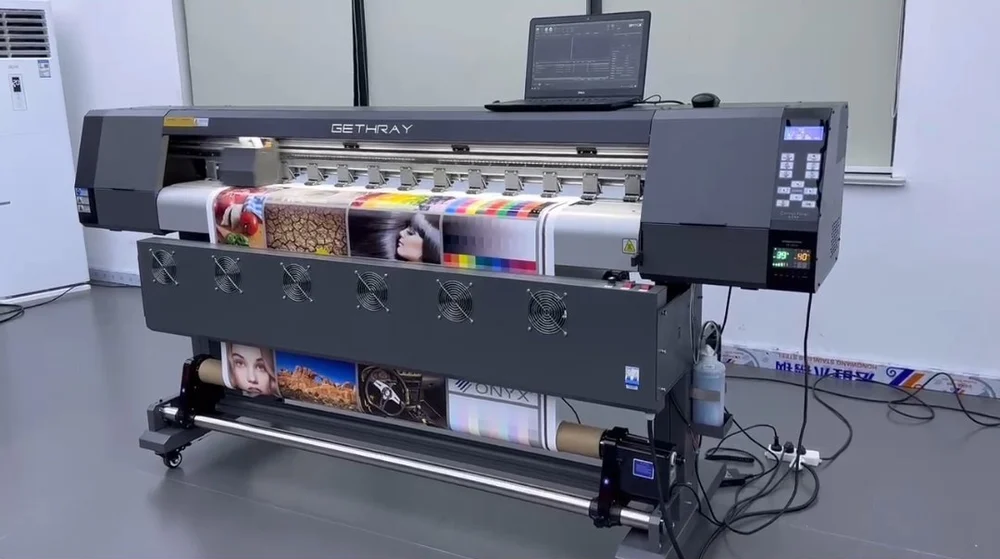

Choosing the right ink for your printing needs can make a significant difference in print quality, durability, and cost-effectiveness. Two of the most common options in the printing industry are eco solvent ink and dye ink. Each has its own strengths, weaknesses, and ideal use cases. Understanding the differences between these ink types helps businesses, designers, and print professionals make informed decisions for signage, packaging, and promotional materials.
In this article, we’ll break down the advantages and disadvantages of both ink types, explore their best applications, and offer practical advice for selecting the right solution for your projects. For those interested in how new technologies are shaping packaging and print, you may also want to learn about what is digital prototyping for packaging and how it can speed up production.
Understanding the Basics: What Sets Eco Solvent and Dye Inks Apart?
The main distinction between eco solvent ink and dye ink lies in their chemical composition and intended use. Eco solvent formulations use a mild, biodegradable solvent as a carrier for pigment particles, making them suitable for outdoor and indoor signage. Dye inks, on the other hand, are water-based and use colorants that dissolve completely in liquid, resulting in vibrant colors but less resistance to environmental factors.
Both ink types are widely used in large-format printing, banners, posters, and even photographic prints. However, their performance, longevity, and compatibility with different substrates can vary significantly.
Eco Solvent Ink: Advantages, Disadvantages, and Typical Applications
Eco solvent ink is designed for professional printing environments where durability and environmental considerations are important. Unlike traditional solvent inks, eco solvent versions emit fewer volatile organic compounds (VOCs), making them safer for operators and the environment.
- Pros:
- Excellent resistance to water, UV light, and abrasion
- Suitable for outdoor signage, vehicle wraps, and window graphics
- Long-lasting color retention, even in harsh weather
- Lower environmental impact compared to hard solvents
- Cons:
- Requires compatible media (often vinyl or coated substrates)
- Typically more expensive than dye-based alternatives
- Longer drying times than dye inks
Because of its durability, eco solvent ink is the preferred choice for outdoor graphics and signage that must withstand rain, sunlight, and physical wear. It is also commonly used for wall murals, floor graphics, and displays that require long-term color stability.
Dye Ink: Strengths, Weaknesses, and Where It Excels
Dye ink is popular for its ability to produce vivid, high-resolution images, especially on coated papers and photo media. The water-based formula allows for fast absorption and smooth gradients, making it ideal for photographic and fine art prints.
- Pros:
- Bright, saturated colors with excellent image clarity
- Lower cost compared to pigment or solvent-based inks
- Quick drying on compatible media
- Widely available for desktop and large-format printers
- Cons:
- Poor resistance to water, smudging, and UV exposure
- Not suitable for outdoor use or high-humidity environments
- Colors may fade quickly when exposed to sunlight
Dye inks are best suited for indoor posters, photographic prints, and short-term promotional materials. Their affordability and ease of use make them a favorite for small businesses and home users who prioritize color vibrancy over longevity.
Comparing Print Quality, Durability, and Environmental Impact
When evaluating eco solvent ink vs dye ink, it’s important to consider the specific requirements of your project. Eco solvent formulations provide superior durability and weather resistance, making them the go-to for outdoor and heavy-use applications. Dye inks, while less robust, offer unmatched color vibrancy and are perfect for high-quality photographic output.
In terms of environmental impact, eco solvent inks are a step forward from traditional solvents, but they still require proper ventilation and handling. Dye inks, being water-based, are generally safer to use indoors but can pose issues with water runoff if not disposed of correctly.
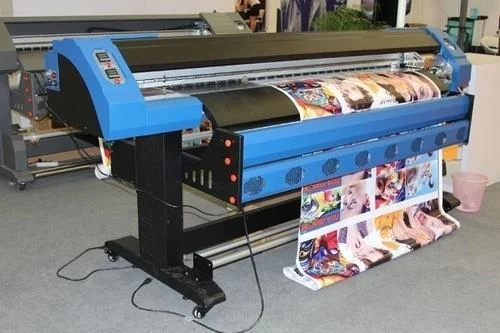
Choosing the Right Ink for Your Printing Needs
The decision between these two ink types comes down to intended use, budget, and desired print characteristics. For outdoor banners, vehicle wraps, and signage that must endure the elements, eco solvent ink is the clear winner. For indoor posters, photographs, and short-term graphics, dye ink delivers brilliant results at a lower cost.
It’s also worth considering printer compatibility and maintenance. Some printers are designed specifically for one ink type, while others can be adapted with the right cartridges and cleaning routines. For tips on keeping your printer in top shape, see these maintenance tips for smoother printer operations and performance.
Additional Considerations: Cost, Media Compatibility, and Workflow
Beyond print quality and durability, cost and media compatibility are important factors. Eco solvent inks often require specialty media, which can increase overall expenses. Dye inks, while cheaper, may not deliver the same results on non-porous or outdoor substrates.
Workflow efficiency is another aspect to keep in mind. Eco solvent prints may need additional drying or outgassing time before lamination or installation, while dye prints are usually ready for immediate handling. Balancing these factors will help you choose the most efficient and cost-effective solution for your business or creative projects.
For those interested in advanced print finishing techniques, you might also explore what is holographic lamination for creating eye-catching effects on packaging and promotional materials.
Frequently Asked Questions
Which ink type is more suitable for outdoor signage?
Eco solvent ink is generally preferred for outdoor signage due to its superior resistance to water, UV rays, and abrasion. It maintains color and clarity even when exposed to harsh weather conditions, making it ideal for long-term outdoor use.
Can dye ink be used for professional photo printing?
Yes, dye ink is widely used for professional photo printing because of its ability to produce bright, vivid colors and smooth gradients. However, it’s best suited for indoor displays, as it lacks the durability needed for outdoor or high-humidity environments.
Are eco solvent inks environmentally friendly?
While eco solvent inks are less harmful than traditional solvent inks, they still contain solvents and require proper handling and ventilation. They are considered a more environmentally responsible choice for outdoor printing, but water-based dye inks are generally safer for indoor use.
Conclusion
Both eco solvent ink and dye ink have distinct advantages depending on the application. Eco solvent options excel in durability and outdoor performance, while dye-based solutions offer vibrant colors for indoor and photographic prints. By weighing the pros and cons, considering your media and workflow, and staying informed about the latest printing technologies, you can select the best ink for your needs and achieve outstanding results.
For more insights on color management and packaging trends, check out our guide on the benefits of cloud-based color management for global brands.