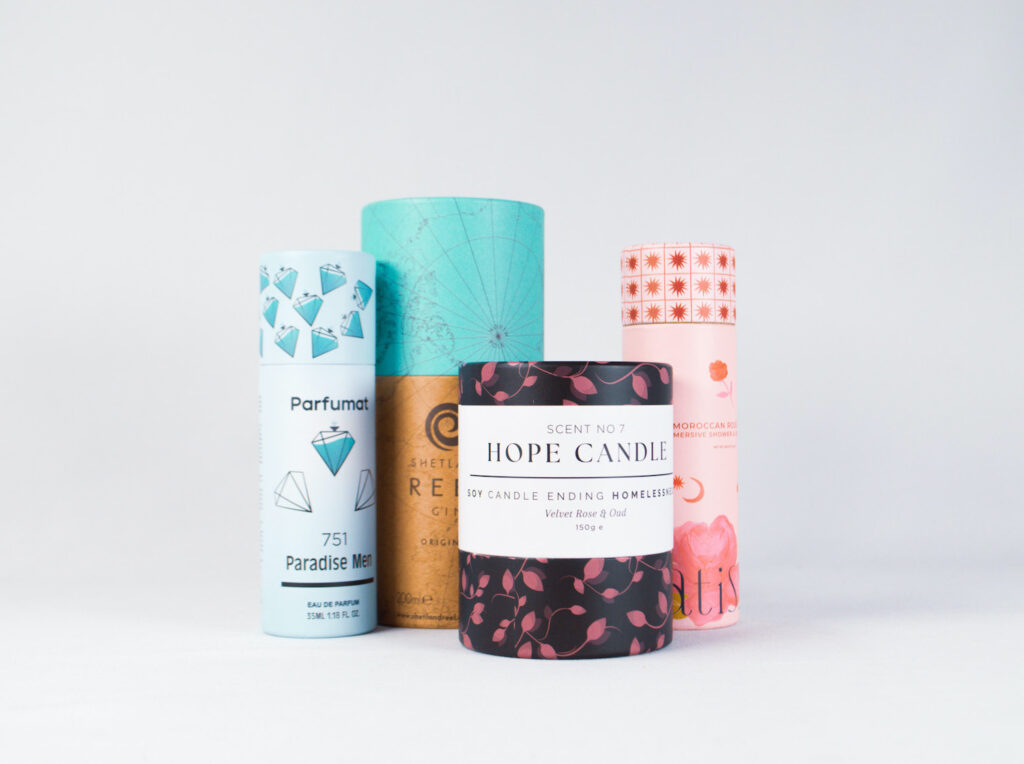

Hand-drawn artwork is making a strong comeback in branding and product packaging. Brands are turning to custom illustrations to stand out on crowded shelves, create memorable unboxing experiences, and build authentic connections with their audience. If you’re looking to add a personal, tactile feel to your packaging, learning how to use hand-drawn illustrations in packaging can be a powerful strategy.
In this guide, we’ll explore the benefits, practical steps, and best practices for incorporating hand-rendered visuals into your packaging projects. Whether you’re a designer, a business owner, or a creative marketer, understanding the process and considerations can help you leverage this trend effectively.
For brands interested in exploring innovative print and packaging methods, learning about the benefits of short-run digital printing for startups can help you test hand-drawn concepts efficiently before scaling up.
Why Choose Hand-Drawn Artwork for Your Packaging?
Hand-rendered illustrations offer a unique charm that digital graphics often lack. Here are some key reasons why brands are embracing this approach:
- Authenticity: Custom artwork signals care and creativity, helping products feel more genuine and approachable.
- Brand Differentiation: Unique drawings set your packaging apart from competitors relying on stock images or generic templates.
- Storytelling: Illustrations can visually narrate your brand’s journey, values, or product origins, making packaging more engaging.
- Emotional Appeal: Hand-drawn elements evoke nostalgia, warmth, and a human touch that resonates with buyers.
- Versatility: From whimsical doodles to detailed sketches, this style adapts to many brand personalities and product categories.
Planning Your Hand-Drawn Packaging Design
Before diving into the illustration process, it’s important to plan your project carefully. Here’s how to get started:
-
Define Your Brand Voice:
Consider what you want your packaging to communicate. Is your brand playful, artisanal, luxurious, or eco-conscious? The style of your illustrations should align with your core identity.
-
Choose the Right Medium:
Decide whether you’ll use pencil, ink, watercolor, or mixed media. Each offers a different texture and mood. Scan or digitize your artwork at high resolution to maintain quality in print.
-
Map Out the Packaging Layout:
Sketch a rough layout of your box, bag, or label. Identify where illustrations will appear—front, sides, inside flaps, or as a pattern background. This helps you design artwork that fits the packaging structure.
-
Coordinate With Print Specifications:
Work closely with your printer to ensure your artwork meets technical requirements. Consider color profiles (CMYK vs. RGB), bleed areas, and print resolution. For sustainable and innovative print options, you might explore sustainable printing practices for packaging to align with eco-friendly goals.
Integrating Hand-Drawn Illustrations Into Packaging
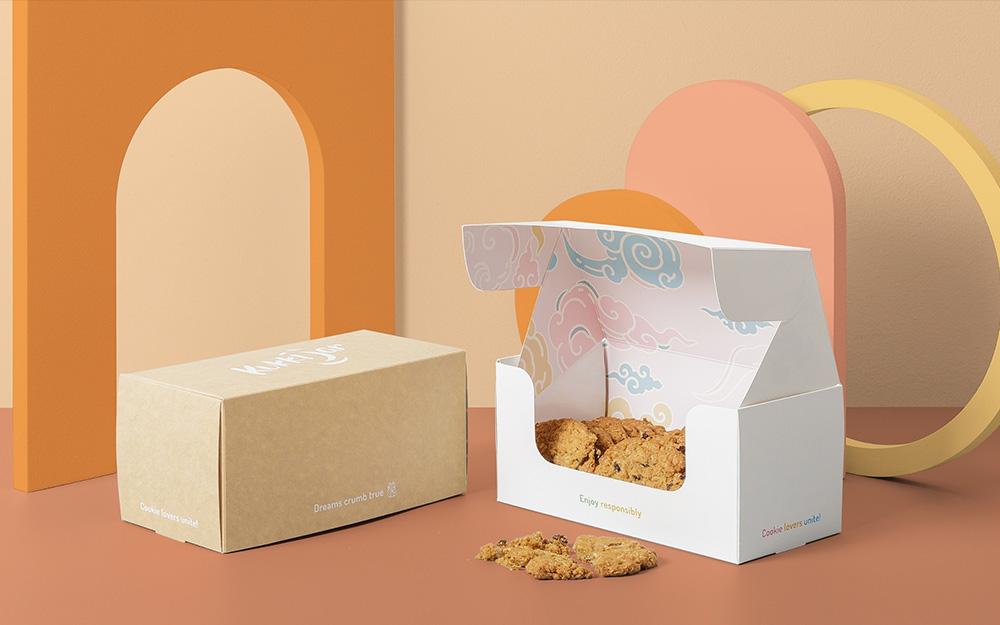
Once your artwork is ready, it’s time to integrate it into your packaging design. Here are some effective ways to do this:
-
Feature Artwork as the Main Visual:
Let your illustration take center stage on the front of your packaging. This works well for products where storytelling and visual impact are key.
-
Create Patterns or Borders:
Repeat hand-drawn motifs as backgrounds, borders, or subtle textures. This adds depth and interest without overwhelming the main branding.
-
Highlight Product Details:
Use small illustrations to draw attention to ingredients, instructions, or unique features. For example, a coffee brand might use sketches of beans or brewing equipment.
-
Combine With Typography:
Pair hand-drawn elements with custom lettering or playful fonts for a cohesive look. Make sure the text remains legible and complements the artwork.
Best Practices for Printing Hand-Drawn Packaging
To ensure your hand-drawn visuals look crisp and professional on finished packaging, follow these practical tips:
-
Scan at High Resolution:
Always scan your artwork at 300 DPI or higher. This preserves fine details and prevents blurriness when printed.
-
Use Vectorization When Needed:
For line drawings or logos, consider converting your artwork to vector format. This allows for scaling without loss of quality.
-
Test Print Samples:
Request printed proofs to check color accuracy and detail. Adjust contrast and brightness if the artwork appears washed out or too dark.
-
Choose the Right Paper or Substrate:
Textured or uncoated papers can enhance the hand-drawn effect, while glossy finishes may make lines appear sharper. Match the substrate to your brand’s desired look and feel.
-
Consider Production Scalability:
If you plan to update illustrations frequently or run limited editions, digital printing offers flexibility and cost-effectiveness. Learn more about what is digital prototyping for packaging to streamline your workflow.
Inspiring Examples of Hand-Drawn Packaging
Many brands across food, beauty, and lifestyle sectors are embracing this trend. Here are a few ways companies are using hand-drawn visuals to elevate their packaging:

- Food Packaging: Artisanal food brands often use sketches of ingredients, farms, or landscapes to emphasize natural origins and craftsmanship.
- Cosmetics: Beauty products with botanical illustrations or whimsical doodles convey purity and creativity.
- Eco-Friendly Goods: Sustainable brands use hand-drawn graphics to highlight their commitment to the environment, sometimes pairing them with earth-toned color palettes for a grounded look.
For those interested in the future of sustainable packaging, exploring the future of mycelium packaging graphics can provide inspiration for combining hand-drawn art with innovative materials.
Common Challenges and How to Overcome Them
While hand-drawn packaging offers many benefits, there are some challenges to consider:
-
Maintaining Consistency:
Hand-drawn styles can vary between artists or even between different pieces by the same artist. Establish clear style guidelines and use templates to ensure brand consistency.
-
File Preparation:
Improperly prepared files can result in pixelation or color shifts. Always work with high-resolution scans and double-check color profiles before sending to print.
-
Production Costs:
Custom illustrations may increase design costs, especially if you hire professional artists. However, the investment often pays off in brand differentiation and customer loyalty.
FAQ: Hand-Drawn Illustrations in Packaging
What types of products benefit most from hand-drawn packaging?
Products that emphasize craftsmanship, authenticity, or storytelling—such as specialty foods, artisanal beverages, cosmetics, and eco-friendly goods—often see the greatest impact from hand-drawn visuals. However, this approach can work for any brand seeking a personal, memorable touch.
How can I ensure my hand-drawn artwork prints clearly?
Scan your artwork at a minimum of 300 DPI, use vector formats for line drawings when possible, and always request print proofs before full production. Collaborate closely with your printer to address any technical concerns.
Are hand-drawn illustrations suitable for sustainable packaging?
Absolutely. Hand-drawn graphics pair well with recycled or biodegradable materials and can reinforce a brand’s eco-friendly message. For more ideas, explore how to implement circular design principles in printing for a holistic approach.
Can I combine hand-drawn elements with digital graphics?
Yes, many designers blend hand-drawn illustrations with digital enhancements or typography for a modern yet personal look. The key is to maintain visual harmony and ensure all elements support the brand’s story.
Integrating hand-drawn artwork into your packaging is a creative way to make your products stand out, foster emotional connections, and communicate your brand’s unique story. By following these best practices and staying mindful of technical details, you can harness the power of illustration to elevate your packaging and delight your customers.