Choosing the right ink is a crucial decision for anyone involved in large-format printing, signage, packaging, or specialty graphics. The debate between eco solvent ink vs pigment ink is especially relevant for print professionals, small business owners, and hobbyists aiming for the best results in terms of durability, color vibrancy, and environmental impact. Understanding the differences, advantages, and ideal applications for each type of ink can help you make an informed choice that matches your needs and budget.
Before diving into the technical details, it’s helpful to consider how ink selection can affect not only print quality but also the sustainability and versatility of your projects. For those interested in sustainable options, you might also want to explore our guide to solvent-free printing processes for additional insights on eco-friendly printing solutions.
Understanding Eco Solvent Ink: Features and Benefits
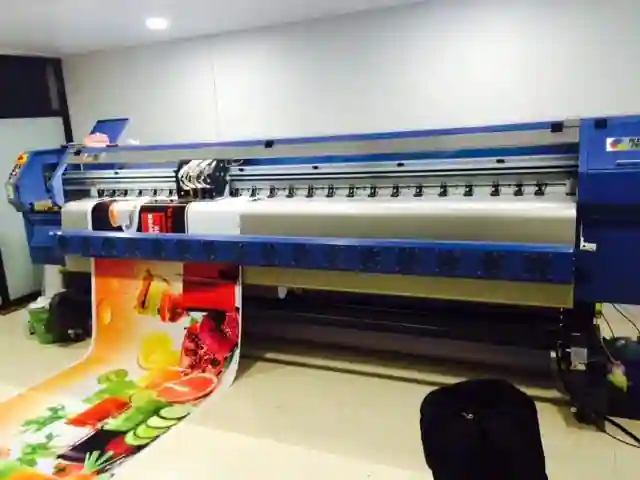
Eco solvent inks are formulated using mild, biodegradable solvents that are less harmful to the environment compared to traditional solvent inks. These inks are primarily used for wide-format printers and are popular in the production of outdoor signage, vehicle wraps, and banners. Their low odor and reduced volatile organic compounds (VOCs) make them suitable for indoor applications as well.
Key features of eco solvent inks include:
- Environmental Friendliness: Lower VOC emissions and less hazardous waste.
- Versatility: Compatible with a wide range of media, including vinyl, canvas, and certain coated papers.
- Durability: Good resistance to water, UV light, and abrasion, making them ideal for outdoor use.
- Vivid Colors: Capable of producing bright, saturated prints.
For a deeper dive into the advantages and common uses of these inks, see this comprehensive overview of eco solvent ink and its applications.
Pigment Ink Explained: Characteristics and Use Cases
Pigment-based inks use tiny, insoluble color particles suspended in a liquid carrier. Unlike dye-based inks, which dissolve completely, pigment inks sit on the surface of the substrate, resulting in excellent color stability and longevity. These inks are widely used in desktop printers, fine art reproduction, and archival printing where permanence is a priority.
Main characteristics of pigment inks:
- Archival Quality: Exceptional fade resistance and longevity, often lasting decades without significant color shift.
- Water Resistance: Once dry, prints are highly resistant to smudging and moisture.
- Sharpness: Produces crisp text and detailed images, making them ideal for photographic and art prints.
- Limited Media Compatibility: Best results on coated or specialty papers; less suitable for uncoated or non-porous surfaces.
Comparing Eco Solvent Ink and Pigment Ink: Key Differences
When evaluating eco solvent ink vs pigment ink, several factors come into play. Here’s a side-by-side comparison to help clarify the distinctions:
| Feature | Eco Solvent Ink | Pigment Ink |
|---|---|---|
| Durability | Excellent for outdoor use; UV and water resistant | Outstanding archival quality; best for indoor and fine art |
| Color Vibrancy | Bright, saturated colors | Good color accuracy; slightly less vivid than solvent inks |
| Media Compatibility | Works on vinyl, banners, canvas, coated substrates | Best on coated and specialty papers |
| Environmental Impact | Lower VOCs, more eco-friendly than traditional solvents | Generally safe, but not specifically eco-labeled |
| Application | Signage, vehicle wraps, outdoor graphics | Fine art, photography, archival documents |
| Cost | Moderate; higher than standard solvent, lower than pigment for large formats | Can be higher, especially for archival-grade inks |
When to Choose Eco Solvent Ink
If your primary focus is on producing durable, weather-resistant graphics for outdoor or high-traffic environments, eco solvent inks are a strong choice. Their ability to adhere to non-porous materials like vinyl and their resistance to fading and abrasion make them ideal for:
- Billboards and banners
- Vehicle and window wraps
- Outdoor posters and signage
- Floor graphics

These inks are also a good fit for businesses aiming to reduce their environmental impact without sacrificing print quality. For those interested in design trends, you may also want to read about trends in wood-grain and natural textures on print for inspiration on how to use eco-friendly inks in creative ways.
When Pigment Ink Is the Better Option
For projects where longevity, color accuracy, and fine detail are essential, pigment inks stand out. They are especially well-suited for:
- Fine art reproductions and giclée prints
- Photographic prints requiring archival permanence
- Documents and certificates that need to last for decades
- Professional presentations and portfolios
While pigment inks may not offer the same level of media versatility as eco solvent types, their archival properties make them the preferred choice for artists, photographers, and institutions that prioritize print longevity.
Factors to Consider Before Making Your Choice
When deciding between eco solvent ink vs pigment ink, consider the following:
- Intended Use: Outdoor graphics benefit from eco solvent, while archival prints are best with pigment.
- Media Type: Eco solvent works on a broader range of substrates, including vinyl and banners. Pigment is optimal for coated papers and art media.
- Environmental Concerns: Eco solvent is more eco-friendly than traditional solvent, but pigment inks are generally safe for indoor use.
- Budget: Factor in the cost of ink and compatible media, as well as printer maintenance.
- Print Quality: Both offer excellent results, but pigment excels in detail and longevity, while eco solvent shines in color vibrancy and versatility.
If your projects require photographic detail on specialty substrates, you may also find our guide on how to achieve photographic quality on corrugated flutes helpful for advanced print techniques.
Frequently Asked Questions
Is eco solvent ink safe for indoor use?
Yes, eco solvent inks emit significantly fewer VOCs than traditional solvent inks, making them suitable for indoor graphics and displays. However, proper ventilation is still recommended during printing.
Can pigment ink be used for outdoor signage?
Pigment inks offer good water and fade resistance, but they are generally not as durable as eco solvent inks for prolonged outdoor exposure. For short-term outdoor use, pigment may suffice, but for long-lasting signage, eco solvent is preferred.
Which ink type is more cost-effective for large-scale production?
Eco solvent inks are typically more economical for high-volume, large-format printing due to their compatibility with a wide range of affordable media and lower ink consumption on certain substrates. Pigment inks, while offering superior longevity, can be more expensive, especially for archival-grade formulations.
What are the environmental advantages of eco solvent ink?
Eco solvent inks are formulated with milder, biodegradable solvents, resulting in lower emissions and reduced hazardous waste compared to traditional solvent inks. This makes them a better choice for businesses seeking to minimize their environmental footprint.
Conclusion
Both eco solvent and pigment inks have distinct strengths that cater to different printing needs. For outdoor graphics, signage, and applications demanding durability and versatility, eco solvent is a reliable and eco-conscious option. For fine art, photography, and projects requiring archival permanence, pigment ink is unmatched in longevity and detail. Assess your specific requirements, media compatibility, and environmental goals to select the ink that aligns best with your workflow and values.