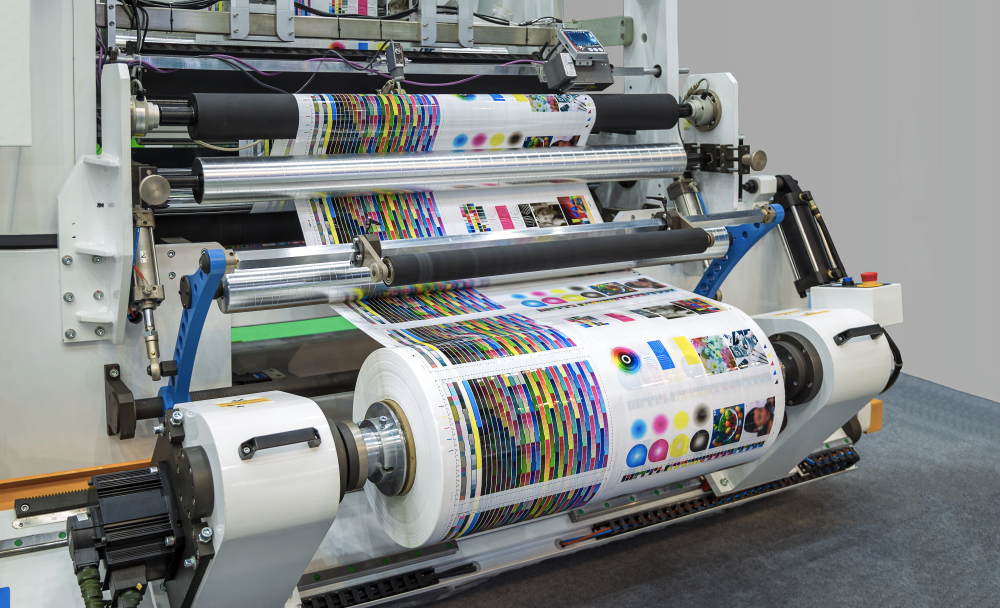

The packaging industry is undergoing a significant transformation as brands and manufacturers seek sustainable alternatives to traditional materials. Among the most promising developments are innovations in edible packaging print, which combine eco-friendly materials with advanced printing technologies to create packaging that is both functional and biodegradable—or even consumable. As environmental concerns and consumer demand for greener solutions rise, edible packaging is emerging as a key player in the future of sustainable packaging.
This guide explores the latest breakthroughs in edible packaging print, the technologies driving these changes, and the real-world impact on waste reduction and branding. We’ll also highlight how these solutions compare to other sustainable packaging trends, such as trends in wood-grain and natural textures on print, and what the future may hold for this rapidly evolving sector.
Understanding Edible Packaging and Its Environmental Impact
Edible packaging refers to materials designed to be safely consumed along with the product they contain. These materials are typically derived from natural sources such as seaweed, starches, proteins, and other plant-based ingredients. The integration of edible packaging print allows for branding, nutritional information, and regulatory details to be printed directly onto the packaging using food-safe inks and processes.
The environmental benefits are substantial. Traditional packaging, especially plastics, contributes to landfill waste and pollution. Edible packaging, by contrast, is biodegradable and often compostable, minimizing environmental impact. In some cases, it can even eliminate waste entirely if the consumer eats the packaging along with the product.
Key Technologies Driving Progress in Edible Packaging Print
Several technological advancements are enabling the rapid growth of this sustainable packaging method:
- Food-Safe Inks and Printing Methods: Specialized inks made from natural colorants and food-grade materials ensure that printed information is safe for consumption. Printing techniques such as inkjet and screen printing have been adapted for edible substrates.
- Biopolymer Films: Innovations in biopolymer science have produced films from seaweed, rice, potato starch, and proteins that are strong, transparent, and printable. These films can be engineered to dissolve in water or remain stable until consumed.
- Customization and Digital Printing: Digital printing allows for high-resolution graphics, QR codes, and variable data to be applied directly to edible surfaces, supporting both branding and traceability.
As these technologies mature, they are making edible packaging more practical for a wide range of food and beverage applications.
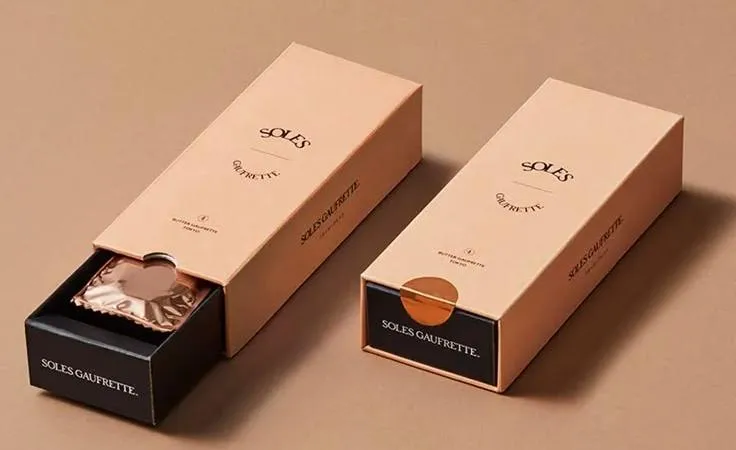
Applications and Real-World Examples of Edible Packaging Print
The adoption of edible packaging is growing across multiple sectors. Some notable applications include:
- Single-Serve Food Items: Edible wrappers for candies, protein bars, and snacks eliminate the need for plastic or foil packaging.
- Beverage Pods: Water-soluble pods for coffee, tea, or flavorings use edible films that dissolve in hot or cold liquids.
- Condiment Sachets: Edible sachets for ketchup, mayonnaise, or sauces reduce plastic waste in the food service industry.
- Branding and Marketing: Custom-printed edible logos and messages enhance consumer engagement and differentiate products on the shelf.
These applications not only reduce waste but also offer new opportunities for creative branding and interactive consumer experiences. For brands seeking to stand out, edible packaging can be combined with other specialty print techniques, such as those described in the what is sublimation printing for specialty packaging guide.
Challenges and Considerations for Widespread Adoption
While the potential of edible packaging is significant, several challenges must be addressed for mainstream adoption:
- Regulatory Compliance: All materials and inks must meet stringent food safety standards, which can vary by region.
- Shelf Life and Durability: Edible films may be more sensitive to moisture, temperature, and handling than conventional packaging.
- Cost and Scalability: Production costs are currently higher than for traditional packaging, although this is expected to decrease as technology advances.
- Consumer Acceptance: Educating consumers about the safety and benefits of edible packaging is essential for widespread use.
Despite these hurdles, ongoing research and investment are driving improvements in both performance and affordability.
How Edible Packaging Print Supports a Circular Economy
The shift toward edible and biodegradable packaging aligns with the principles of the circular economy, where materials are designed to be reused, recycled, or safely returned to nature. By eliminating single-use plastics and reducing landfill waste, edible packaging helps close the loop in the product lifecycle.
Additionally, the use of renewable resources and minimal processing reduces the carbon footprint associated with packaging production. Brands that adopt these solutions can demonstrate a tangible commitment to sustainability, which is increasingly important to consumers and regulators alike.
For those interested in other eco-friendly print processes, the guide to solvent-free printing processes offers further insights into reducing environmental impact in packaging.
Comparing Edible Packaging Print to Other Sustainable Packaging Trends
Edible packaging is just one part of a broader movement toward sustainability in the print and packaging industry. Other notable trends include the use of recycled materials, compostable films, and natural textures. For example, the growing popularity of trends in wood-grain and natural textures on print reflects consumer interest in packaging that feels authentic and environmentally conscious.
Each approach has its own advantages and limitations. Edible packaging offers the unique benefit of zero waste when consumed, while compostable and recyclable options provide alternatives for products where edible solutions are not feasible. The choice depends on the product type, target market, and brand values.
For a look at how automation and robotics are shaping the future of packaging, see the future of cobots in packaging decoration article, which explores how collaborative robots are enhancing efficiency and sustainability in packaging decoration.
What the Future Holds for Edible Packaging Print
The outlook for edible packaging is promising. As research continues and economies of scale are achieved, costs are expected to decrease, making these solutions accessible to a wider range of brands and products. Advances in printing technology will enable even more sophisticated designs and interactive features, such as scannable codes or personalized messages.
Industry experts predict that by 2026 and beyond, edible packaging will play a central role in sustainable packaging strategies. For a broader perspective on where the industry is heading, the future of print and packaging in 2026 is a valuable resource.
As consumer expectations evolve and regulatory pressures increase, brands that invest in edible packaging print and other sustainable solutions will be well-positioned to lead the market and build lasting customer loyalty.
Frequently Asked Questions
What materials are commonly used for edible packaging?
Edible packaging is typically made from natural ingredients such as seaweed, rice, potato starch, gelatin, and plant-based proteins. These materials are chosen for their safety, biodegradability, and ability to form films suitable for printing and packaging.
Is edible packaging safe to eat?
Yes, edible packaging is designed to be safe for consumption. All components, including the printed inks, must meet food safety standards. Manufacturers rigorously test these materials to ensure they are non-toxic and suitable for human consumption.
How does edible packaging compare to compostable or recyclable packaging?
Edible packaging offers the unique benefit of being consumed along with the product, resulting in zero waste. Compostable packaging breaks down naturally but still requires proper disposal, while recyclable packaging must be processed through recycling systems. Each option has its place depending on the product and intended use.