
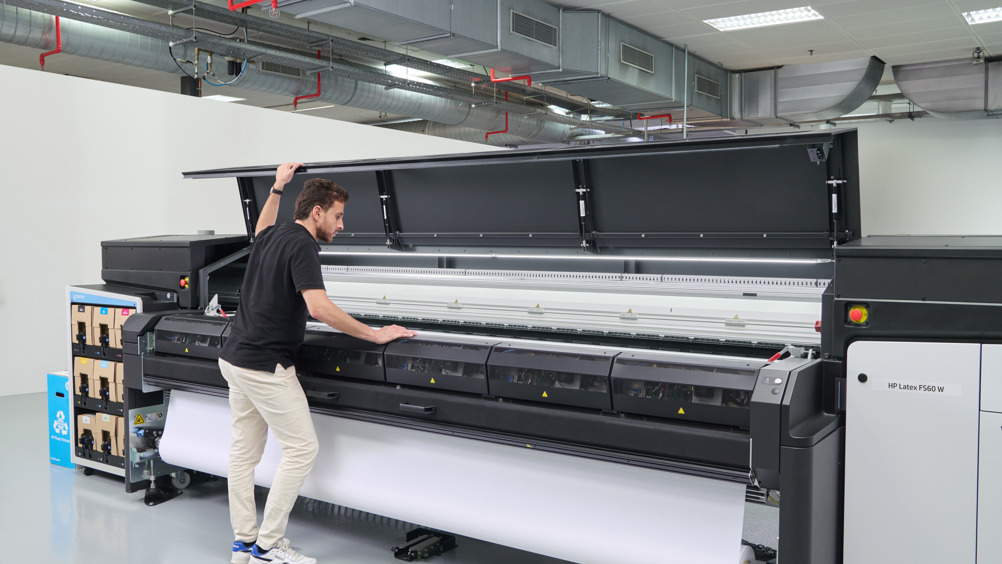

The printing industry is undergoing a transformation as sustainability and operational cost savings become top priorities. Among the latest advancements, energy efficiency in latex printing stands out for its ability to reduce environmental impact while delivering high-quality results. As print service providers and businesses seek greener solutions, understanding how modern latex technology contributes to lower energy consumption is essential.
This article explores the key ways in which contemporary latex printers outperform traditional systems in terms of energy use, environmental responsibility, and overall productivity. You’ll also find practical tips for maximizing efficiency, as well as resources for further exploration, such as this detailed overview of what latex printing is and how it works. For those interested in related innovations, consider learning about what is digital prototyping for packaging and its impact on production speed.
How Latex Printing Delivers Superior Energy Performance
Modern latex printers have been engineered with energy conservation in mind. Unlike older solvent or UV-curable technologies, these machines use water-based inks and advanced curing systems that operate at lower temperatures. This fundamental shift results in significant reductions in power consumption during both printing and drying phases.
- Lower Operating Temperatures: Latex printers cure inks at temperatures often 30–50% lower than solvent-based systems, minimizing heat output and energy draw.
- Efficient Drying Mechanisms: Integrated drying units are optimized for rapid evaporation, reducing the time and electricity required per print job.
- Standby and Sleep Modes: Many models feature intelligent power management, automatically entering low-energy states when not actively printing.
These innovations not only cut energy bills but also extend the lifespan of print hardware by reducing thermal stress on components.
Comparing Energy Use: Latex vs. Traditional Printing Technologies
To appreciate the full impact of energy efficiency in latex printing, it’s helpful to compare it with legacy technologies. Traditional solvent printers often require prolonged warm-up times and high heat for ink curing, leading to higher electricity usage. UV printers, while faster, still depend on energy-intensive lamps for curing.
In contrast, latex systems:
- Start up quickly, often within minutes, reducing idle energy consumption.
- Use water-based inks that dry efficiently at moderate temperatures.
- Produce minimal emissions, eliminating the need for costly ventilation or air purification systems.
For businesses seeking to lower their carbon footprint, these differences translate into measurable savings and a more sustainable operation.
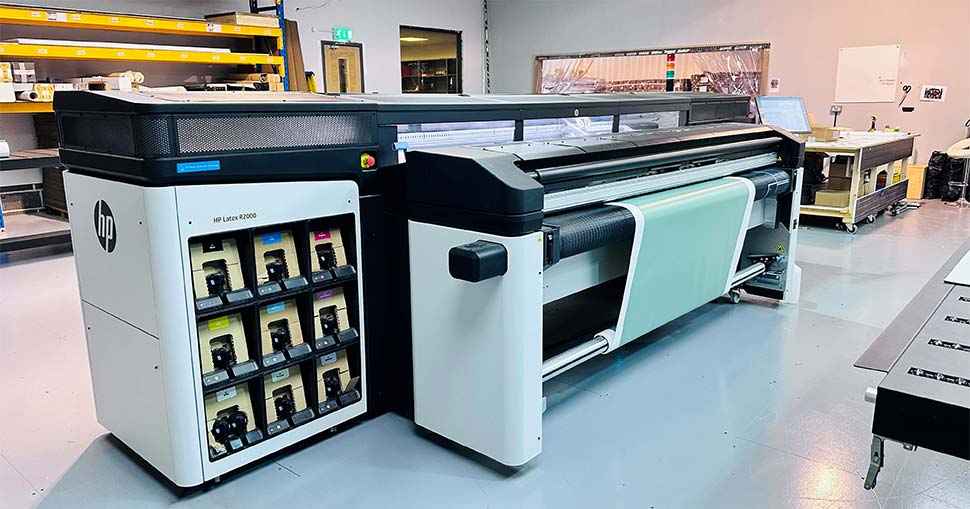
Environmental Impact and Sustainability Advantages
Beyond direct energy savings, latex printing technology supports broader sustainability goals. The use of water-based inks means fewer volatile organic compounds (VOCs) are released during production, improving air quality for operators and the surrounding environment. Additionally, many latex printers are designed for compatibility with recyclable or eco-certified substrates, further reducing waste.
Key environmental benefits include:
- Reduced Emissions: Water-based inks emit little to no hazardous fumes, eliminating the need for specialized exhaust systems.
- Lower Resource Consumption: Efficient curing and drying processes mean less electricity and fewer consumables are required per print.
- Support for Green Certifications: Many latex-printed products meet requirements for certifications such as GREENGUARD or ECOLOGO.
These factors make latex printing a strong choice for organizations seeking to align their operations with environmental best practices.
Cost Savings Through Improved Energy Efficiency
One of the most tangible advantages of adopting latex technology is the potential for ongoing cost reduction. Lower energy usage directly translates into smaller utility bills, especially for high-volume print shops. Over time, these savings can offset the initial investment in new equipment.
Additional cost-saving factors include:
- Reduced maintenance needs due to less heat-related wear and tear.
- Longer printhead and component lifespans.
- Fewer interruptions for cleaning or ventilation maintenance.
By optimizing workflows and choosing energy-efficient equipment, print providers can boost profitability while supporting sustainability.
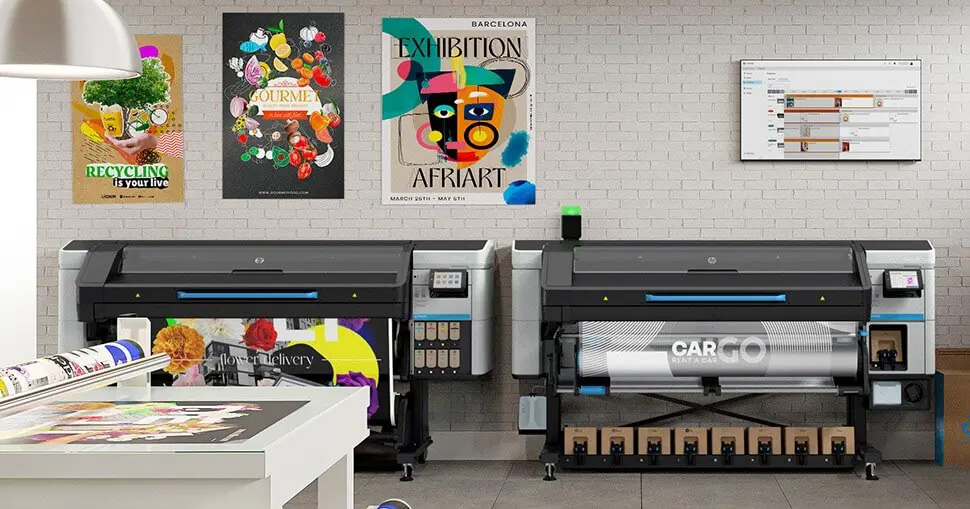
Best Practices for Maximizing Energy Savings in Latex Printing
To fully realize the benefits of energy efficiency in latex printing, it’s important to implement a few best practices:
- Regular Maintenance: Keep printers clean and well-maintained to ensure optimal airflow and efficient operation.
- Use Standby Features: Take advantage of automatic sleep and power-down modes when machines are not in use.
- Choose Compatible Media: Select substrates designed for latex technology to reduce drying times and energy use.
- Monitor Performance: Use built-in analytics or third-party tools to track energy consumption and identify further savings opportunities.
By following these steps, print businesses can further reduce their environmental impact and operating costs.
Integrating Latex Printing with Other Sustainable Print Technologies
Many organizations are combining latex printing with other innovations to create a holistic approach to sustainability. For example, integrating cloud-based color management systems can help optimize print runs and reduce waste. Learn more about the benefits of cloud-based color management for global brands. Additionally, exploring advanced curing methods, such as those discussed in what is electron beam curing in printing, can further enhance efficiency and environmental performance.
Frequently Asked Questions
What makes latex printing more energy efficient than solvent or UV printing?
Latex printers use water-based inks that cure at lower temperatures, requiring less energy for both printing and drying. Intelligent power management features and rapid startup times further reduce electricity consumption compared to traditional solvent or UV-curable systems.
Are there additional environmental benefits to using latex printers?
Yes, latex printers emit minimal volatile organic compounds (VOCs), improving indoor air quality and reducing the need for specialized ventilation. Many latex-compatible substrates are recyclable or eco-certified, supporting broader sustainability initiatives.
How can print shops maximize the energy savings from their latex printers?
Regular maintenance, utilizing standby and sleep modes, selecting compatible media, and monitoring energy usage are all effective strategies. These practices help ensure that latex printers operate at peak efficiency and deliver the greatest possible cost and energy savings.
Can latex printing be integrated with other sustainable technologies?
Absolutely. Many businesses combine latex printing with cloud-based color management, digital prototyping, and advanced curing methods to further reduce waste and energy use. These integrated approaches support a comprehensive sustainability strategy.




