
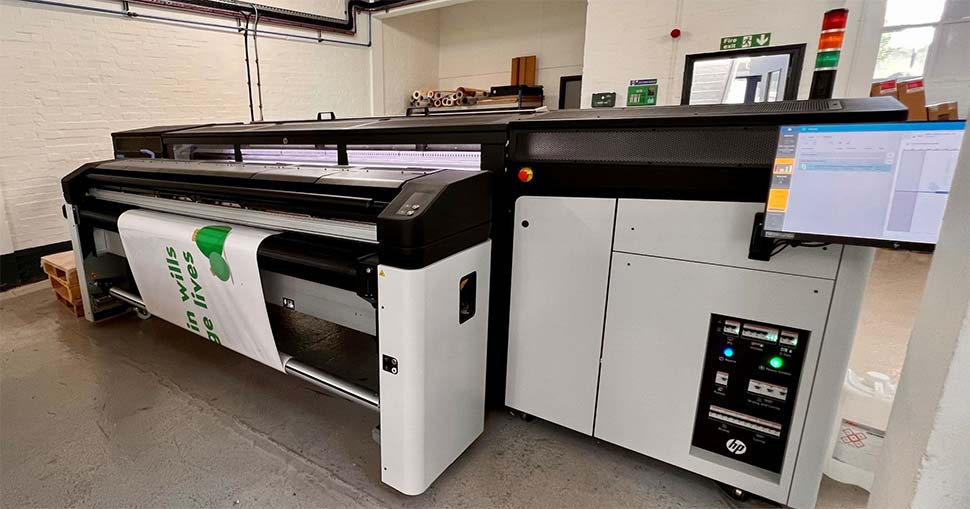

Ensuring user safety in latex printing environments is essential for both productivity and long-term well-being. Modern latex printers offer significant advantages in terms of print quality and environmental impact, but they also introduce unique safety considerations that must be addressed in any professional print shop or production facility. From handling inks and substrates to maintaining equipment and managing ventilation, a proactive approach to safety helps prevent accidents, reduces exposure to potentially hazardous substances, and creates a healthier workspace for everyone involved.
This guide covers the most effective strategies for maintaining a safe working environment around latex printing equipment. Whether you’re setting up a new print operation or reviewing your existing safety protocols, understanding these best practices is key to minimizing risk. For those interested in how digital prototyping can further streamline production and reduce manual handling, see what is digital prototyping for packaging.
Understanding Hazards in Latex Printing Workspaces
Latex printers are often praised for their reduced use of volatile organic compounds (VOCs) compared to traditional solvent-based systems. However, user safety in latex printing environments still requires careful attention to several potential hazards:
- Ink Handling: Latex inks are water-based but may contain additives that can irritate skin or eyes upon contact.
- Moving Parts: Printers have mechanical components that pose risks of pinching or entanglement if safety guards are not used properly.
- Electrical Systems: High-powered devices require proper grounding and regular inspection to prevent electrical accidents.
- Heat and Ventilation: Some latex printers operate at elevated temperatures, and inadequate ventilation can lead to discomfort or health issues.
Recognizing these risks is the first step toward building a comprehensive safety protocol.
Personal Protective Equipment (PPE) and Safe Handling
The use of appropriate PPE is a cornerstone of safety in any print production setting. For latex printing, recommended protective gear includes:
- Nitrile or latex gloves to prevent skin contact with ink and cleaning agents.
- Safety glasses or goggles to guard against splashes during ink refills or maintenance.
- Protective aprons or lab coats to shield clothing and skin from accidental spills.
Always follow manufacturer guidelines for safe ink cartridge replacement and cleaning procedures. When handling new substrates or unfamiliar materials, check the safety data sheets (SDS) for specific precautions.

Ventilation and Air Quality Management
Even though latex inks emit fewer harmful substances than many alternatives, maintaining good air quality is still critical. Proper ventilation helps disperse any airborne particles, odors, or heat generated during printing. Consider these best practices:
- Install local exhaust systems or fume extractors near printers.
- Ensure that general HVAC systems are functioning and regularly serviced.
- Monitor temperature and humidity to prevent discomfort and protect sensitive materials.
For more on how different printing technologies compare in terms of emissions and safety, see this overview of latex and digital printing differences.
Routine Maintenance and Equipment Checks
Regular maintenance not only ensures print quality but also plays a major role in workplace safety. Schedule periodic inspections for:
- Printer calibration and alignment (using tools like monitor calibrators for color accuracy).
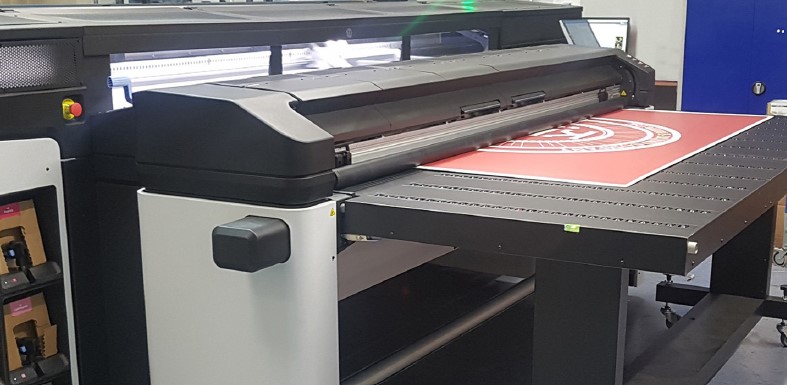
- Checking for ink leaks, worn cables, or damaged safety guards.
- Cleaning printheads and components according to manufacturer recommendations.
Keeping a maintenance log and training staff on troubleshooting procedures can help prevent unexpected breakdowns and reduce the risk of injury.
Training and Emergency Preparedness
Comprehensive training is vital for everyone who operates or maintains latex printing equipment. Effective programs should cover:
- Safe startup and shutdown procedures for all machines.
- Proper use of PPE and emergency eyewash stations.
- How to handle spills, leaks, or accidental exposures.
- Fire safety and evacuation protocols.
Designate safety officers or team leads responsible for regular drills and updates to safety documentation. Encourage a culture where staff feel comfortable reporting hazards or suggesting improvements.
Optimizing Workflow for Safety and Efficiency
Organizing your workspace and workflow can further enhance user safety in latex printing environments. Consider these workflow optimizations:
- Keep walkways clear of clutter and tripping hazards.
- Store inks, cleaning agents, and tools in clearly labeled, easily accessible locations.
- Use digital management systems to reduce manual handling and streamline job tracking.
For those managing color accuracy across multiple devices or locations, understanding the benefits of cloud-based color management can help maintain consistency while minimizing manual intervention.
Staying Up to Date With Industry Standards
Safety standards and best practices in the print industry continue to evolve. Stay informed by:
- Subscribing to updates from equipment manufacturers and industry associations.
- Reviewing new research on workplace safety and environmental impact.
- Participating in relevant training sessions or certification programs.
Adhering to up-to-date guidelines ensures your facility remains compliant and your team stays protected.
Frequently Asked Questions
What are the main safety risks associated with latex printing?
The primary risks include skin or eye irritation from ink contact, mechanical injuries from moving parts, electrical hazards, and issues related to inadequate ventilation. Regular training and the use of PPE help mitigate these risks.
How often should latex printers be maintained for safety?
Maintenance schedules vary by manufacturer, but routine checks should be performed weekly for cleaning and monthly for more detailed inspections. Always follow the equipment’s manual and keep a maintenance log.
Is special ventilation required for latex printing?
While latex inks emit fewer VOCs than solvent-based inks, good ventilation is still important to control heat, humidity, and any airborne particles. Local exhaust systems and regular HVAC maintenance are recommended.




