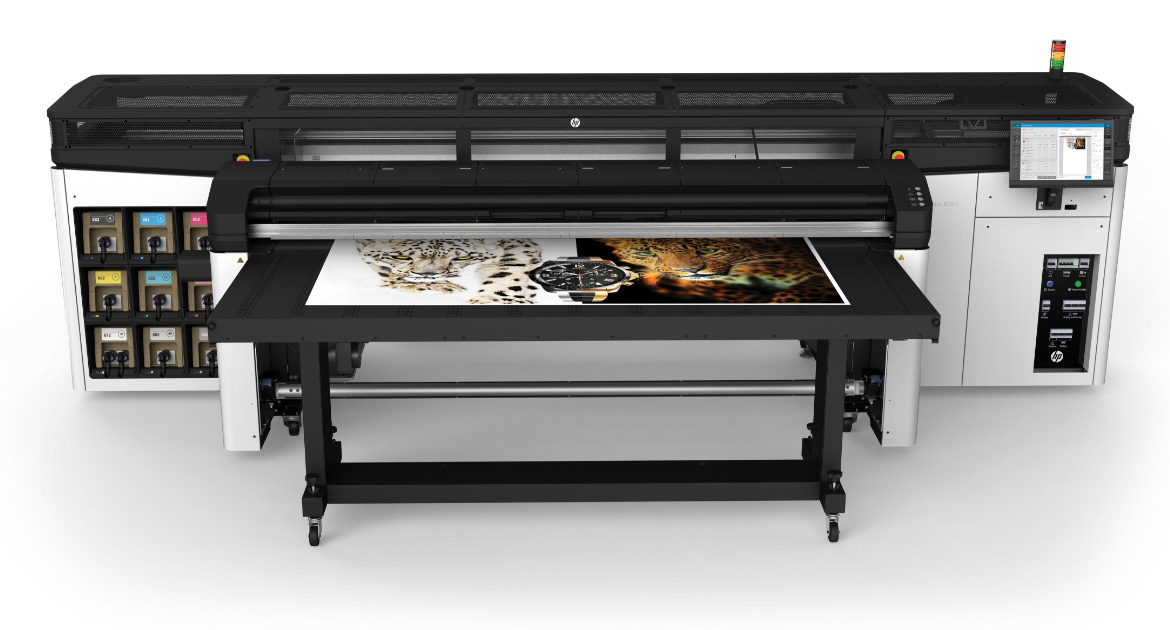

As the print industry continues to evolve, environmental and health considerations play a growing role in technology choices. VOC levels in latex printing have become a key factor for businesses and print professionals seeking safer, more sustainable production methods. Understanding how these emissions compare to those from other ink technologies is crucial for making informed decisions about equipment, workplace safety, and environmental compliance.
This article explores the science behind volatile organic compounds (VOCs) in print, how latex ink technology addresses these concerns, and how it stacks up against alternatives like solvent and UV-curable inks. Along the way, you’ll find practical guidance for evaluating print processes and links to related topics, such as what is digital prototyping for packaging and innovations in color management.
Understanding VOCs in Print Environments
Volatile organic compounds are carbon-based chemicals that easily evaporate at room temperature. In printing, VOCs are primarily released from inks, coatings, and cleaning agents. High concentrations can lead to indoor air quality issues, regulatory challenges, and health risks for operators, including headaches, respiratory irritation, and long-term exposure concerns.
Regulatory bodies such as the EPA and OSHA monitor VOC emissions, pushing the industry to adopt lower-emission technologies. The push for greener practices has made VOC levels in latex printing a central topic for print shops aiming to meet both legal requirements and client expectations for sustainability.
How Latex Ink Technology Reduces VOC Emissions
Latex printing uses water-based inks that contain a blend of pigments, polymers, and a small percentage of co-solvents. Unlike traditional solvent inks, which rely on high levels of petroleum-based carriers, latex inks are designed to minimize harmful emissions.
- Water-based formulation: The majority of the ink vehicle is water, which does not contribute to VOC emissions.
- Low co-solvent content: Only a small fraction of the ink is made up of co-solvents, resulting in significantly reduced VOC output.
- No hazardous air pollutants (HAPs): Most latex inks are formulated without substances classified as HAPs, further improving workplace safety.
As a result, latex printers can often be operated in standard office or retail environments with minimal ventilation upgrades, making them attractive for indoor graphics, retail signage, and sensitive applications such as schools and hospitals.

Comparing VOC Output: Latex vs. Solvent and UV Printing
When evaluating VOC levels in latex printing compared to other technologies, the differences are significant. Here’s how latex stacks up against solvent and UV-curable ink systems:
| Ink Technology | Typical VOC Emissions | Ventilation Needs | Common Applications |
|---|---|---|---|
| Latex (Water-Based) | Very Low | Minimal | Indoor graphics, retail, healthcare, education |
| Eco-Solvent | Moderate | Some ventilation recommended | Outdoor signage, vehicle wraps |
| Traditional Solvent | High | Specialized ventilation required | Billboards, banners, outdoor advertising |
| UV-Curable | Low to Moderate | Ventilation for ozone and uncured monomers | Rigid substrates, specialty graphics |
Latex printing stands out for its minimal VOC output, making it a preferred choice for businesses prioritizing indoor air quality and regulatory compliance. In contrast, solvent-based systems can release substantial VOCs, requiring costly ventilation and sometimes limiting where equipment can be installed.
For a deeper dive into how latex compares to UV-curable systems, see this comprehensive comparison of latex and UV printing.
Health, Safety, and Environmental Benefits
Choosing a print process with low emissions is about more than compliance—it’s about protecting staff, customers, and the environment. Here are some of the key advantages of using latex technology:
- Improved indoor air quality: Lower VOCs mean a safer workspace for operators and visitors.
- Reduced regulatory burden: Many latex printers meet stringent eco-label standards, simplifying certification and permitting.
- Wider installation options: Minimal emissions allow for placement in offices, retail spaces, and other sensitive environments.
- Less hazardous waste: Water-based inks are easier to dispose of responsibly, reducing environmental impact.
These benefits align with broader trends in the print industry, such as the adoption of cloud-based color management and other technologies that support sustainability and operational efficiency.
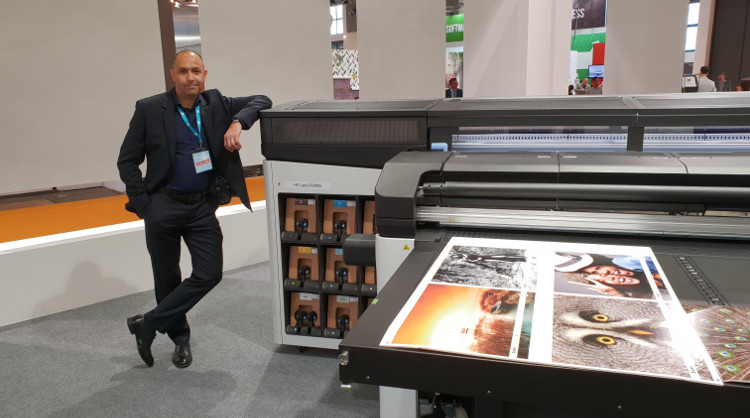
Choosing the Right Print Technology for Low Emissions
When selecting a print solution, it’s important to balance print quality, substrate compatibility, and environmental performance. Here are some practical tips for evaluating your options:
- Assess your application needs: If you focus on indoor graphics, retail, or environments with strict air quality standards, latex printing is a strong candidate.
- Review local regulations: Some regions have strict VOC limits for commercial printers. Water-based inks can simplify compliance.
- Consider total cost of ownership: Lower ventilation and disposal costs can offset higher ink prices over time.
- Look for certifications: Eco-labels like GREENGUARD or UL ECOLOGO can help verify low-emission claims.
For specialty applications, such as packaging or holographic finishes, you may want to explore related innovations like holographic lamination techniques or electron beam curing in printing, which offer unique benefits while maintaining a focus on sustainability.
Frequently Asked Questions
What are the main sources of VOCs in printing?
The primary contributors are inks, coatings, and cleaning solvents. Traditional solvent-based inks release the highest levels, while water-based and latex inks emit much less.
Are latex inks completely VOC-free?
Latex inks are not entirely free of VOCs, but their emissions are extremely low compared to solvent alternatives. Most latex inks comply with strict indoor air quality standards and contain no hazardous air pollutants.
Do I need special ventilation for latex printers?
In most cases, latex printers can be operated in standard environments without major ventilation upgrades. However, always follow manufacturer guidelines and local regulations for workplace safety.
How do latex inks compare to UV-curable inks for sustainability?
Both technologies offer lower VOC emissions than solvent inks, but latex inks are water-based and generally easier to handle and dispose of. UV-curable inks may require additional precautions due to uncured monomers and ozone.
Conclusion
As environmental standards tighten and clients demand safer, greener solutions, understanding VOC levels in latex printing is more important than ever. Latex technology offers a compelling combination of low emissions, high print quality, and broad application flexibility. By choosing water-based inks and staying informed about the latest innovations, print providers can protect their teams, meet regulatory demands, and deliver outstanding results for customers.
For more insights into sustainable print production and design trends, explore resources like how to design packaging for Gen Z consumers and other articles on emerging print technologies.