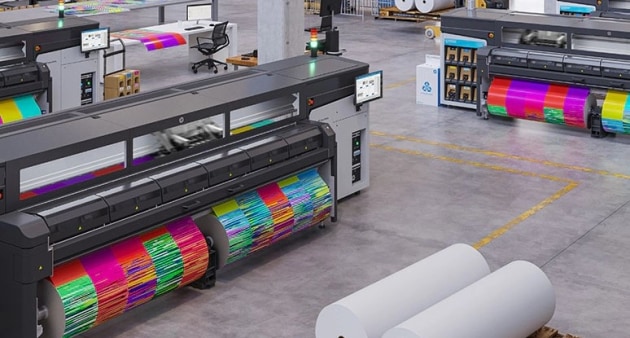

The world of event displays with latex printers has evolved rapidly, offering businesses, agencies, and event organizers a powerful way to create vibrant, durable, and eco-friendly graphics. Latex printing technology has become a preferred choice for producing banners, backdrops, pop-up stands, and signage that stand out at trade shows, conferences, and promotional events. With advancements in print quality, speed, and sustainability, latex printers are reshaping how professionals approach visual branding at events.
Understanding the unique benefits and practical considerations of latex printing is essential for anyone looking to elevate their event graphics. Whether you are a print service provider or an event marketer, leveraging this technology can help you deliver impressive results while meeting environmental standards. For those interested in the broader landscape of print innovation, exploring topics like what is digital prototyping for packaging can provide additional insights into the future of print production.
Why Choose Latex Printing for Event Graphics?
Latex printing technology offers a range of advantages that make it ideal for producing event displays with latex printers. The water-based latex inks used in these printers are not only environmentally friendly but also deliver high-quality, odorless prints suitable for indoor and outdoor use. This makes them perfect for environments where air quality and safety are priorities, such as trade shows, retail spaces, and public events.
- Vivid Color Reproduction: Latex printers produce sharp, vibrant images that capture attention and enhance brand visibility.
- Durability: Prints are resistant to scratches, fading, and water, ensuring displays look great throughout the event.
- Quick Turnaround: Prints come out dry and ready to use, reducing production time and enabling last-minute changes.
- Eco-Conscious Printing: Water-based inks contain no hazardous air pollutants, supporting green initiatives and compliance with environmental standards.
Applications of Latex Printing in Event Displays
The versatility of latex printing extends to a wide variety of event display products. From large-format banners to intricate wall graphics, latex printers can handle diverse substrates and deliver consistent results. Here are some common applications:
- Banners and Backdrops: Ideal for stage backgrounds, sponsor walls, and promotional banners.
- Pop-Up Stands: Portable and easy-to-assemble displays for trade shows and exhibitions.
- Window and Floor Graphics: Custom graphics for branding event spaces or guiding attendees.
- Outdoor Signage: Weather-resistant prints for wayfinding, parking, and event entrances.
- Table Throws and Fabric Displays: Soft signage options for a premium look and feel.
Key Features of Modern Latex Printers for Event Displays
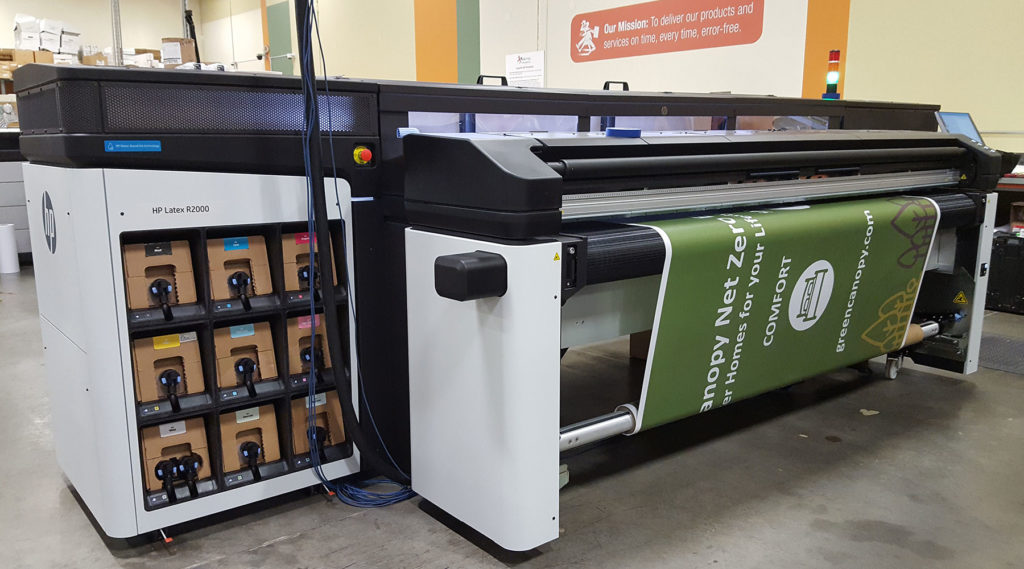
Today’s latex printers are engineered to meet the demands of high-volume, high-quality event graphics production. Here are some standout features that make them a top choice:
- Wide Color Gamut: Advanced ink formulations allow for accurate color matching and rich, saturated tones.
- Substrate Flexibility: Print on vinyl, fabric, paper, canvas, and specialty materials without sacrificing quality.
- Fast Print Speeds: Modern models can produce large banners or multiple panels quickly, supporting tight deadlines.
- Automated Maintenance: Built-in cleaning and calibration systems reduce downtime and ensure consistent results.
- Energy Efficiency: Many latex printers are designed to minimize power consumption, supporting sustainability goals.
For organizations seeking to optimize color accuracy across global campaigns, exploring the benefits of cloud-based color management can further enhance the impact of event graphics.
Comparing Latex Printing to Other Event Display Methods
When evaluating print technologies for event graphics, it’s important to consider how latex printing compares to alternatives like solvent, UV, or dye-sublimation printing.
| Feature | Latex Printing | Solvent Printing | UV Printing |
|---|---|---|---|
| Ink Type | Water-based latex | Solvent-based | UV-curable |
| Dry Time | Instant | Requires outgassing | Instant |
| Odor | Odorless | Strong odor | Low odor |
| Eco-Friendliness | High | Low | Moderate |
| Outdoor Durability | Excellent | Excellent | Good |
| Substrate Range | Very broad | Broad | Broad |
Latex technology stands out for its combination of print quality, environmental safety, and versatility, making it a leading solution for event display production.
Best Practices for Designing Event Displays With Latex Printers
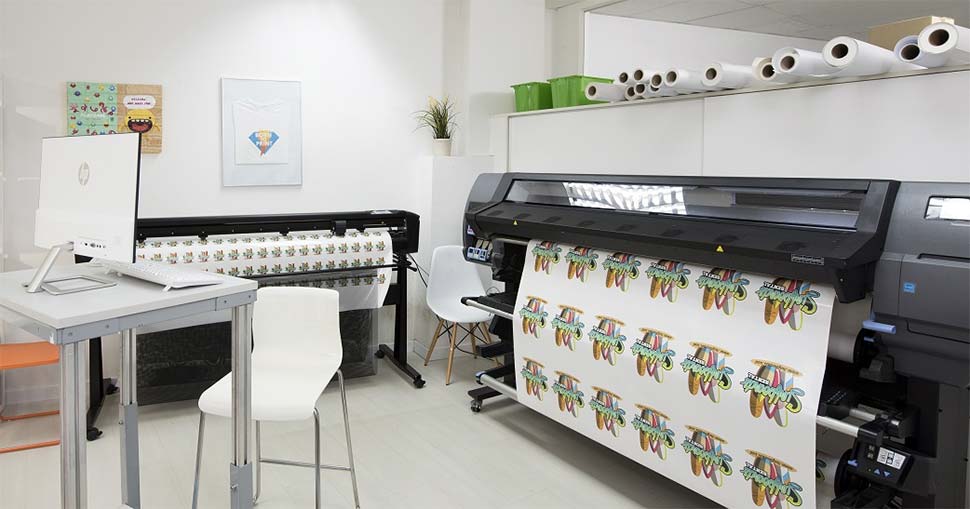
To get the most from latex printing technology, it’s important to follow design and production best practices. Here are some tips to ensure your event graphics look professional and perform well:
- Use High-Resolution Artwork: Ensure all graphics are created at the correct size and resolution for large-format output.
- Calibrate Monitors: Use a monitor calibrator to maintain color accuracy from screen to print.
- Select Suitable Materials: Choose substrates compatible with latex inks for optimal adhesion and finish.
- Proof Before Printing: Review digital proofs and, if possible, print small test samples to check color and clarity.
- Consider Lighting: Design with the event’s lighting conditions in mind to maximize visibility and impact.
For more on innovative finishing techniques, see what is holographic lamination for ideas on adding extra visual appeal to your displays.
Environmental and Health Benefits of Latex Printing
One of the standout advantages of latex technology is its positive impact on the environment and workplace safety. Water-based latex inks do not emit harmful volatile organic compounds (VOCs), making them safer for operators and event attendees. This is especially important in enclosed venues where air quality is a concern.
Many latex printers are certified for low chemical emissions and meet strict environmental standards. This aligns with the growing demand for sustainable event solutions and can be a key selling point for eco-conscious clients.
To learn more about the broader benefits of latex printing, see this in-depth overview of latex printing advantages from industry experts.
Frequently Asked Questions
What types of materials can be used for event graphics with latex printers?
Latex printers are highly versatile and can print on a wide range of materials, including vinyl, fabric, canvas, paper, mesh, and specialty substrates. This flexibility allows for creative event displays such as banners, backdrops, window graphics, and more.
How durable are event displays produced with latex printing technology?
Graphics produced with latex inks are known for their durability. They are resistant to scratches, fading, and water, making them suitable for both indoor and outdoor use. The prints are also flexible and less prone to cracking when handled or installed.
Is latex printing environmentally friendly?
Yes, latex printing is considered environmentally friendly. The water-based inks used in these printers emit minimal VOCs and contain no hazardous air pollutants. Many latex printers are ENERGY STAR® certified and support sustainable printing practices.
Can latex printers match brand colors accurately?
Modern latex printers offer a wide color gamut and advanced color management features, making it possible to achieve precise brand color matching. Using calibrated monitors and color profiles further enhances color consistency across different print runs.
Conclusion
Embracing event displays with latex printers enables organizations to produce high-impact, sustainable, and reliable graphics for any event setting. The combination of vivid color, fast production, and environmental responsibility makes latex printing a smart investment for businesses focused on quality and brand image. As the technology continues to advance, it will remain a cornerstone of modern event marketing and visual communication.