
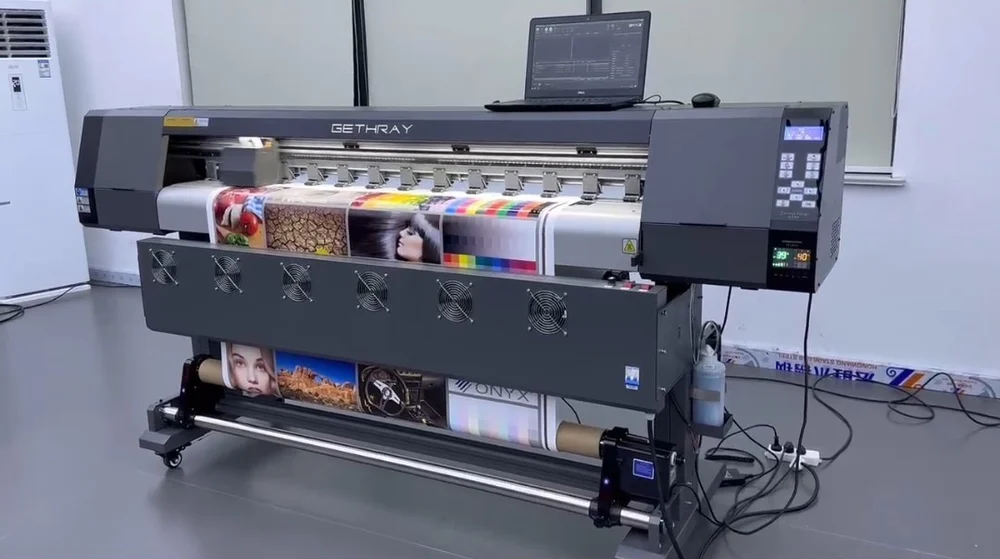

The printing industry is undergoing rapid transformation, with sustainability and efficiency at the forefront of innovation. Among the most significant advancements is the evolution of eco solvent ink technology. This approach to printing offers a balance between vibrant results and environmental responsibility, making it increasingly popular for commercial and industrial applications.
As businesses and print professionals look for ways to reduce their ecological footprint, understanding the direction of eco-friendly ink solutions becomes essential. This article explores the latest trends, anticipated breakthroughs, and practical impacts shaping the next generation of eco solvent inks.
For those interested in specific applications, such as eco solvent ink for window graphics, there are dedicated guides that dive deeper into particular use cases and technical requirements.
Key Drivers Behind Advancements in Eco Solvent Ink
The push for greener printing solutions is driven by both regulatory changes and consumer demand. Companies are under increasing pressure to minimize volatile organic compound (VOC) emissions and reduce hazardous waste. At the same time, end-users expect high-quality prints that are durable and cost-effective.
- Environmental Regulations: Governments worldwide are tightening restrictions on traditional solvent inks, encouraging the adoption of eco-friendly alternatives.
- Market Demand: Brands and print buyers are prioritizing sustainability, seeking products that align with their environmental values.
- Technological Innovation: Advances in chemistry and printer hardware are enabling inks that perform better while being less harmful to the environment.
Emerging Trends in Eco Solvent Ink Development
Several notable trends are shaping the future of eco solvent ink technology. These developments aim to improve both the environmental profile and the functional performance of inks used in wide-format and specialty printing.
Lower VOC Formulations and Safer Ingredients
One of the most important areas of progress is the reduction of VOCs. New formulations use milder solvents and biodegradable additives, making them safer for both operators and the environment. This shift not only helps printers comply with regulations but also creates healthier workspaces.
Enhanced Color Gamut and Print Durability
Modern eco solvent inks are closing the gap with traditional solvent-based products in terms of color vibrancy and outdoor durability. Manufacturers are investing in pigment and resin technologies that deliver richer hues and longer-lasting prints, even in challenging conditions.
Compatibility with Diverse Substrates
As businesses diversify their product offerings, there is growing demand for inks that can print on a wide range of materials. The latest eco solvent solutions are engineered for compatibility with vinyl, banners, textiles, and more, expanding the possibilities for creative and commercial projects.
How Sustainability Shapes the Next Generation of Printing Inks
The environmental impact of printing is under close scrutiny. Eco solvent ink manufacturers are responding by:
- Reducing hazardous waste in both production and disposal
- Utilizing renewable raw materials where possible
- Developing recyclable packaging for ink cartridges and bottles
- Improving energy efficiency in ink curing and drying processes
These efforts not only help companies meet sustainability goals but also appeal to environmentally conscious customers. For example, retail brands seeking greener signage solutions may turn to eco solvent ink for retail displays to reinforce their commitment to the planet.
Innovations in Printhead and Hardware Compatibility
The synergy between ink chemistry and printer hardware is critical for optimal results. Recent innovations focus on:
- Developing inks tailored for high-speed, high-resolution printheads
- Reducing maintenance needs and minimizing printhead clogging
- Enabling seamless switching between different ink types
For those interested in maximizing printer lifespan and print quality, following maintenance tips for smoother printer operations and performance can make a significant difference.
Expanding Applications and Market Opportunities
As eco solvent ink formulations become more versatile, their use is expanding into new markets. Beyond traditional signage and banners, these inks are increasingly used for:
- Packaging and labels, where durability and safety are paramount
- Custom floor graphics, which demand abrasion resistance and vivid color
- Textile and fabric printing, opening doors to soft signage and décor
For a deeper look at specialized uses, see the guide on eco solvent ink for floor graphics or explore whether these inks can be used on fabric by visiting can eco solvent ink print on fabric.
Challenges and Considerations for the Printing Industry
While the outlook for eco solvent ink is promising, there are still hurdles to overcome:
- Cost: Advanced formulations and sustainable packaging can increase upfront costs, though these may be offset by long-term savings and regulatory compliance.
- Performance Consistency: Ensuring reliable results across different substrates and climates remains a technical challenge.
- Education: Printers and end-users must stay informed about the latest products and best practices to fully leverage new technologies.
As the industry continues to evolve, ongoing research and collaboration between ink manufacturers, printer OEMs, and end-users will be key to unlocking the full potential of eco solvent solutions.
Frequently Asked Questions
What makes eco solvent ink more sustainable than traditional solvent inks?
Eco solvent inks use milder, less toxic solvents and often incorporate biodegradable or renewable ingredients. This reduces harmful emissions, minimizes hazardous waste, and creates a safer working environment for operators.
Can eco solvent inks match the color quality and durability of older solvent inks?
Yes, recent advancements have significantly improved the color gamut and outdoor durability of eco solvent inks. Many modern products now rival or exceed the performance of traditional options, especially for signage, banners, and retail displays.
Are eco solvent inks suitable for printing on packaging and fabric?
Newer formulations are designed for compatibility with a wide range of substrates, including packaging materials and certain fabrics. For detailed guidance, refer to resources on eco solvent ink for packaging and fabric printing.
How can printers ensure optimal results with eco solvent inks?
Regular maintenance, using compatible substrates, and following manufacturer recommendations are essential. Staying updated with the latest ink and hardware innovations also helps maximize print quality and efficiency.
The ongoing evolution of eco solvent ink technology promises a more sustainable, versatile, and high-performing future for the printing industry. By staying informed and adopting best practices, businesses can benefit from these advancements while supporting environmental goals.




