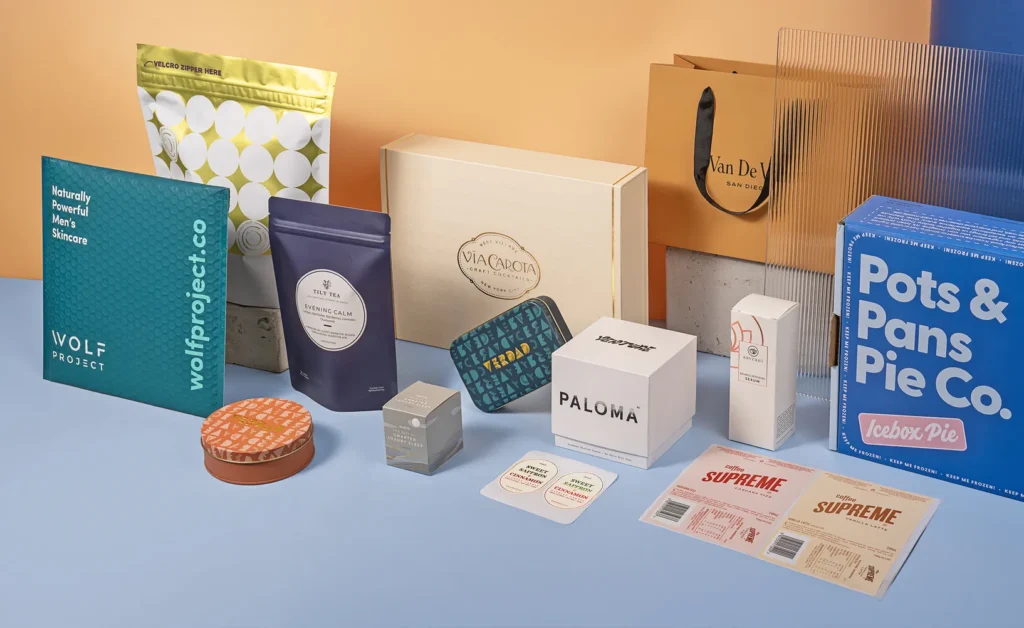

In today’s competitive retail environment, the way a product is packaged can make a significant difference in attracting buyers and influencing purchase decisions. Brands are increasingly focused on how to optimize packaging for shelf appeal to stand out among a sea of similar products. Effective packaging not only draws attention but also communicates brand values, product benefits, and quality at a glance.
This article explores practical strategies for enhancing the visual and functional aspects of packaging to maximize consumer interest. Along the way, we’ll highlight key design principles, material choices, and innovative techniques that can help your products shine on store shelves. For those interested in advanced prototyping, you can learn more about what is digital prototyping for packaging and how it speeds up production.
Understanding Shelf Impact and Consumer Behavior
The first step in boosting shelf presence is understanding how shoppers interact with products. Most purchase decisions are made within seconds, often based on visual cues. Packaging that is easy to spot, clearly communicates its purpose, and resonates emotionally with the target audience is more likely to be picked up.
Elements such as color, shape, typography, and imagery all play a role in influencing perception. For example, bold colors can grab attention, while minimalist designs may convey sophistication. The goal is to create a package that not only stands out but also aligns with the expectations and preferences of your ideal customer.
Design Principles for Maximizing Shelf Attraction
To enhance shelf appeal, consider these essential design principles:
- Clarity: Ensure that the product name, brand, and key benefits are immediately visible and easy to understand.
- Consistency: Use a cohesive color palette and typography that reflects your brand identity across all packaging formats.
- Contrast: Leverage contrasting colors and shapes to make your product pop against competitors.
- Hierarchy: Organize information so that the most important details are seen first, guiding the shopper’s eye naturally.
- Imagery: Incorporate high-quality visuals or illustrations that reinforce the product’s purpose and appeal.
Applying these principles helps ensure your packaging is both eye-catching and informative, increasing the likelihood of consumer engagement.
Material Choices and Finishing Techniques
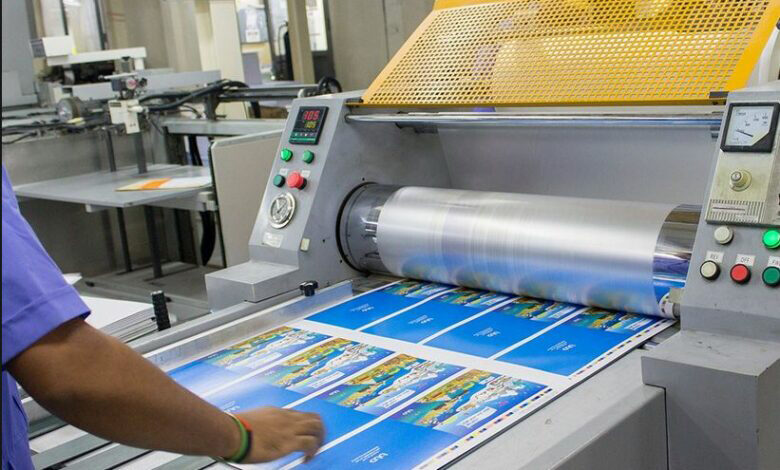
The materials and finishes you select can greatly influence perceived value and shelf presence. Premium substrates, tactile coatings, and unique structural elements all contribute to a memorable unboxing experience and lasting impression.
- Eco-Friendly Materials: Sustainable packaging is increasingly important to consumers. Using recycled or biodegradable materials can enhance brand reputation and attract environmentally conscious shoppers.
- Special Finishes: Techniques like embossing, foil stamping, or holographic lamination add visual and tactile interest, making products stand out.
- Structural Innovation: Unusual shapes, easy-open features, or resealable closures can improve usability and differentiate your product.
The right combination of materials and finishes not only boosts consumer interest but can also reinforce your brand’s values and message.
Leveraging Digital Printing and Prototyping
Advances in digital printing have made it easier and more cost-effective to create customized packaging with vibrant graphics and short turnaround times. Brands can now test multiple designs quickly, gather feedback, and make adjustments before committing to large production runs.
For a deeper dive into the advantages of digital workflows, see the future of digital printing in packaging and how it’s shaping the industry. Rapid prototyping allows for real-time tweaks, ensuring the final product is optimized for both shelf impact and consumer response.
Color Management and Brand Consistency
Consistent color reproduction across all packaging formats is crucial for brand recognition. Cloud-based color management solutions help global brands maintain accuracy and consistency, regardless of where packaging is produced. To learn more about these solutions, explore the benefits of cloud-based color management for global brands.
By controlling color variables and standardizing processes, brands can ensure that their packaging always looks its best, whether on a local shelf or in international markets.

Trends Influencing Modern Packaging Appeal
Staying up to date with current trends is essential for maintaining relevance and maximizing shelf visibility. Some of the most influential trends include:
- Personalization: Custom graphics and limited-edition designs create a sense of exclusivity and encourage impulse purchases.
- Minimalism: Clean, uncluttered layouts with ample white space can communicate quality and sophistication.
- Interactive Elements: QR codes, augmented reality, and smart packaging features engage consumers beyond the shelf.
- Targeted Design: Tailoring packaging to specific demographics, such as Gen Z, can boost relevance. For insights, see how to design packaging for Gen Z consumers and the trends that matter most to them.
Testing and Measuring Shelf Performance
Optimizing packaging is an ongoing process. Brands should regularly test new designs using focus groups, eye-tracking studies, or A/B testing in real retail environments. Gathering data on shopper behavior and sales performance helps identify which elements are most effective and where improvements can be made.
Digital prototyping and rapid iteration allow for quick adjustments, reducing risk and ensuring that packaging continues to perform well as consumer preferences evolve.
Frequently Asked Questions
What Are the Most Important Factors for Packaging Shelf Appeal?
The most critical factors include clear branding, eye-catching colors, readable typography, and distinctive shapes. Material quality and unique finishes also play a significant role in drawing attention and conveying value.
How Can Sustainable Packaging Enhance Consumer Interest?
Eco-friendly materials and responsible sourcing appeal to environmentally conscious shoppers. Highlighting sustainability on packaging can differentiate your product and build trust with consumers who prioritize green choices.
Why Is Consistent Color Management Important in Packaging?
Consistent color ensures that your brand is instantly recognizable, no matter where or how the packaging is produced. It helps maintain a professional appearance and builds consumer confidence in your product’s quality.
Conclusion
Enhancing packaging for maximum shelf impact requires a thoughtful blend of design, material selection, and innovative techniques. By focusing on clarity, consistency, and consumer preferences, brands can create packaging that not only stands out but also drives sales and loyalty. Regular testing and staying attuned to industry trends will ensure your products remain competitive and appealing in a crowded marketplace.