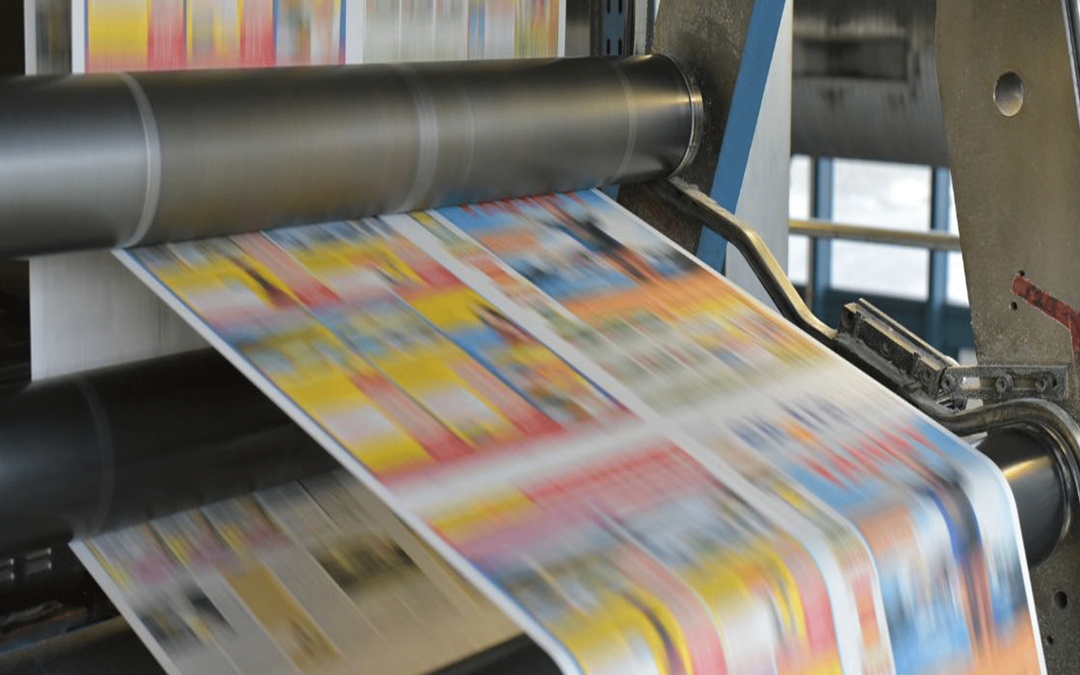

The packaging industry is undergoing a significant transformation as printed electronics become increasingly integrated into everyday products. This shift is not only enhancing the functionality of packaging but also opening up new opportunities for brands to connect with consumers, improve supply chain transparency, and meet regulatory requirements. As we look ahead, the future of printed electronics on packaging and smart labels promises to reshape how products are tracked, authenticated, and experienced.
Printed electronics involve the use of conductive inks and advanced printing techniques to embed electronic circuits directly onto packaging materials. This technology enables features like interactive smart labels, real-time tracking, and even environmental sensing. As demand for intelligent packaging grows, understanding the evolving landscape of this technology is crucial for brands, manufacturers, and consumers alike.
For those interested in how digital innovation is accelerating packaging development, exploring what is digital prototyping for packaging can provide valuable insights into speeding up production and reducing costs.
Key Drivers Behind Smart Packaging Innovation
Several factors are fueling the rapid adoption of smart packaging and printed electronics. Consumer expectations for product transparency, authenticity, and convenience are higher than ever. At the same time, brands are seeking new ways to differentiate themselves in crowded markets and comply with evolving regulations. The following trends are particularly influential:
- Supply Chain Visibility: Smart labels with embedded RFID or NFC technology allow real-time tracking of products from manufacturing to point-of-sale, reducing losses and improving logistics.
- Anti-Counterfeiting: Printed electronic features such as unique identifiers and tamper-evident seals help combat the growing problem of counterfeit goods.
- Consumer Engagement: Interactive packaging can connect shoppers to digital content, loyalty programs, or product information via their smartphones.
- Sustainability: Printed electronics can replace bulky components, enabling thinner, lighter, and more recyclable packaging solutions.
These drivers are pushing the boundaries of what packaging can achieve, making it a vital touchpoint in the product lifecycle.
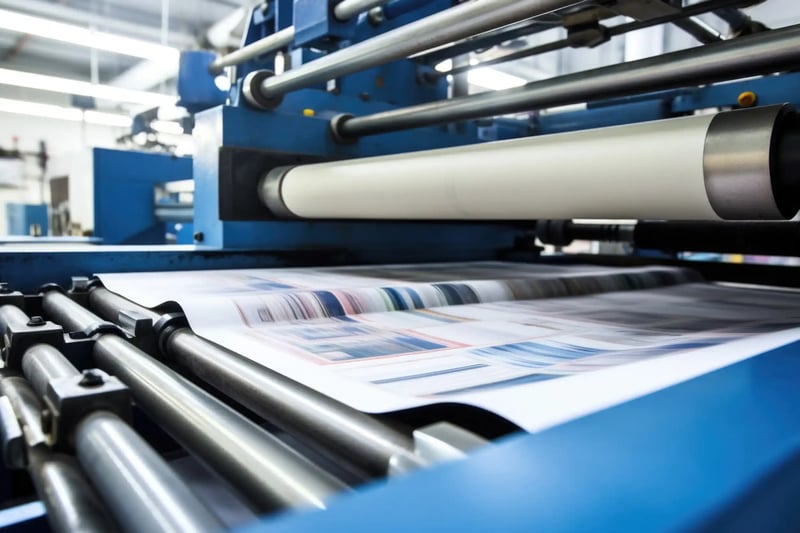
Emerging Applications for Printed Electronics in Packaging
The range of applications for printed electronics in packaging is expanding rapidly. Some of the most promising uses include:
- Temperature and Freshness Monitoring: Printed sensors can detect temperature changes or spoilage, providing real-time data to both retailers and consumers.
- Interactive Experiences: QR codes or NFC tags embedded with printed circuits can launch augmented reality experiences, product tutorials, or promotional offers.
- Authentication and Traceability: Unique printed electronic signatures make it easier to verify product authenticity and trace its journey through the supply chain.
- Inventory Management: Smart labels streamline inventory tracking, reducing errors and improving efficiency for retailers and distributors.
These innovations are not just theoretical. Major brands in food, pharmaceuticals, and consumer electronics are already piloting and scaling smart packaging solutions to enhance safety, compliance, and customer satisfaction.
Technological Advances Shaping the Industry
Recent breakthroughs in materials science and printing processes are making it more practical and cost-effective to integrate electronics into packaging. Conductive inks based on silver, carbon, or organic polymers can now be printed at high speeds on flexible substrates. This allows for mass production of smart labels and interactive packaging without the need for traditional silicon-based components.
Additionally, advances in digital printing and what is electron beam curing in printing are enabling faster curing times and improved durability of printed circuits. These improvements are critical for maintaining performance in challenging environments such as refrigerated supply chains or high-humidity conditions.
For a broader perspective on market trends and forecasts, the Smithers report on digital print for packaging provides an in-depth look at how these technologies are expected to evolve through 2030.

Challenges and Considerations for Widespread Adoption
While the outlook for printed electronics on packaging is promising, several challenges remain. Cost is a primary concern, especially for high-volume consumer goods where margins are tight. Ensuring compatibility with existing recycling streams and minimizing environmental impact are also critical considerations.
Another challenge is standardization. With a variety of technologies and protocols in use, interoperability between different smart packaging solutions can be limited. Industry groups and regulatory bodies are working to develop common standards that will facilitate broader adoption and integration across supply chains.
Finally, data privacy and security must be addressed as smart labels collect and transmit more information. Brands need to be transparent about data usage and ensure robust protections to maintain consumer trust.
What’s Next for Smart Labels and Intelligent Packaging?
Looking forward, the integration of printed electronics into packaging will continue to accelerate. As costs decrease and manufacturing processes become more efficient, even small and mid-sized brands will be able to leverage smart packaging to enhance their offerings.
Future developments may include fully biodegradable electronic components, advanced biosensors for health and safety monitoring, and seamless integration with IoT platforms. The convergence of digital and physical experiences will create new opportunities for personalized marketing, real-time product feedback, and dynamic supply chain optimization.
For brands seeking to appeal to younger consumers, understanding how to design packaging for Gen Z consumers is increasingly important, as this demographic values transparency, sustainability, and interactive experiences—all areas where smart packaging excels.
FAQ
How do printed electronics work in packaging?
Printed electronics use conductive inks and specialized printing techniques to embed circuits, sensors, or antennas directly onto packaging materials. These elements can enable features such as product authentication, temperature monitoring, or interactive experiences through smartphones.
Are smart labels recyclable?
Many smart labels are designed with recyclability in mind, using thin, flexible materials and minimal electronic components. However, compatibility with recycling streams can vary, and ongoing research aims to further improve the sustainability of these solutions.
What industries benefit most from intelligent packaging?
Industries such as food and beverage, pharmaceuticals, consumer electronics, and luxury goods are among the early adopters of smart packaging. These sectors benefit from enhanced product safety, supply chain transparency, and improved consumer engagement.
Can printed electronics help prevent counterfeiting?
Yes, printed electronics can provide unique identifiers, tamper-evident features, and secure authentication methods that make it much harder for counterfeiters to replicate genuine products.
Conclusion
The evolution of printed electronics on packaging and smart labels is set to transform how products are tracked, authenticated, and experienced. As innovation continues, brands that embrace these technologies will be well-positioned to enhance consumer trust, improve operational efficiency, and meet the demands of a rapidly changing marketplace. Staying informed about the latest advancements—and understanding the practical considerations for implementation—will be key to unlocking the full potential of intelligent packaging solutions.