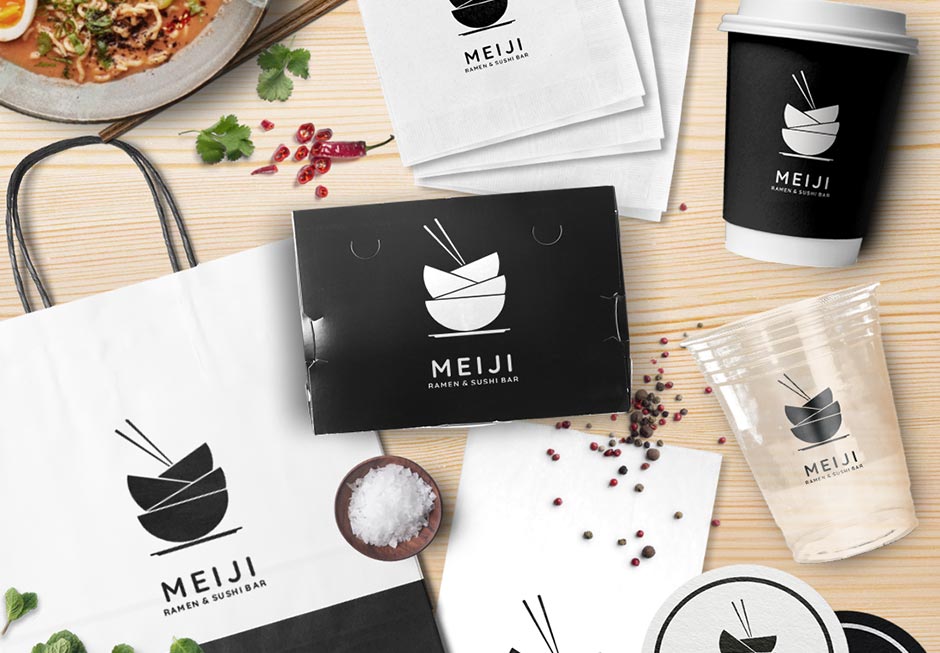

The world of packaging printing is rapidly evolving as businesses face increasing demands for compliance with international standards. As products cross borders, companies must navigate a complex web of rules governing everything from labeling to material safety. Understanding the impact of global regulations on packaging printing is essential for brands aiming to maintain market access and avoid costly penalties.
Regulatory bodies across continents are introducing new requirements for sustainability, traceability, and consumer safety. These changes affect not only the design and messaging on packaging but also the choice of inks, substrates, and printing processes. Staying compliant is no longer optional—it’s a critical part of doing business in today’s interconnected markets.
For businesses seeking to innovate while meeting regulatory demands, exploring how to incorporate augmented reality in packaging can offer a competitive edge, provided these new technologies also adhere to compliance standards.
Key Regulatory Drivers Shaping Packaging Printing
The landscape of packaging compliance is shaped by a variety of international and regional regulations. These rules are designed to protect consumers, promote sustainability, and ensure product authenticity. Some of the most influential drivers include:
- Food Safety Standards: Regulations such as the EU’s Food Contact Materials framework and the US FDA’s guidelines dictate what materials and inks can safely be used in packaging that comes into contact with food.
- Environmental Directives: Laws like the European Union’s Packaging and Packaging Waste Directive require manufacturers to reduce waste, use recyclable materials, and minimize the use of hazardous substances.
- Labeling and Traceability: Requirements for clear labeling, batch codes, and traceability systems are becoming stricter, especially for pharmaceuticals and food products.
- Consumer Information: Many countries now mandate the inclusion of nutritional facts, allergen warnings, and recycling instructions on packaging, all of which must be clearly printed and legible.
How International Standards Affect Printing Processes
Adhering to global packaging rules means more than just updating artwork. It often requires changes to the entire printing workflow. For example, regulations may specify the use of low-migration inks or demand proof of ink safety for food packaging. This can impact ink selection, curing methods, and even the type of press used.
In some cases, compliance involves investing in new technologies. Digital printing, for instance, offers flexibility for variable data and batch coding, which is essential for traceability. As highlighted in this overview of digital and flexible packaging trends, many printers are expanding their capabilities to keep up with evolving requirements.

Challenges in Meeting Global Packaging Compliance
Navigating the impact of global regulations on packaging printing can be daunting, especially for companies operating in multiple markets. Some common challenges include:
- Frequent Regulatory Updates: Laws and standards change regularly, requiring constant monitoring and adaptation.
- Complex Supply Chains: Ensuring compliance across suppliers, converters, and printers adds layers of complexity.
- Language and Localization: Multilingual labeling and region-specific requirements increase the risk of errors in print production.
- Cost Pressures: Upgrading equipment or switching to compliant materials can increase production costs, especially for smaller businesses.
Companies are also under pressure to reduce their environmental impact. For those interested in sustainable solutions, learning about what is carbon neutral printing can be a valuable step toward compliance and brand differentiation.
Best Practices for Achieving and Maintaining Compliance
To successfully manage packaging printing compliance, businesses should adopt a proactive approach. Here are some proven strategies:
- Stay Informed: Assign responsibility for tracking regulatory changes in all target markets. Industry associations and government websites are valuable resources.
- Collaborate with Suppliers: Work closely with material and ink suppliers to ensure all components meet the latest standards.
- Invest in Technology: Modern printing equipment, such as digital presses and automated inspection systems, can help ensure accuracy and traceability.
- Document Everything: Maintain thorough records of compliance certifications, test results, and supplier declarations.
- Train Your Team: Regular training for design, production, and quality assurance teams reduces the risk of non-compliance.
Emerging Trends in Sustainable and Compliant Packaging
As sustainability becomes a core concern, regulations are increasingly focused on environmental impact. This shift is driving innovation in materials, printing methods, and design. Companies are exploring recyclable substrates, compostable films, and water-based inks to meet both regulatory and consumer expectations.
The move toward a circular economy is influencing packaging strategies worldwide. Brands interested in this approach can benefit from resources like how to design packaging for the circular economy, which outlines practical steps for creating compliant and eco-friendly packaging.
Another area of growth is the integration of smart technologies, such as QR codes and NFC tags, which support traceability and consumer engagement. However, these features must also comply with privacy and labeling regulations in each market.
Frequently Asked Questions
What are the main international regulations affecting packaging printing?
Key regulations include the European Union’s Packaging and Packaging Waste Directive, the US FDA’s food contact material guidelines, and various country-specific labeling and environmental standards. These rules govern material safety, labeling accuracy, and environmental impact.
How can companies ensure their packaging is compliant in multiple countries?
Businesses should monitor regulatory updates, collaborate with suppliers, and invest in flexible printing technologies. Maintaining detailed documentation and training staff on compliance requirements are also essential steps.
What role does sustainability play in packaging compliance?
Sustainability is increasingly embedded in regulations, with many countries mandating recyclable or compostable packaging and limiting hazardous substances. Adopting eco-friendly materials and processes helps companies meet both legal and consumer expectations.
Conclusion
The influence of international and regional rules on packaging printing is profound and ever-changing. Companies that proactively adapt to these requirements can protect their market access, enhance their reputation, and contribute to a more sustainable future. By staying informed and investing in compliance, brands can turn regulatory challenges into opportunities for innovation and growth.
For further insights on reducing environmental impact during production, explore these tips for reducing waste in the printing process or learn about what is nanotechnology in food packaging for advanced compliance solutions.