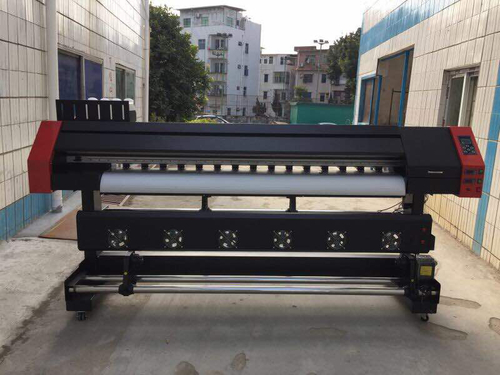

When investing in outdoor printing solutions, one of the most common concerns is how well the colors and graphics will hold up when exposed to direct sunlight. Eco solvent ink has become a popular choice for banners, vehicle wraps, and signage due to its lower environmental impact and vibrant results. But is eco solvent ink fade resistant when used in sun-exposed environments? Understanding the durability of these inks is essential for anyone looking to maximize the lifespan and visual appeal of their printed materials.
In this article, we’ll explore how eco solvent inks perform under sunlight, what factors influence their longevity, and how they compare to other ink types. If you’re involved in packaging or large-format printing, you might also be interested in what is digital prototyping for packaging to further optimize your production process.
Understanding Eco Solvent Ink and Its Sunlight Resistance
Eco solvent inks are formulated using mild, biodegradable solvents. Unlike traditional solvent inks, they emit fewer volatile organic compounds (VOCs), making them safer for both operators and the environment. These inks are widely used for outdoor graphics because they adhere well to a variety of substrates, including vinyl, banners, and self-adhesive films.
The question of eco solvent ink sunlight durability is crucial for outdoor applications. These inks are engineered to resist fading caused by ultraviolet (UV) radiation. Manufacturers typically add UV stabilizers and pigments that are less prone to photodegradation, helping the prints maintain their vibrancy for extended periods.
How Sunlight Affects Printed Graphics
Sunlight, especially its UV component, is the primary factor that leads to fading in printed materials. When prints are exposed to sunlight for long periods, the energy from UV rays breaks down the chemical bonds in the ink pigments. This process, known as photodegradation, results in color loss and reduced image quality.
The fade resistance of any ink, including eco solvent types, depends on several variables:
- Ink formulation: The quality of pigments and UV stabilizers used.
- Substrate compatibility: How well the ink bonds to the printing material.
- Environmental exposure: Intensity and duration of sunlight, humidity, and pollution.
- Protective coatings: Use of laminates or varnishes can extend print life.
Eco Solvent Ink vs. Other Ink Types for Outdoor Use
To better understand eco solvent ink fade resistance, it’s helpful to compare it with other common ink technologies:
- Traditional solvent inks: Known for their high durability and fade resistance, but they emit more VOCs and are less environmentally friendly.
- Latex inks: Water-based and eco-friendly, latex inks offer good outdoor durability but may not always match the longevity of high-quality eco solvent inks.
- Dye-based inks: Typically used for indoor applications, these inks are not recommended for outdoor use due to poor UV resistance.
- Pigment-based inks: Offer excellent fade resistance but may not be compatible with all outdoor substrates.
Eco solvent inks strike a balance between environmental safety and outdoor durability, making them a preferred choice for many signage and advertising professionals.
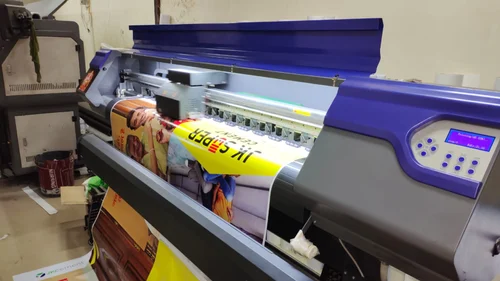
Factors That Influence Fade Resistance in Sunlight
The actual lifespan of an outdoor print using eco solvent ink can vary widely. Here are some key factors that determine how well these inks resist fading:
1. Quality of Ink and Pigments
Not all eco solvent inks are created equal. Higher-quality brands use pigments specifically designed for outdoor use, with enhanced UV stability. Cheaper inks may use dyes or lower-grade pigments that fade more quickly.
2. Substrate Selection
The type of material being printed on can affect how well the ink adheres and how long it lasts. For example, vinyl banners and vehicle wraps are often paired with eco solvent inks for maximum outdoor durability.
3. Use of Laminates and Protective Coatings
Applying a laminate or clear coating over the printed surface can significantly extend the life of outdoor graphics. These layers act as a barrier to UV rays, moisture, and abrasion, helping to preserve both color and clarity.
4. Environmental Conditions
Locations with intense sunlight, such as tropical or high-altitude regions, will see faster fading compared to areas with less UV exposure. Pollution, rain, and temperature fluctuations can also impact the longevity of outdoor prints.
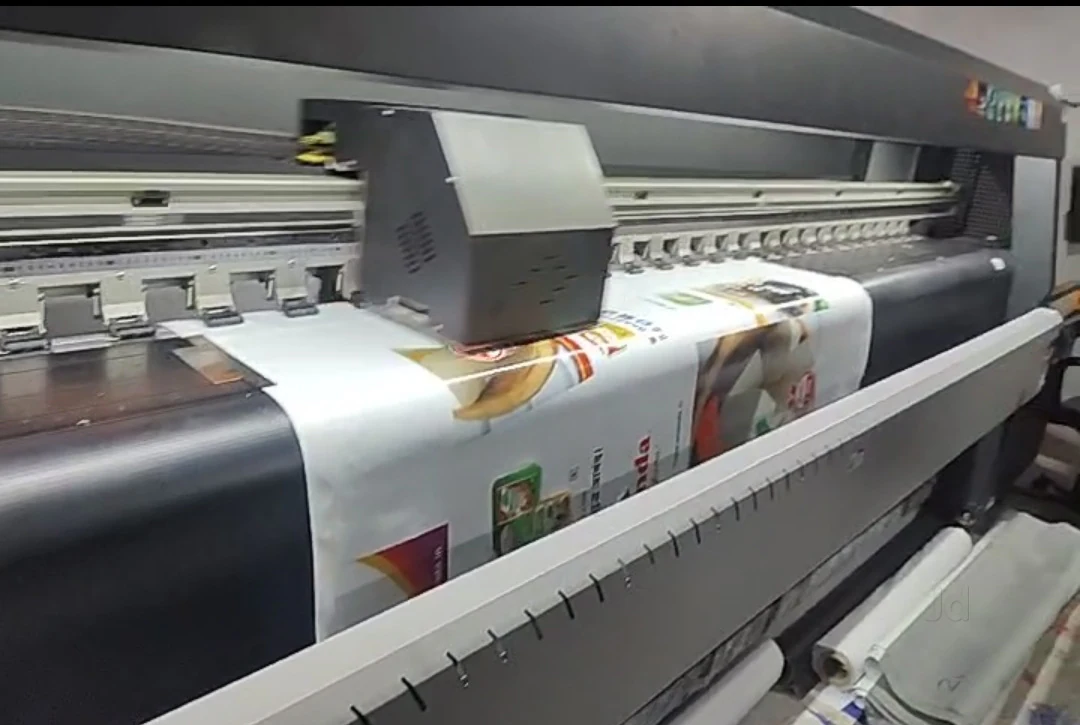
Expected Lifespan of Eco Solvent Prints Outdoors
With proper materials and installation, outdoor prints made with eco solvent inks can typically last from 1.5 to 3 years without significant fading. In some cases, especially when protective laminates are used, the lifespan can extend up to 5 years. However, this depends on the factors discussed above and the specific environmental conditions.
Regular maintenance, such as gentle cleaning and avoiding harsh chemicals, can also help preserve the vibrancy of outdoor graphics. For more advice on keeping your printing equipment in top shape, check out these maintenance tips for smoother printer operations and performance.
Best Practices to Maximize Sunlight Resistance
- Choose high-quality eco solvent inks from reputable manufacturers.
- Select outdoor-rated substrates that are compatible with eco solvent formulations.
- Apply UV-protective laminates or coatings whenever possible.
- Install prints in locations with partial shade or reduced sun exposure if feasible.
- Perform regular inspections and maintenance to catch early signs of fading or damage.
By following these practices, you can ensure that your outdoor prints remain vibrant and effective for as long as possible.
Related Innovations in Print Durability
The printing industry continues to develop new technologies to further enhance the longevity and environmental safety of outdoor graphics. For example, cloud-based color management helps brands maintain consistent color quality across global campaigns, while electron beam curing offers advanced curing methods for even greater durability.
Frequently Asked Questions
How long does eco solvent ink last outdoors before fading?
Outdoor prints using eco solvent inks generally last between 1.5 to 3 years before noticeable fading occurs. With UV-protective laminates and optimal conditions, this period can extend up to 5 years.
Can eco solvent prints be used for vehicle wraps and billboards?
Yes, eco solvent inks are widely used for vehicle wraps, billboards, and other outdoor signage due to their strong adhesion, flexibility, and resistance to weathering.
What can I do to improve the fade resistance of my outdoor prints?
To maximize fade resistance, use high-quality inks and substrates, apply UV-protective laminates, and install prints in locations with limited direct sunlight when possible. Regular cleaning and maintenance also play a role in preserving print quality.
Conclusion
For those seeking a balance between environmental responsibility and outdoor durability, eco solvent inks offer a compelling solution. While no ink is completely immune to the effects of sunlight, these formulations are designed to provide robust fade resistance and long-lasting color. By selecting the right materials and taking steps to protect your prints, you can ensure that your graphics remain eye-catching and effective for years to come.
Interested in more print technology insights? Explore topics like what is holographic lamination or discover how to design packaging for Gen Z consumers for the latest trends in print and packaging.