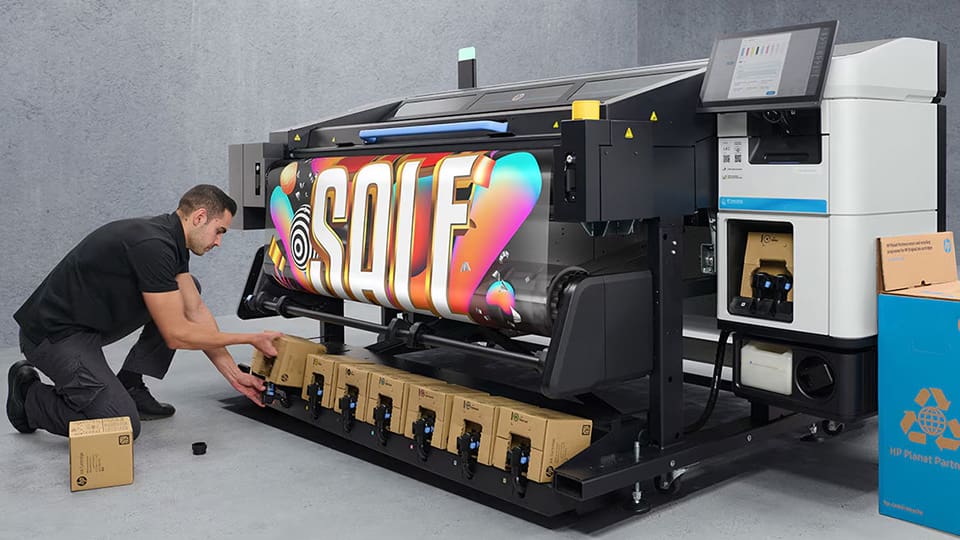

Latex printing has become a preferred technology for producing vibrant graphics, signage, and packaging. However, even with its many advantages, print professionals sometimes encounter ink pooling problems in latex printing. When ink collects or pools on the substrate, it can lead to smudging, color inconsistencies, and wasted materials. Understanding why these issues occur and how to address them is essential for anyone aiming to achieve high-quality, reliable results with latex printers.
This article explores the causes of ink pooling, practical ways to prevent it, and best practices for maintaining consistent print quality. Whether you’re running a busy print shop or managing in-house production, these insights will help you minimize downtime and reduce costly reprints. For those interested in related innovations, you can also learn about what is digital prototyping for packaging and how it’s speeding up production cycles in the industry.
Understanding Ink Pooling in Latex Printing
Ink pooling refers to the accumulation of ink droplets on the surface of the print media, rather than being absorbed or dried evenly. This phenomenon is particularly noticeable on non-porous or poorly prepared substrates. In latex printing, the water-based inks are designed to sit atop the media before the latex polymer encapsulates the pigment and heat cures the print. If the process is disrupted, pooling can occur, resulting in streaks, blotches, or uneven color density.
Common Causes of Pooling Issues
Several factors contribute to pooling problems with latex ink. Identifying these root causes is the first step toward consistent, professional results.
- Incorrect Media Selection: Using substrates not optimized for latex inks can prevent proper adhesion and absorption, increasing the risk of pooling.
- Excessive Ink Laydown: Over-saturating the media with ink, often due to aggressive color profiles or high-density settings, overwhelms the drying process.
- Inadequate Drying or Curing: If the printer’s curing temperature is too low or the speed is too high, the ink may not dry before the print exits the machine.
- Poor Environmental Conditions: High humidity or low temperatures in the print room can slow evaporation and disrupt ink curing.
- Dirty or Damaged Printheads: Printheads that are clogged or misaligned can deposit uneven amounts of ink, leading to pooling and banding.

How to Prevent Ink Pooling on Latex Printers
Preventing ink pooling problems in latex printing involves a combination of proper printer setup, careful material selection, and environmental control. Here are proven strategies to help you avoid these issues:
Choose Compatible Media
Always select substrates specifically rated for latex ink technology. Manufacturers provide media guides that list compatible materials. Using certified substrates ensures optimal ink adhesion and reduces the risk of pooling or smudging.
Optimize Ink Settings and Profiles
Adjust your printer’s color profiles to match the selected media. Avoid using generic or overly saturated profiles, as these can lay down more ink than the substrate can handle. Custom profiles, especially those created with a monitor calibrator, can help you achieve accurate color without excess ink.
Maintain Proper Drying and Curing
Set the curing temperature and airflow according to the media manufacturer’s recommendations. Slower print speeds may be necessary for heavy ink coverage or thick substrates. Regularly check that the curing unit is functioning correctly to ensure prints are fully dry before handling.
Control Print Environment
Maintain a stable print room environment with moderate humidity (ideally 40–60%) and temperatures within the printer’s specified range. Use dehumidifiers or air conditioning if necessary to prevent environmental factors from interfering with ink drying.
Regular Printer Maintenance
Clean printheads and perform routine maintenance as recommended by the printer manufacturer. Well-maintained printheads deliver consistent ink droplets, reducing the risk of pooling and other print defects.
Advanced Tips for Consistent Results
For print professionals seeking even greater reliability, consider these advanced approaches:
- Test Small Batches: Before running large jobs, print a small section to check for pooling or drying issues. Adjust settings as needed.
- Use Media Pre-Treatment: Some substrates benefit from a pre-coating or primer to improve ink adhesion and minimize pooling.
- Monitor Ink Levels: Low ink levels can cause inconsistent laydown, while overfilled cartridges may lead to leaks. Keep cartridges within recommended ranges.
- Leverage Manufacturer Resources: Printer manufacturers like HP offer extensive guides and support for latex printing technology best practices and troubleshooting.
Related Considerations in Modern Print Production
Addressing ink pooling is just one aspect of achieving top-tier print quality. For businesses looking to streamline their processes, exploring the benefits of cloud-based color management can further enhance color consistency across multiple devices and locations. Additionally, understanding new finishing techniques such as what is holographic lamination can help you deliver eye-catching results that stand out in a crowded market.
Frequently Asked Questions
What are the most common signs of ink pooling on latex prints?
The most noticeable signs include visible droplets or puddles of ink on the surface, streaks or blotches in solid color areas, and prints that feel tacky or wet even after exiting the printer. These issues often lead to smudging during handling or finishing.
Can using non-certified media cause pooling issues?
Yes, using substrates not designed for latex ink can significantly increase the risk of pooling. Certified media are engineered for optimal ink adhesion and drying, reducing the likelihood of these problems.
How does environmental control help prevent pooling?
Maintaining stable humidity and temperature in the print room ensures that water in the latex ink evaporates at the intended rate. This supports proper curing and prevents ink from sitting too long on the substrate, which can otherwise result in pooling.
Conclusion
Ink pooling remains a challenge in latex printing, but with the right approach, it can be effectively managed. By selecting compatible media, optimizing printer settings, maintaining equipment, and controlling the print environment, you can minimize pooling and produce consistently high-quality prints. For those interested in further innovations, exploring topics like what is electron beam curing in printing or learning how to design packaging for Gen Z consumers can provide additional ways to enhance your print operations and meet evolving market demands.