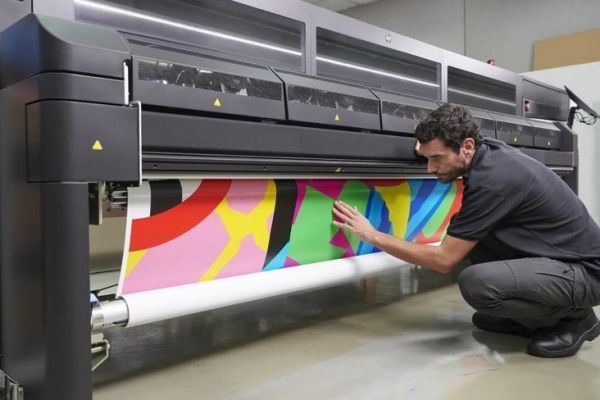

Backlit displays are a popular choice for signage, retail environments, and trade shows, thanks to their vibrant colors and ability to capture attention in both day and night settings. Achieving the best results for illuminated graphics requires specialized print methods. Latex printing for backlit displays has emerged as a leading solution, offering durability, eco-friendliness, and exceptional color vibrancy. This article explores the essential techniques, materials, and considerations for producing high-impact backlit graphics using latex technology.
Understanding the unique requirements of illuminated signage is crucial. Unlike standard prints, backlit graphics must maintain color consistency and clarity when lit from behind. This demands careful attention to ink density, media selection, and color management throughout the production process. For those interested in sustainable and high-quality printing, latex technology delivers impressive results while meeting environmental standards.
For readers interested in broader trends and innovations in print, exploring trends in wood-grain and natural textures on print provides additional insights into how materials and finishes are shaping the industry.
Why Choose Latex Printing for Illuminated Graphics?
Latex technology has become a preferred option for producing backlit signage due to several key advantages:
- Vivid Color Output: Latex inks deliver rich, saturated colors that remain consistent and vibrant when illuminated from behind.
- Eco-Friendly Formulation: Water-based latex inks are low in VOCs and odorless, making them safer for indoor environments and more sustainable than solvent-based alternatives.
- Durability: Prints are resistant to scratches, fading, and moisture, ensuring longevity even in demanding settings.
- Versatility: Compatible with a wide range of backlit media, including films, textiles, and specialty substrates.
These benefits make latex printing a smart choice for businesses seeking both quality and environmental responsibility in their illuminated signage projects.
Key Techniques for Latex Printing on Backlit Media
Producing high-quality backlit graphics with latex technology involves more than simply sending a file to the printer. The following techniques help ensure optimal results:
1. Selecting the Right Backlit Media
The choice of media plays a crucial role in the final appearance of illuminated graphics. Popular options include polyester films, translucent textiles, and specialty backlit papers. Look for materials specifically designed for backlighting, as they offer the right balance of opacity and diffusion to prevent hotspots and ensure even illumination.
Some latex printers are optimized for certain media types, so always consult your printer’s compatibility list before ordering supplies. For more information about printer selection and compatibility, see this comprehensive guide to latex printers.
2. Managing Ink Density and Layering
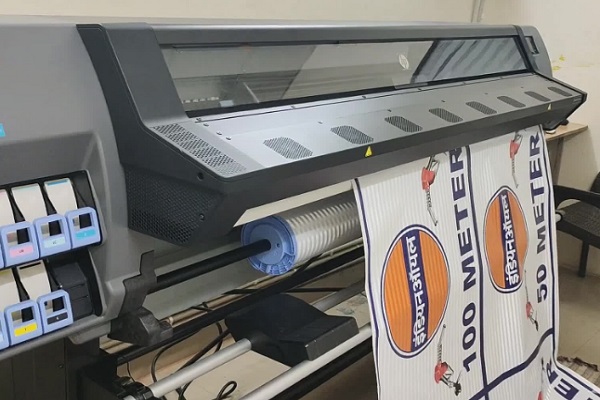
One of the most important aspects of latex printing for backlit displays is controlling ink density. Too little ink can result in washed-out colors when the graphic is lit, while too much can cause muddy tones or slow drying. Many RIP (Raster Image Processor) software solutions include backlit modes that automatically adjust ink laydown for optimal transmission and vibrancy.
For especially demanding applications, double-strike or multi-layer printing can be used. This involves printing the image twice or in multiple passes to build up density, ensuring deep blacks and vivid colors even under strong illumination.
3. Color Management and Calibration
Accurate color reproduction is essential for backlit graphics. Calibrate your monitor and printer regularly using a reliable calibration tool. Soft proofing—previewing how colors will appear when backlit—can help catch issues before printing. Many latex printers support ICC profiles tailored for specific backlit media, further improving color accuracy.
For a detailed look at color management tools, consider using a monitor calibrator to maintain consistency from screen to print.
Workflow Tips for Consistent Results
Consistency is key when producing illuminated signage. Here are some workflow tips to streamline production and maintain quality:
- Test Prints: Always run a small test print before committing to a full production run. This helps verify color, density, and alignment.
- Proper Drying: Allow prints to cure fully before handling or installing. Latex inks dry quickly, but thicker ink layers may require extra time.
- Edge Sealing: For outdoor or high-humidity applications, consider sealing the edges of the print to prevent moisture ingress and delamination.
- Lighting Simulation: View the print under the intended lighting conditions to ensure the final appearance matches expectations.
Common Applications for Latex-Printed Backlit Displays
Latex technology is used across a variety of illuminated signage applications, including:
- Retail lightboxes and window displays
- Airport and transit advertising panels
- Trade show booth graphics
- Menu boards and restaurant signage
- Architectural and decorative lighting features
Each application benefits from the durability, color vibrancy, and environmental advantages of latex-printed graphics.
Comparing Latex with Other Backlit Printing Methods
While latex is a top choice for illuminated graphics, it’s helpful to understand how it compares to other print technologies:
| Technology | Color Vibrancy | Durability | Eco-Friendliness | Suitable Media |
|---|---|---|---|---|
| Latex | Excellent | High | Very High | Wide Range |
| Solvent | Good | High | Low | Limited |
| UV-Curable | Very Good | Very High | Moderate | Rigid & Flexible |
| Dye-Sublimation | Excellent | Moderate | High | Textiles |
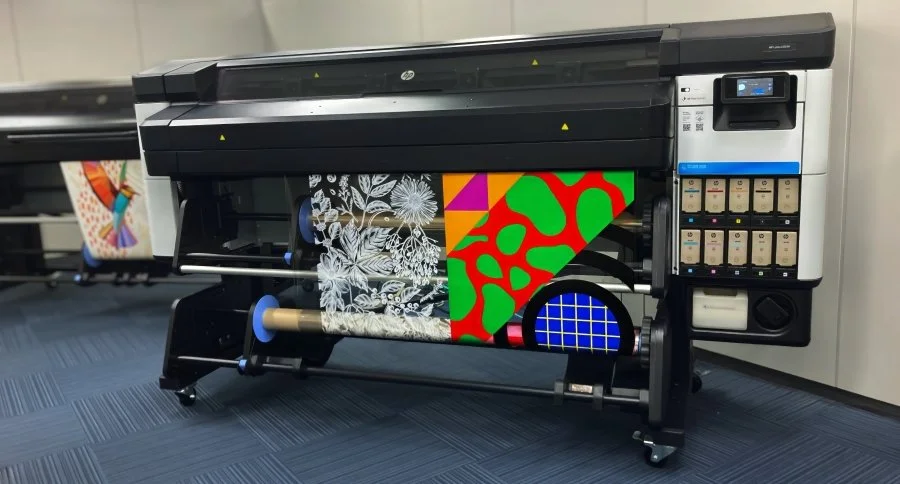
Latex stands out for its combination of color quality, environmental safety, and compatibility with both flexible and rigid backlit substrates. For those interested in solvent-free options, our guide to solvent-free printing processes offers further reading on sustainable print technologies.
Best Practices for Installation and Maintenance
Proper installation and care ensure that your backlit displays maintain their impact over time. Here are a few recommendations:
- Clean Surfaces: Before mounting, ensure frames and lightboxes are free of dust and debris.
- Avoid Overstretching: When installing textile or film graphics, avoid pulling too tightly, which can cause warping or uneven illumination.
- Regular Cleaning: Use a soft, damp cloth to clean the graphic surface. Avoid harsh chemicals that could damage the latex ink layer.
- Monitor Lighting: Replace aging bulbs or LEDs as needed to maintain consistent brightness and color temperature.
Frequently Asked Questions
What makes latex printing ideal for backlit signage?
Latex technology produces vibrant, consistent colors and is compatible with a variety of backlit materials. Its water-based formulation is environmentally friendly, and the prints are durable enough for both indoor and outdoor use.
How do I prevent color shifts when my display is illuminated?
Use media designed for backlighting, calibrate your printer and monitor, and utilize RIP software settings for backlit applications. Test prints and soft proofing help catch potential issues before full production.
Can latex-printed backlit graphics be used outdoors?
Yes, latex prints are water-resistant and UV-stable, making them suitable for outdoor illuminated signage. For best results, use media rated for outdoor durability and consider edge sealing for added protection.
Are there sustainable options for backlit display production?
Latex inks are water-based and low in VOCs, making them a sustainable choice. Many backlit media options are also recyclable or made from recycled content, supporting eco-friendly production practices.
For those looking to expand their knowledge of specialty printing, our article on what is sublimation printing for specialty packaging explores another innovative print process for unique applications.