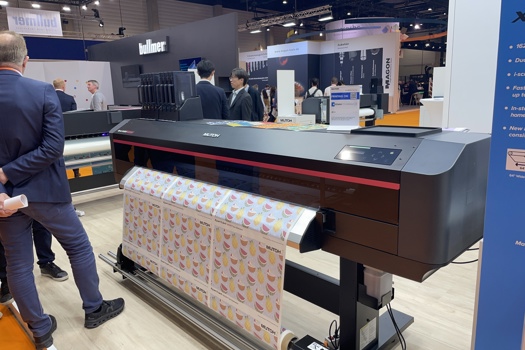

Understanding how eco solvent ink works is essential for anyone interested in modern printing technology, especially for those seeking environmentally friendlier solutions in signage, packaging, and graphic arts. Eco solvent inks have become increasingly popular due to their lower environmental impact, versatility, and ability to produce vibrant, durable prints on a variety of materials. This article provides a clear, step-by-step explanation of the process, highlights the benefits, and addresses common questions about these inks.
Before diving into the technical details, it’s helpful to see how eco solvent printing fits into the broader landscape of sustainable print technologies. For those exploring alternatives, our guide to solvent-free printing processes offers a comprehensive look at other eco-friendly options.
What Is Eco Solvent Ink?
Eco solvent ink is a type of ink used primarily in wide-format printing. Unlike traditional solvent inks, which contain harsh chemicals and produce strong odors, eco solvent inks use milder, biodegradable solvents. These inks are designed to be less toxic, emit fewer volatile organic compounds (VOCs), and are safer for both operators and the environment.
Eco solvent inks are commonly used for printing on vinyl, banners, vehicle wraps, and other outdoor signage. Their popularity stems from their ability to deliver high-quality, weather-resistant prints while minimizing environmental impact.
The Science Behind Eco Solvent Printing
To understand how eco solvent ink works, it’s important to look at the basic components and the printing process:
- Ink Composition: Eco solvent inks are made from pigments or dyes suspended in a biodegradable solvent. The solvent acts as a carrier, allowing the ink to flow smoothly through the printhead and adhere to non-porous surfaces.
- Printing Process: The ink is jetted onto the substrate (such as vinyl or coated paper) using a piezoelectric printhead. The solvent quickly evaporates, leaving the pigment or dye bonded to the surface.
- Curing and Drying: As the solvent evaporates, the ink dries and cures, resulting in a durable, water-resistant image. Some printers use gentle heat to speed up this process.
This process allows eco solvent inks to produce sharp, vibrant images that can withstand outdoor conditions for extended periods.
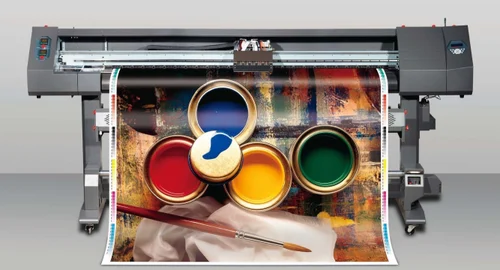
Key Advantages of Eco Solvent Ink Technology
Eco solvent printing offers several notable benefits compared to traditional solvent and aqueous ink systems:
- Lower Environmental Impact: The use of biodegradable solvents reduces harmful emissions, making these inks safer for both print operators and the environment.
- Versatility: Eco solvent inks adhere well to a wide range of substrates, including vinyl, canvas, and certain plastics, making them ideal for indoor and outdoor applications.
- Durability: Prints produced with eco solvent inks are resistant to water, UV light, and abrasion, ensuring long-lasting results even in challenging conditions.
- Reduced Odor: Milder solvents mean less odor during printing, improving the working environment.
- Cost-Effectiveness: While the initial investment in eco solvent printers may be higher, the long-term savings from reduced environmental compliance costs and lower ink consumption can be significant.
For those interested in the latest design possibilities, you may also want to explore trends in wood-grain and natural textures on print for creative inspiration using eco solvent technology.
Step-by-Step: The Eco Solvent Printing Process
Here’s a simplified breakdown of how the process works from start to finish:
- Artwork Preparation: The design is created using graphic software and prepared for printing.
- Media Loading: The chosen substrate (such as vinyl or banner material) is loaded into the printer.
- Ink Application: The printer jets eco solvent ink onto the substrate in precise patterns, building up the image layer by layer.
- Solvent Evaporation: As the ink lands on the surface, the solvent begins to evaporate, leaving the pigment or dye behind.
- Curing: The print may pass through a gentle heating system to accelerate drying and ensure proper adhesion.
- Finishing: Once dry, the print can be laminated, cut, or mounted as needed for its final application.
This process is efficient and produces prints that are ready for use in a wide range of environments.
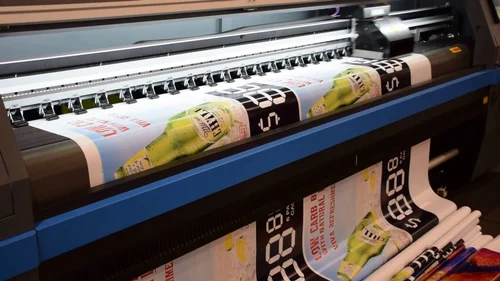
Comparing Eco Solvent Inks to Other Printing Methods
Eco solvent technology stands out for its balance between performance and sustainability. Here’s how it compares to other common ink types:
| Ink Type | Environmental Impact | Durability | Common Uses |
|---|---|---|---|
| Eco Solvent | Low VOCs, biodegradable solvents | High (outdoor & indoor) | Signage, wraps, banners |
| Traditional Solvent | High VOCs, toxic fumes | Very high | Outdoor signage |
| Aqueous | Water-based, low emissions | Moderate (mainly indoor) | Posters, fine art |
| UV-Curable | Low VOCs, instant curing | Very high | Rigid substrates, specialty items |
For specialty packaging and other unique applications, see our article on what is sublimation printing for specialty packaging to compare different print technologies.
Applications and Limitations
Eco solvent inks are widely used for:
- Outdoor signage and billboards
- Vehicle wraps and decals
- Window graphics
- Indoor displays and wall murals
However, there are some limitations. These inks are not always suitable for uncoated or highly absorbent materials, and while they are more eco-friendly than traditional solvents, they are not completely free of chemicals. For applications requiring zero solvents, consider exploring solvent-free printing processes.
Maintenance and Best Practices
To get the best results from eco solvent printing, follow these tips:
- Store inks in a cool, dry place and use within the recommended shelf life.
- Regularly clean printheads to prevent clogging and ensure consistent print quality.
- Choose compatible substrates to maximize adhesion and durability.
- Allow prints to cure fully before handling or laminating.
Proper maintenance not only extends the life of your printer but also ensures optimal performance and print longevity.
Further Reading and Resources
For a deeper dive into the chemistry and practical uses of eco solvent printing, check out this comprehensive overview of eco solvent ink and printers from a trusted industry resource.
Frequently Asked Questions
What makes eco solvent ink more environmentally friendly?
Eco solvent inks use biodegradable solvents that emit fewer VOCs compared to traditional solvent inks. This reduces air pollution and health risks for print operators, making them a safer and more sustainable choice for many printing applications.
Can eco solvent prints be used outdoors?
Yes, prints made with eco solvent inks are highly durable and resistant to water, UV light, and abrasion. This makes them ideal for outdoor signage, vehicle wraps, and other applications exposed to the elements.
Are there any substrates that are not compatible with eco solvent inks?
Eco solvent inks work best on coated or non-porous materials such as vinyl, banners, and certain plastics. They may not adhere well to uncoated paper or highly absorbent surfaces. Always check substrate compatibility before printing.
How do eco solvent inks compare to UV-curable inks?
While both offer durability and low VOC emissions, UV-curable inks cure instantly under UV light and can print on a wider range of rigid materials. Eco solvent inks are generally preferred for flexible media and applications where flexibility and outdoor durability are priorities.