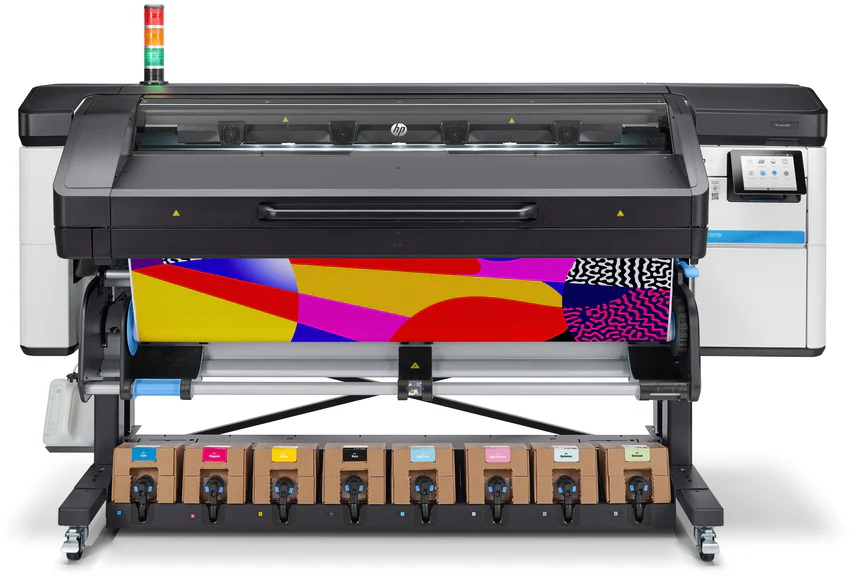

As the print industry evolves, the demand for environmentally friendly and health-conscious solutions has never been higher. Odor-free printing technology powered by water-based latex inks is leading this transformation, offering a safer, cleaner, and more sustainable alternative to traditional solvent-based methods. This approach is reshaping how businesses produce graphics, signage, packaging, and more—delivering vibrant results without the harsh chemical smells or emissions that once plagued print shops and end users alike.
For professionals seeking to stay ahead of the curve, understanding the benefits and applications of these innovative inks is crucial. Not only do they provide a more pleasant working environment, but they also align with growing consumer and regulatory expectations for greener production methods. If you’re interested in related advancements, you may also want to explore a practical guide to solvent-free printing processes for further insights into sustainable print technologies.
Understanding Water-Based Latex Inks
Water-based latex inks are a breakthrough in odor-free printing technology. Unlike solvent or eco-solvent inks, which rely on volatile organic compounds (VOCs) that produce strong odors and require extensive ventilation, latex inks use water as their primary carrier. This fundamental difference results in prints that are virtually odorless, making them ideal for sensitive environments such as hospitals, schools, restaurants, and retail spaces.
These inks contain pigment particles suspended in water along with latex polymers. During printing, the water evaporates, leaving behind a durable, flexible film of color that adheres to a wide range of substrates. The result is a print that is not only vibrant and long-lasting but also free from the lingering chemical smells associated with older technologies.
Key Benefits of Odorless Print Solutions
Switching to water-based latex inks brings a host of advantages for both print providers and their customers. Here are some of the most significant:
- Healthier Workspaces: By eliminating VOCs and hazardous air pollutants, these inks reduce the risk of headaches, respiratory issues, and allergic reactions for operators and visitors.
- Environmental Responsibility: Water-based formulations are less harmful to the environment, supporting sustainability goals and regulatory compliance.
- Immediate Use: Prints can be handled, shipped, or installed right away without waiting for odors to dissipate, streamlining production and installation timelines.
- Versatility: Latex inks adhere to a wide variety of materials, including paper, vinyl, textiles, canvas, wallcoverings, and more—expanding creative possibilities.
- Durability: Finished prints are scratch-resistant, waterproof, and UV-stable, making them suitable for both indoor and outdoor applications.
These benefits make odorless print solutions especially attractive for businesses looking to differentiate their offerings and provide added value to clients.
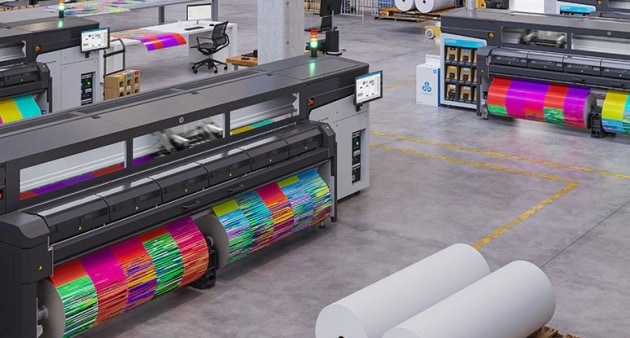
Applications and Industry Adoption
Latex ink technology is being rapidly adopted across a variety of sectors. Print service providers are leveraging these inks for:
- Wallcoverings and Murals: Odor-free output is essential for residential and commercial interiors, where air quality and comfort are priorities.
- Retail Graphics: In-store promotions, window displays, and point-of-sale materials benefit from vibrant, safe prints that can be installed during business hours.
- Healthcare and Education: Hospitals, clinics, and schools require graphics that do not introduce harmful emissions or odors.
- Event and Exhibition Displays: Quick turnaround and immediate usability are key for temporary installations.
- Packaging and Labels: Brands seeking to reduce their environmental impact are turning to latex inks for both primary and secondary packaging.
For those interested in the intersection of print and packaging design, the article on trends in wood-grain and natural textures on print provides a deeper look at how material choices and print technologies are shaping modern packaging aesthetics.
How Odor-Free Printing Technology Works
The science behind odorless print production lies in the unique composition of latex inks and the advanced curing systems used by modern printers. During the printing process, water in the ink evaporates quickly under controlled heat, allowing the latex polymers and pigments to form a solid, flexible film on the substrate. This process produces minimal emissions and leaves no residual smell on the finished product.
Leading manufacturers, such as HP, have developed sophisticated printheads and curing technologies that optimize ink laydown and drying. For a detailed overview of the technology, HP’s explanation of latex printing technology outlines the science and engineering behind these advancements.
Because the process is water-based, there is no need for special ventilation or air purification systems, further reducing operational costs and complexity for print shops.
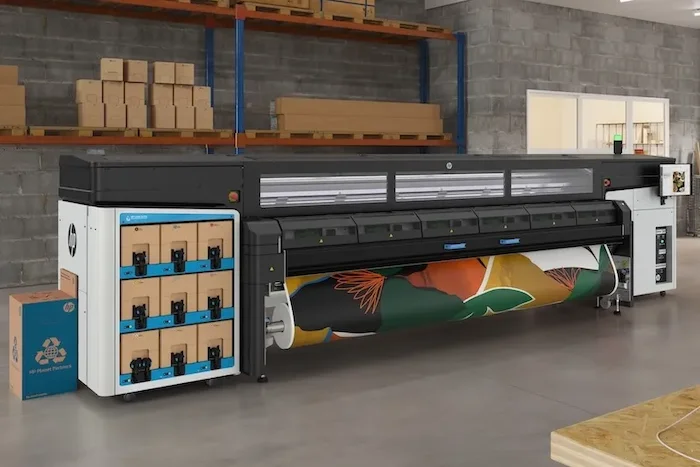
Comparing Latex Inks to Other Printing Methods
When evaluating print technologies, it’s important to consider how latex inks stack up against alternatives such as solvent, eco-solvent, and UV-curable inks:
| Feature | Latex Inks | Solvent/Eco-Solvent | UV-Curable |
|---|---|---|---|
| Odor | Virtually none | Strong chemical smell | Low to moderate |
| Environmental Impact | Low VOC, water-based | High VOC, hazardous | Low VOC, but uses photoinitiators |
| Substrate Compatibility | Wide range | Limited by ink chemistry | Very wide, including rigid |
| Durability | High (indoor/outdoor) | High (outdoor) | Very high |
| Handling Time | Immediate | Requires outgassing | Immediate |
Latex inks offer a compelling balance of safety, versatility, and performance, making them a preferred choice for businesses prioritizing both quality and sustainability.
Implementing Odorless Print Technology in Your Workflow
Adopting water-based latex ink systems is straightforward for most print shops. Modern printers are designed for ease of use, often featuring automated maintenance routines and intuitive interfaces. Here are some tips for a smooth transition:
- Evaluate your current print applications and substrate needs to ensure compatibility.
- Invest in color calibration tools to maintain consistent, accurate output—especially important when switching ink types.
- Train staff on new equipment and best practices for handling latex inks and substrates.
- Promote your odor-free, eco-friendly capabilities to attract new clients and differentiate your services.
For those producing high-end packaging or specialty graphics, you may also find value in learning how to achieve photographic quality on corrugated flutes, which can complement the benefits of latex technology in premium applications.
Frequently Asked Questions
Are water-based latex inks truly odorless?
Yes, latex inks are formulated to be virtually odor-free. Because they use water as the primary solvent and do not contain high levels of VOCs, the resulting prints do not emit the strong chemical smells associated with solvent-based inks. This makes them suitable for sensitive environments and immediate use.
What substrates can be used with latex ink printers?
Latex inks are highly versatile and can be used on a wide range of materials, including paper, vinyl, canvas, textiles, wallcoverings, and certain plastics. Always check manufacturer guidelines for compatibility with specialty substrates.
How do latex inks contribute to sustainability?
These inks are water-based, contain minimal hazardous chemicals, and produce less waste compared to traditional solvent inks. Many latex prints are also recyclable, and the technology supports green certifications for print providers aiming to reduce their environmental footprint.
Conclusion
Water-based latex inks are setting a new standard for clean, safe, and sustainable printing. By embracing odor-free printing technology, businesses can offer healthier workspaces, meet environmental goals, and deliver high-quality results across a broad spectrum of applications. As the industry continues to prioritize both performance and responsibility, latex ink solutions are poised to play a central role in the future of print.